
How Do You Convert Solar Energy Into Electricity
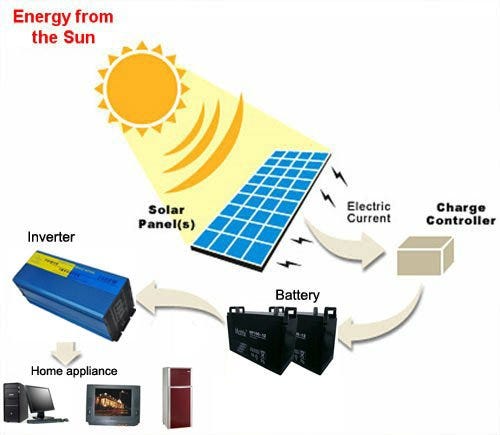
Ever glanced up at those sleek, dark panels glinting on rooftops and wondered about the magic they perform? We're talking solar panels, of course! They're not just trendy; they're little powerhouses converting the sun's rays into the electricity that keeps our phones charged, our lattes brewing, and our Netflix binges uninterrupted. But how exactly does this sun-to-socket sorcery work? Let's break it down in a way that even your tech-averse grandma will understand.
The Star of the Show: Photovoltaic Cells
At the heart of every solar panel is the photovoltaic (PV) cell. Think of it as the tiny workhorse doing the heavy lifting. These cells are typically made of silicon, a semiconductor material – yes, the same stuff that powers your computer! Silicon is like the Switzerland of materials; it can be tweaked to act as either a conductor or an insulator.
Fun Fact: Silicon is the second most abundant element in the Earth's crust, after oxygen. Talk about a readily available resource!
Must Read
Let There Be Light (and Electrons!)
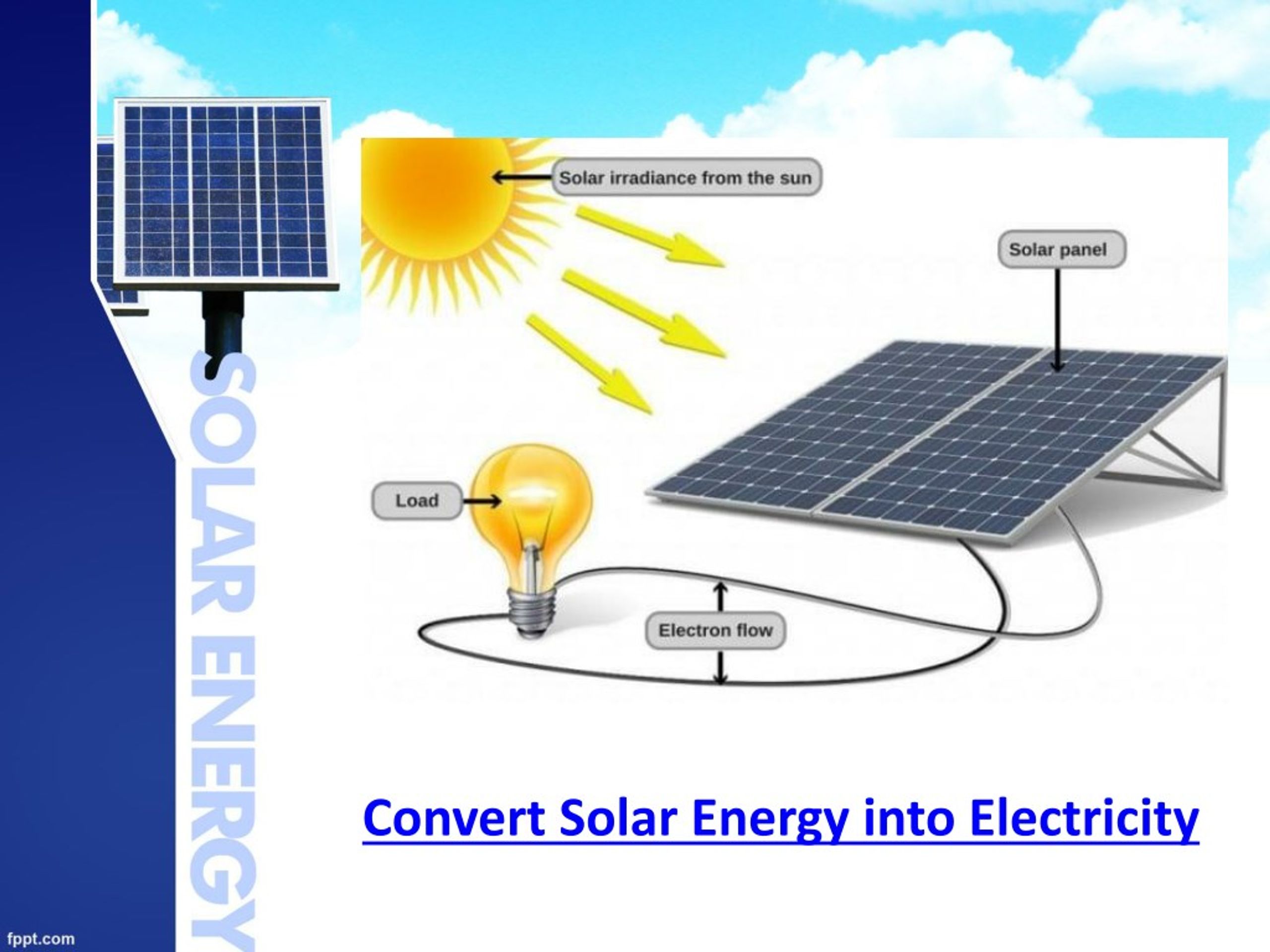
When sunlight, packed with tiny particles called photons, hits the PV cell, it's like a game of cosmic billiards. The photons knock electrons loose from the silicon atoms. These freed electrons, now buzzing with energy, are directed through an electrical circuit.
This movement of electrons is what we know as electricity! It’s the same flow of electrons that powers a lightbulb when you flip a switch – just generated in a much cooler, more sustainable way.
Think of it this way: Imagine a bouncy castle filled with kids (electrons). Sunlight is like tossing a bunch of balls (photons) into the castle. The balls bump into the kids, sending them scrambling (moving electrons) around. That's essentially what's happening inside a solar cell!
The Power of Positive and Negative
To create this directed flow of electrons, the silicon in PV cells is treated, or "doped," with other elements. One layer is doped with an element that adds extra electrons (making it negatively charged), and the other with an element that creates electron "holes" (making it positively charged). When sunlight hits, the electrons are drawn towards the positive layer, creating a one-way street for electricity.
These layers create an electrical field, kind of like a gentle slope that encourages the electrons to flow in the right direction. This directional flow is crucial for generating a consistent electrical current.
From Sunlight to Socket: The Whole Shebang
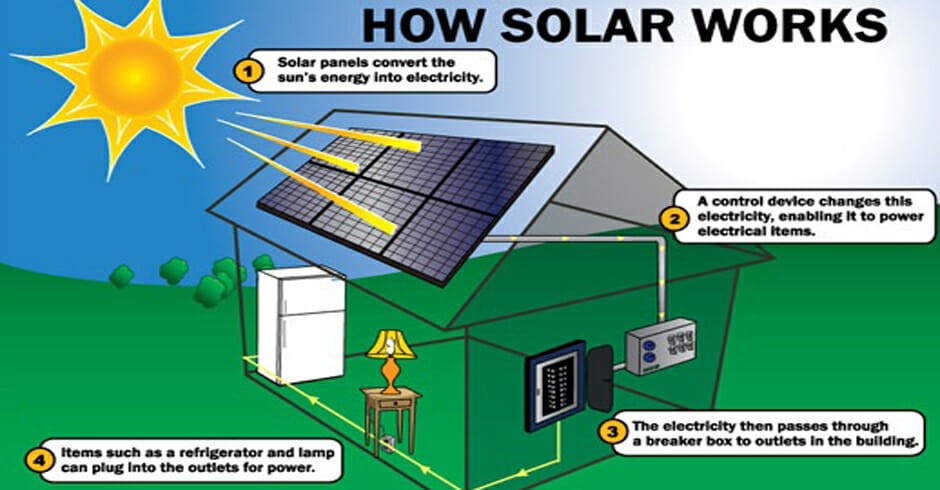
Okay, so individual PV cells don't generate a ton of power on their own. That's why they're combined into modules (what we commonly refer to as solar panels) to increase the voltage and current. These modules are then grouped together to form an even larger array, which you might see on large solar farms.

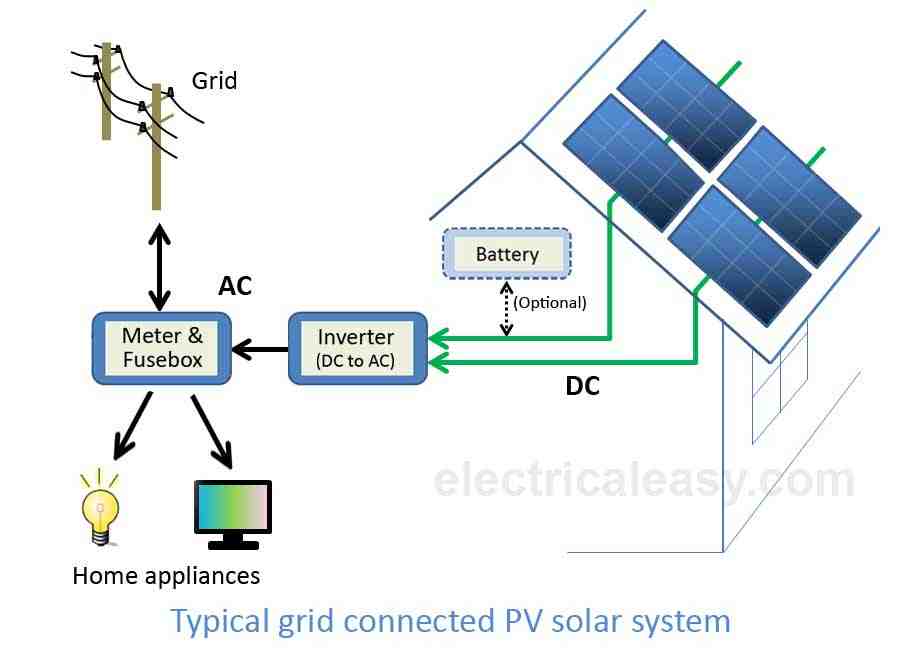
But that’s not the end of the line! The electricity generated by solar panels is direct current (DC), which isn't what our homes use. An inverter steps in to convert the DC electricity into alternating current (AC), the type of electricity that powers our appliances.
Practical Tip: If you're considering solar panels for your home, make sure you factor in the cost of the inverter as part of the overall system price. It's a critical component!
Why All the Fuss About Solar?
Beyond the cool tech factor, solar energy is a renewable and sustainable source of power. Unlike fossil fuels, the sun isn't going to run out anytime soon (hopefully!). This makes solar a powerful tool in combating climate change and reducing our reliance on traditional energy sources.
Cultural Moment: Remember Al Gore's "An Inconvenient Truth"? That film sparked a global conversation about climate change, and solar energy has emerged as a key solution in building a cleaner future.
A Sunny Reflection
So, the next time you see a solar panel, take a moment to appreciate the ingenious technology at work. It's a testament to human innovation and our ability to harness the power of the sun for a brighter, more sustainable future. Think about it – that laptop you're reading this on, or that phone in your pocket, could one day be powered entirely by sunshine thanks to these clever little cells. And that’s a pretty electrifying thought, isn't it?