How Do You Bypass Garage Door Sensors

Ever had your garage door stubbornly refuse to close, blinking its lights at you like it's trying to tell you a secret you don't understand? Or maybe you've experienced the sheer frustration of a power outage, leaving your car trapped inside while the world outside waits? That's where understanding a little bit about your garage door's safety sensors comes in handy. It’s not about grand hacking schemes, but rather about learning the simple tricks to navigate common hiccups. It's genuinely fun to demystify something that seems complex, turning a potential headache into a moment of "aha!"
For everyday folks, grasping how to temporarily bypass these sensors is incredibly useful. If you're a beginner homeowner, it's a fantastic first step into understanding your home's mechanics and gaining a sense of self-sufficiency. No more waiting for a technician for a simple sensor alignment! For families, this knowledge is a lifesaver during power outages or when a kid's bike accidentally blocks the path. You can quickly secure your home or get to where you need to go without stress. And if you're a bit of a hobbyist or a DIY enthusiast, thinking of your garage door as a system with solvable puzzles can be quite satisfying, adding another feather to your home maintenance cap.
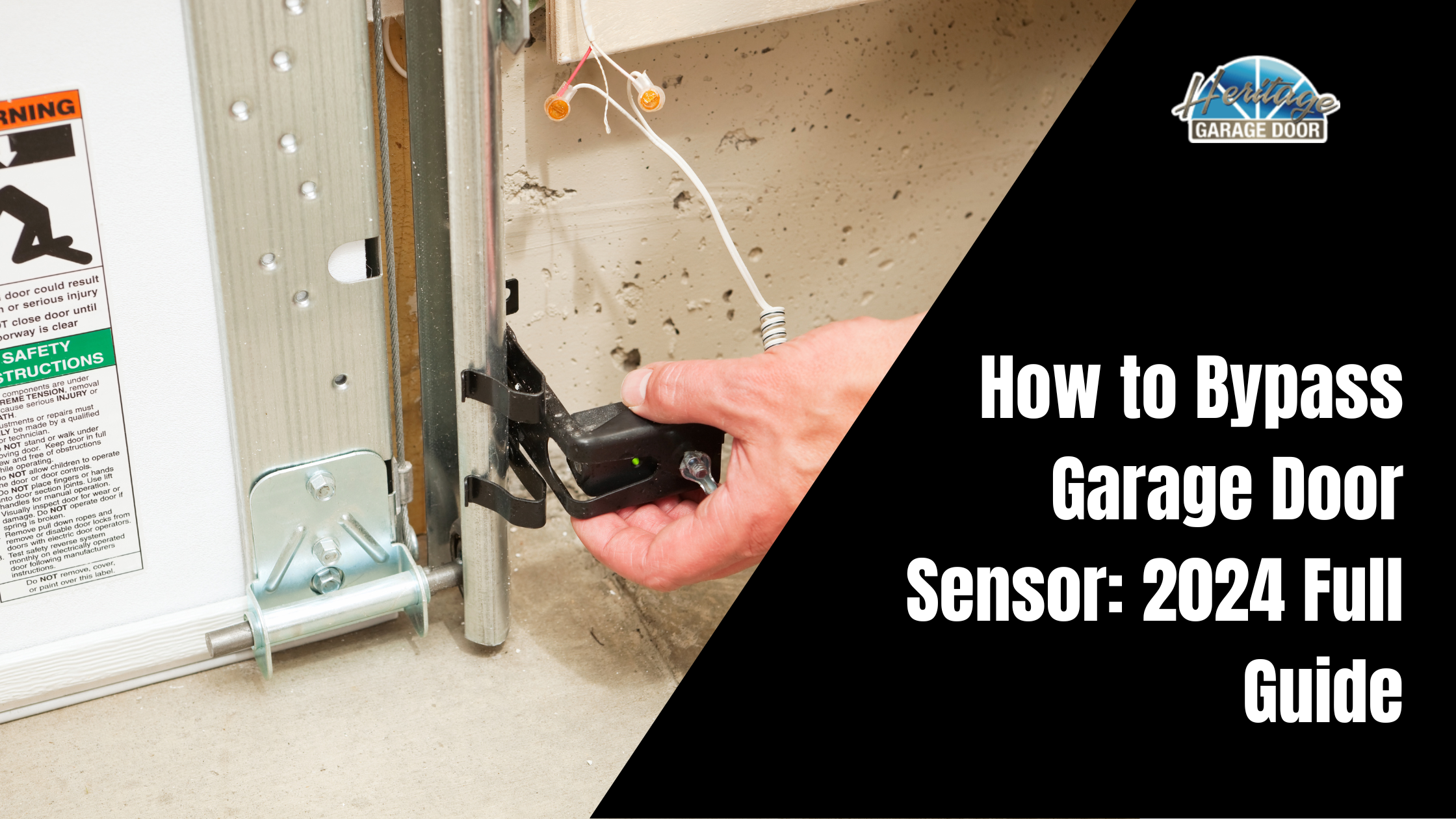
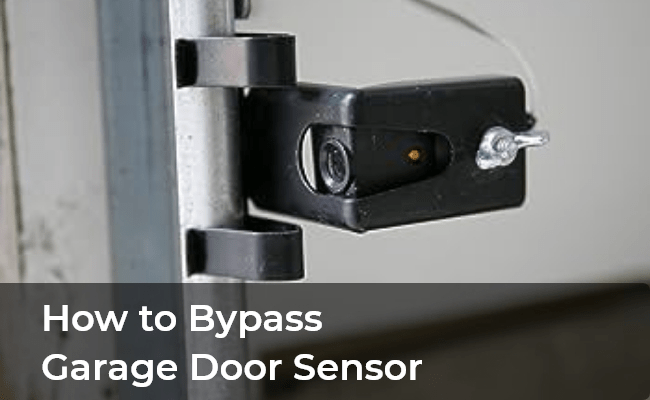
So, what exactly are we "bypassing" and why? Your garage door has two small boxes, typically located a few inches off the ground on either side of the door frame. These are your photo-eye safety sensors. They shoot an invisible beam of light across the door's path. If anything breaks that beam while the door is closing, it automatically reverses to prevent injury or damage. It's a brilliant safety feature! However, sometimes these sensors can be tricky. They might be misaligned, or a stray leaf, a garden tool, or even a spiderweb could be causing an obstruction. In these scenarios, the door thinks something is in the way and won't close, even if the path is clear. Or, during a power cut, the automatic system is down, and you need to operate it manually.
Must Read
Ready for some simple, practical tips to get started? First, locate your sensors. They usually have an indicator light – often a green light on one and a red light on the other, signifying they're aligned and communicating. If one is off or blinking, that's your clue! Second, check for obstructions. Clear away any debris, dirt, or dust from the sensor lenses. Give them a gentle wipe. Third, if they seem misaligned, gently nudge them until both indicator lights are solid again. This is often the quickest fix. For more stubborn situations, or during a power outage, the most common "bypass" method is using your manual release cord. This is typically a red handle hanging from the trolley assembly on the ceiling. Pull it to disconnect the door from the opener, allowing you to manually lift or lower the door. Crucially, if you just need to close the door past a temporary sensor issue, hold down the wall control button inside your garage. Most systems are designed that if you hold the button down continuously, it overrides the safety sensors and will force the door to close, providing you keep holding it until the door is fully shut. Remember, this is for temporary, legitimate overrides, not for disabling a crucial safety feature permanently.
Learning these simple tricks truly empowers you as a homeowner. It turns a moment of frustration into a simple, solvable challenge. The value isn't just in fixing a problem, but in the confidence and understanding you gain about your home. So next time your garage door acts up, you'll know exactly what to do, turning that "uh oh" into a satisfying "I got this!"