Ever wondered about the secret life of water when you live out in the peaceful countryside? There are no giant city sewer pipes reaching every charming farmhouse, right? So, what happens when you flush the toilet or drain the sink? Prepare to be amazed, because there's a whole world of quiet, hardworking magic happening right beneath your feet, thanks to the fabulous septic tank system!
Imagine a hidden hero, a true underground superstar, dedicated to keeping your home happy and healthy. That's your septic tank! It’s like having a miniature, personal water treatment plant, cleverly tucked away in your yard. What makes it so incredibly special and, dare we say, entertaining? It’s the way it embraces nature's own cleaning crew to do a seriously important job, all without a peep.
The Grand Entrance: Your Septic Tank
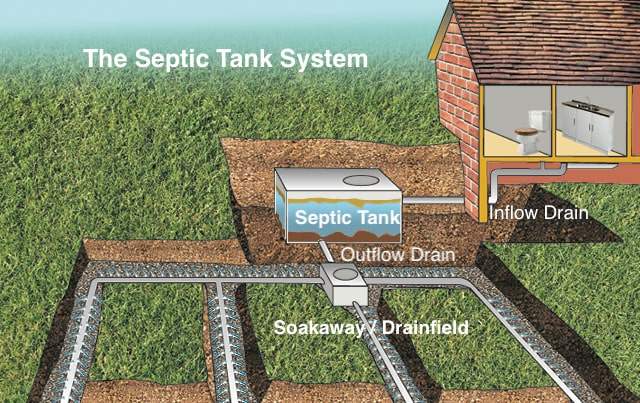
So, where does everything go first? All the wastewater from your home – bath, laundry, kitchen, and toilet – travels through one main pipe straight into a big, watertight box called the septic tank. This tank is usually buried safely underground. It’s the first act of our hidden show, and it’s where the real separation begins. Think of it as a quiet waiting room where everything gets a chance to settle down.
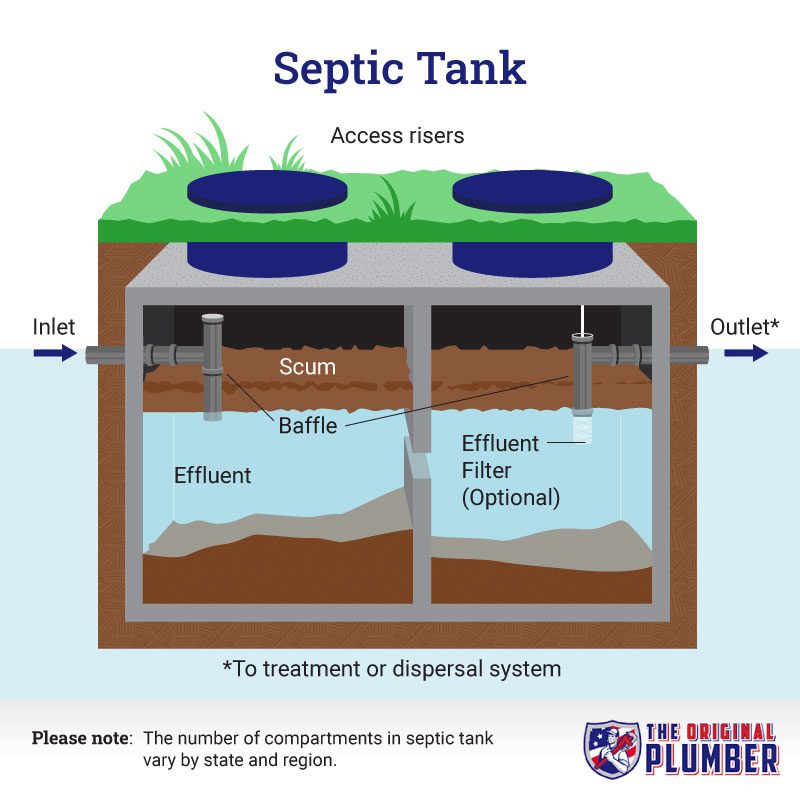
Here’s the first bit of genius: within the tank, things naturally separate into three distinct layers. It’s like a peaceful, organized liquid lasagna!
On top, you'll find the lighter stuff, like oils and grease, which forms a layer called the scum. At the bottom, the heavier solids settle down, becoming what we call sludge. And right in the middle? That's the main event – the liquid wastewater, or effluent, ready for its next adventure. This clever separation is why your septic tank is such a marvel; it’s a silent sorting machine, doing its work 24/7.
How Does A Septic Tank Work? | The Original Plumber & Septic
The Mighty Microbes: Nature's Little Workers
But here’s where it gets truly fascinating and, yes, a little bit entertaining. While the solids are settling, an incredible process is already underway in that middle layer of liquid. Billions of tiny, invisible helpers – bacteria – are busy having their own little party! These natural microbes are like miniature, dedicated janitors. They get to work, happily munching away at the organic matter in the wastewater, breaking it down into simpler, harmless substances.
It’s like a secret, bustling city of microscopic cleaners, all working together to purify the water. This natural digestion process is what makes septic tanks so eco-friendly and sustainable. They harness the power of nature to clean up after us. It’s a beautiful dance between engineering and biology, all happening out of sight. You might not see them, but these tiny organisms are the true unsung heroes of rural living, making the system work like a charm.
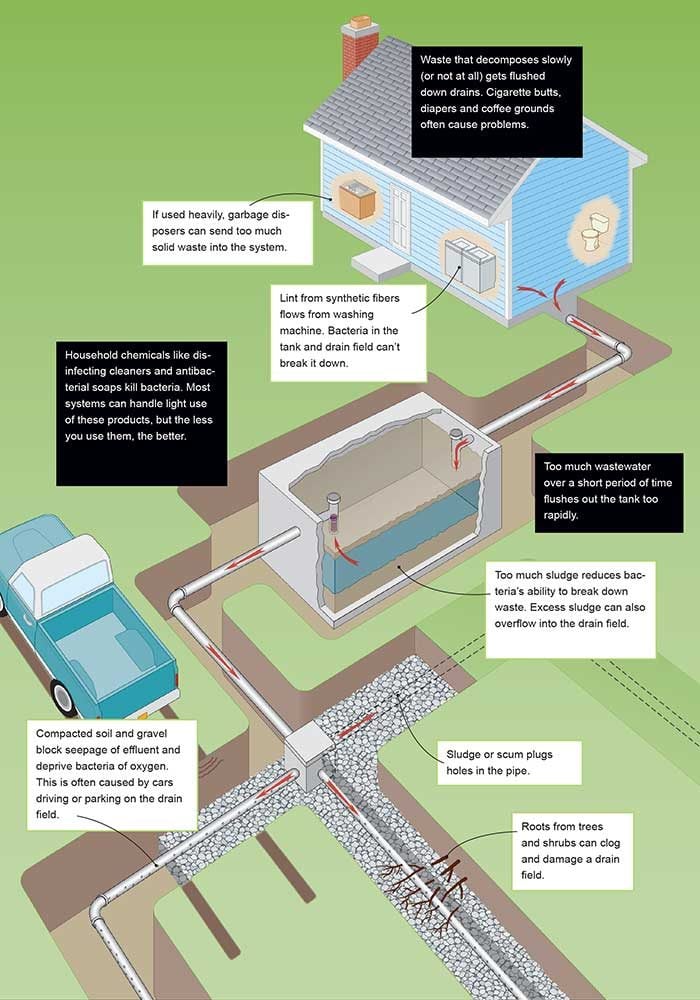
how do septic systems work in rural areas - craftingwithconcrete.com
The Drain Field: A Spa Treatment for Water
Once the bacteria have done their fantastic work in the tank, the partially treated liquid (our effluent) is ready for its grand finale. It leaves the tank and flows gently into another key part of the system: the drain field, also known as a leach field. This is a network of perforated pipes buried in gravel-filled trenches, usually spread out across a patch of your yard.
Think of the drain field as a luxurious spa retreat for the water, where it gets its final purification!
Key Facts for Septic Tanks in Rural Properties
As the effluent slowly trickles out of the pipes and seeps through the gravel and soil, the earth itself steps in for one last clean-up. The soil acts like a natural filter, removing any remaining impurities and disease-causing organisms. Mother Nature provides the finishing touches, making sure the water is clean and safe before it eventually rejoins the groundwater or evaporates harmlessly into the air. It’s a peaceful, continuous cycle of renewal, all powered by the very ground we walk on.
Why It's So Special and Inspiring
So, why is this whole septic tank business so entertaining and special? First, it offers incredible independence. Rural homeowners aren't tied to huge municipal sewer systems; they have their own self-contained, efficient water recycling plant. It's a testament to clever engineering and the incredible power of natural processes working in harmony.
Second, it’s a constant, silent miracle happening every single day. Out of sight, out of mind, this diligent system is safeguarding your environment and your health. It’s a subtle reminder of how we can live in sync with nature, even with our modern comforts. There’s a quiet beauty in understanding this hidden world beneath our feet, where waste is transformed and water is returned to the earth, cleaner and safer. It truly is a marvel worth appreciating and, perhaps, even inspiring us to learn more about the simple, profound systems that make our lives comfortable and sustainable. Next time you're in the countryside, take a moment to appreciate this unseen, tirelessly working wonder!