How Do Renewable And Nonrenewable Resources Differ

Okay, let's talk resources. You know, the stuff we use to, well, do stuff. We've got two main teams in this game: renewable and nonrenewable. Think of it like the tortoise and the hare, only with fewer cute outfits.
Renewable Resources: The Tortoises of Energy
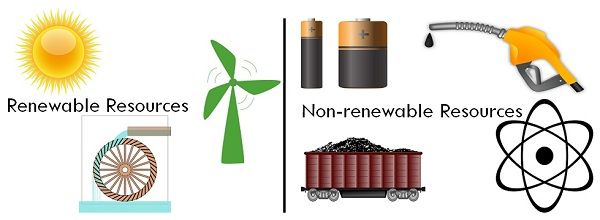
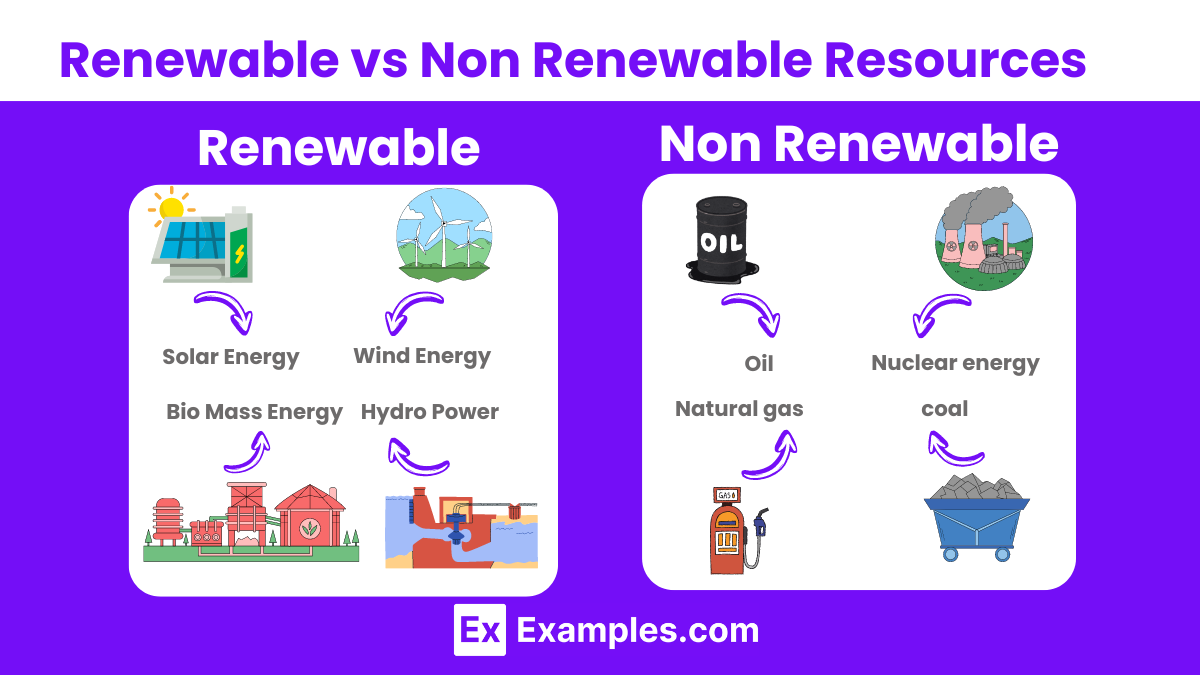
These are your solar panels, your wind turbines, your hydro dams (which, let's be honest, are kind of cool to look at). Renewable resources are like that friend who always says, "Don't worry, I've got you!" They replenish themselves. The sun shines every day (mostly), the wind blows (sometimes annoyingly so), and water keeps flowing (unless there's a drought, which, uh, let's not talk about that right now).
The big selling point? They're sustainable! We can use them without running out. Imagine that! It's like having an endless supply of cookies. Okay, maybe that's a bad example, because who wouldn't eat them all at once? But you get the idea.
Must Read
Now, for my unpopular opinion: I think wind turbines look kinda majestic. There, I said it. Sue me. Especially when they're silhouetted against a sunset. It's like, "Look at me, I'm generating clean energy and also I'm aesthetically pleasing!"
Of course, renewable energy isn't perfect. Solar power needs sunshine. Wind power needs wind. And sometimes, you know, nature is just not cooperating. Plus, setting up all those wind turbines and solar farms costs money. Big money. And that brings us to...

Nonrenewable Resources: The Hares (with a Caffeine Addiction)
These are your fossil fuels: coal, oil, and natural gas. They're formed over millions of years from dead plants and animals. So basically, we're burning dinosaur leftovers. Which, when you think about it, is pretty metal.
The thing about nonrenewable resources is that... well, they're nonrenewable. Once we use them up, that's it. Game over. No more dinosaur leftovers. It's like that limited-edition collectible you bought online. Once it's gone, it's gone (unless you want to pay a ridiculous price on eBay).
Now, I'm not going to lie. Nonrenewable resources have powered a lot of progress. They've fueled our cars, heated our homes, and kept the lights on. They're like that super-efficient friend who gets everything done but then crashes hard afterwards.
But here's the problem: burning fossil fuels releases greenhouse gases, which contribute to climate change. And nobody wants a hotter planet, except maybe lizards. And even they might complain eventually. It's like having a really, really messy roommate who never cleans up after themselves. Fun at first, but eventually you're going to have to deal with the consequences.
My other unpopular opinion? I kind of like the smell of gasoline. Just a little bit! Don't judge me! I know it's terrible for the environment, but there's something... nostalgic about it. Like the smell of a library, but, you know, with more hydrocarbons.
The Difference in a Nutshell
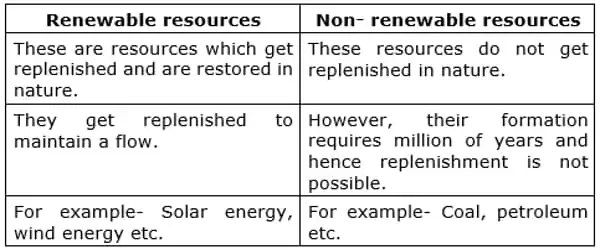
So, to sum it all up: renewable resources replenish themselves, while nonrenewable resources don't. Renewable is like a self-filling coffee mug; nonrenewable is like that last cup of coffee you cherish because you know there isn't any more. Choosing between them is a big decision. Renewable energy is the future, but nonrenewable energy is the present.
Ultimately, we need to find a way to transition to a more sustainable energy future. It's not going to be easy. But if we can figure out how to send people to space, surely we can figure out how to power our planet without burning all the dinosaur leftovers. Right?