
How Do I Know When To Pump My Septic Tank
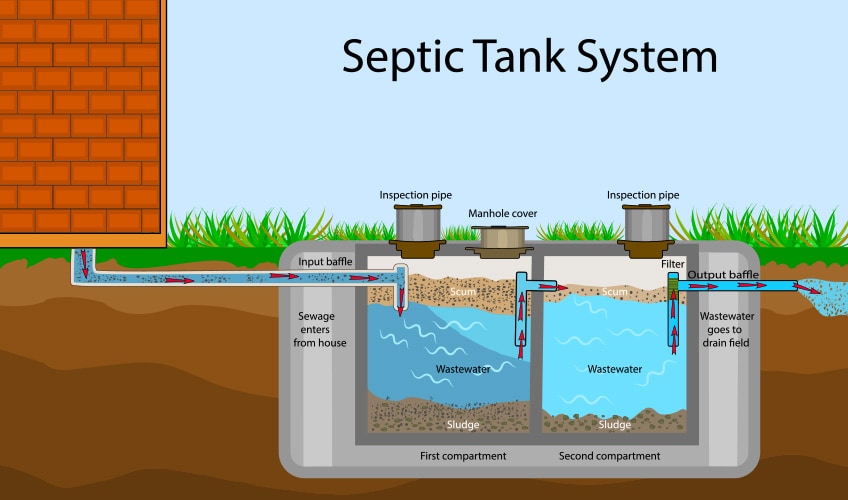
Living in a home with a septic tank is a bit like having a secret garden beneath your feet. It’s an unseen marvel, diligently working away, keeping things flowing smoothly behind the scenes. Most of the time, we barely give it a second thought, which is exactly how it should be.
But like any hidden hero, your septic system occasionally needs a little attention. The trick, of course, is knowing when that moment arrives. It’s not always a dramatic plea; sometimes, it’s just a gentle nudge, a quiet whisper from beneath the earth.
You might think it involves complex calculations or special sensors, but often, it's about tuning into the subtle language of your home. Your house, after all, has a way of communicating its needs if you just learn to listen.
Must Read
The Slow Dance of the Drains
One of the earliest signs often arrives in the bathroom or kitchen. Imagine your morning shower, usually a swift and refreshing cascade. Suddenly, the water seems a little... hesitant.
It’s not quite a standstill, but it’s definitely taking its sweet time to disappear down the drain. This gentle reluctance is often the first, quiet whisper from your septic system.
It’s like your bathtub is politely suggesting it needs a moment to think. Your faithful pipes are sending you a subtle signal. They are saying, "Hey, something's not quite right down here!"
This isn't just one drain acting up; pay attention if multiple drains are performing this slow, reluctant dance. It's a chorus of pipes, not just a solo performance. That's a strong indicator that the system as a whole is feeling the pressure.
The Mysterious Case of the Gurgling Pipes
Beyond slow drains, listen closely for any unusual sounds. Does your toilet sometimes make a strange gurgling noise after you flush?
It’s not the typical whoosh, but more like a bubbling symphony. It might sound like your plumbing is trying to tell you a secret, a little tale from the underground.

These peculiar gurgles are often caused by air being trapped or pushed back through your system. It's a sign that the water isn't flowing freely, encountering resistance where it shouldn't.
Think of it as your house clearing its throat, trying to get your attention. It’s a subtle, almost musical cue. Don't dismiss it as just "old house noises."
The Unmistakable Perfume of Nature (But Not the Good Kind)
Now, let's talk about a sign that's a little less subtle and a lot more, well, fragrant. If you start to notice unpleasant odors, either inside your home or outside near your septic drain field, your nose might be your best friend.
These aren't the usual "leftovers in the fridge" smells. This is a distinct, earthy, pungent aroma. It's the kind of smell that makes you instinctively wrinkle your nose.
Inside the house, these odors often waft up from drains. Outside, you might catch a whiff near the tank’s location or the drain field. It's your septic system saying, quite emphatically, "I'm full!"
It's the system's way of releasing built-up gases that should normally stay contained. This particular "perfume" is an urgent and undeniable call to action. It’s hard to ignore, and for good reason.
The Lawn's Lush Secret
This next sign is often quite surprising, even a little beautiful, in a strange way. Take a stroll across your yard, especially over the area where your septic drain field is located.

Are there patches of grass that are suddenly much greener and lusher than the rest of your lawn? Almost as if they’ve been secretly fertilized by a magical, invisible hand?
While a vibrant lawn is usually a joy, a mysteriously super-green patch over your septic area is often a red flag. It means nutrient-rich wastewater is rising too close to the surface.
It’s like your septic system is trying to grow its own little victory garden. The grass is happy, yes, but it indicates an issue below. Your yard is literally showing off a problem.
Similarly, keep an eye out for soggy or spongy areas in your lawn, even when there hasn't been much rain. This pooling of water is another clear indicator that your drain field is overwhelmed.
Your lawn can be a surprisingly eloquent messenger, telling you stories about what's happening underground.
The Unexpected Backup: A Wake-Up Call
This is the sign everyone dreads, the ultimate "aha!" moment when you know, without a shadow of a doubt, that it’s time. This is when wastewater backs up into your home, typically through toilets or drains.
It’s messy, it’s inconvenient, and it’s definitely not a pleasant surprise. But when it happens, there's no mistaking its message: your septic tank is beyond full, and the system has nowhere else to go.

While it’s an unpleasant experience, it serves as a powerful reminder of how vital your septic system is. It’s the home's way of screaming for help, a final, urgent plea.
Catching the earlier, more subtle signs can help you avoid this dramatic event entirely. It’s always better to schedule a pump before things reach this critical stage. Prevention is truly the best policy here.
Beyond the Obvious: The Intuitive Hum
Sometimes, it’s not just one clear sign, but a combination of subtle clues. It’s a feeling, an intuitive hum that something isn’t quite right with your home’s rhythm.
You might notice you’re plunging the toilet more often, or that the washing machine cycle seems to drain slower than usual. These small frustrations accumulate into a larger picture.
It's like your house is gently nudging you, collectively asking for a little care. Learning to listen to these quiet appeals builds a stronger, more harmonious relationship with your living space.
Caring for your septic system isn't just a chore; it’s an act of stewardship for your home. It keeps everything functioning smoothly, protecting your health and your property.
Think of it as checking in on a dear, hardworking friend. You want to make sure they’re doing okay, and that they’re not silently struggling under too much pressure.
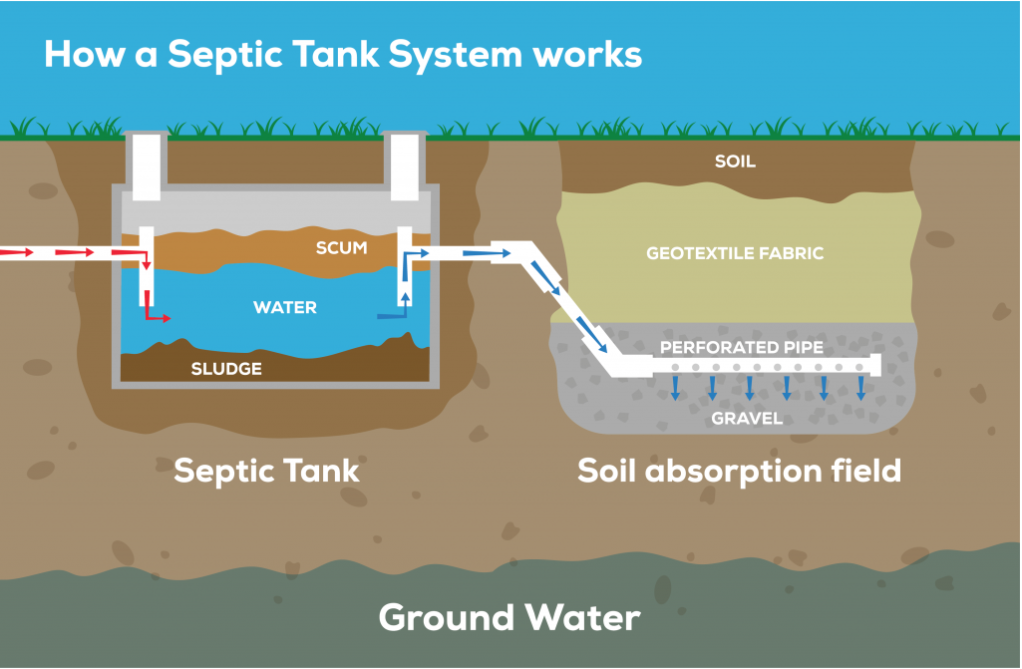
The Septic Whisperer: Calling in the Experts
When you observe these signs, it's time to call in the professionals. These are the unsung heroes, the "septic whisperers" who understand the language of underground systems.
They’ll come, assess the situation, and efficiently pump out your tank, giving your system a fresh start. It’s a relatively quick process that brings immense peace of mind.
Regular maintenance, often every three to five years depending on your household size and usage, is also key. Don't wait for the dramatic signs to appear.
Scheduling routine check-ups is like getting your car's oil changed; it prevents bigger, more expensive problems down the road. It's a proactive step towards a happy home.
Embrace the responsibility with a light heart, knowing you're keeping your home healthy and happy. It's all part of the unique adventure of homeownership, even the less glamorous parts.
So, listen to your home. Pay attention to its whispers, its gurgles, and its fragrant appeals. Your septic system is a vital, unseen part of your daily comfort, quietly working away for you.
A little observation and timely action can save you a lot of headache, ensuring that the secret garden beneath your feet continues to thrive, keeping your household flows perfectly smooth. It truly is a remarkable system.