
How Do I Know If My Septic Tank Is Full

Ever wondered if your home has a secret keeper, a silent guardian working tirelessly beneath your feet? It's not a secret agent, but your trusty septic tank! This unsung hero handles all your household wastewater, out of sight and usually out of mind. But like any hard worker, it eventually needs a break – or rather, a pump.
So, how do you know when your underground friend is reaching its limit? It's not going to send you a text message, unfortunately. Instead, it sends subtle (and sometimes not-so-subtle) signals, clues that it's time for some attention. Think of yourself as a septic detective, ready to uncover the truth!
Ignoring these signs can lead to bigger, messier, and much more expensive problems. Nobody wants a plumbing disaster on their hands, especially one involving a full septic tank. Let's embark on this important, if slightly gross, journey of discovery!
Must Read
The Mystery Unfurls: Indoor Clues
1. The Case of the Sluggish Drains
Have you noticed your sink taking a leisurely stroll to drain? Or maybe your shower water is giving your ankles a little hug for a bit too long? This slowness isn't just a sign of an impatient morning; it could be your septic tank's first whisper.
When the tank is full, the wastewater has nowhere to go. It backs up into your home's pipes. This pressure makes everything move at a snail's pace. It's like a traffic jam, but in your plumbing, where nothing can flow freely.
Don't confuse this with a simple clogged drain, though. If multiple drains across your house – say, your bathroom sink and your kitchen sink – are suddenly moving slowly, that's a much bigger clue. It points to a systemic issue, deeper than just hair in the shower trap.
A single slow drain might just need a plunger, but widespread sluggishness is your plumbing system telling you a larger story. Pay attention to how many drains are affected; it's often the key to cracking this case.
2. The Unwelcome Guest: Backups and Gurgles
This is perhaps the most dramatic and least pleasant sign. Imagine flushing your toilet, only to have it refuse to go down, or worse, have other things come up. Yes, we're talking about a sewage backup.
If water from flushing your toilet makes its way into your shower or bathtub, that's a huge red flag. It's a clear signal that the system is overloaded. The wastewater has nowhere else to go but back into your living space. This is a five-alarm emergency!
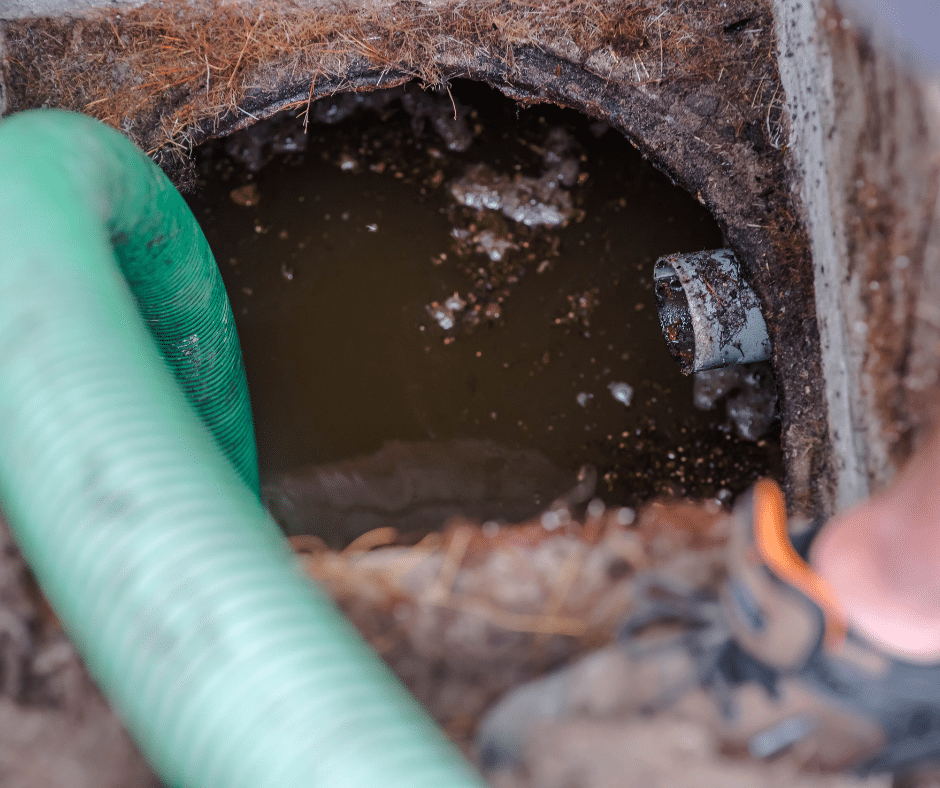
Listen closely, too. Do you hear strange gurgling sounds coming from your pipes when you flush a toilet or drain a sink? This bubbly orchestra is another classic sign. It means air is being pushed back up through the drains because the water can't flow freely downwards.
"A full septic tank doesn't just hold waste; it holds secrets, and those secrets often bubble up!"
These gurgling noises are like your pipes groaning under pressure. They are trying to tell you that something is blocking the natural flow. It's not a ghost in the plumbing; it's likely a very full septic tank.
3. The Odorous Offender: Unpleasant Smells
Your nose knows! One of the most telling signs of a full septic tank is an unmistakable odor. It’s not just a faint whiff; it's a potent, sewage-like smell. You might notice it lingering around your drains, especially in bathrooms or laundry rooms.
These smells are caused by gases escaping the overloaded system. With nowhere to go, they find the path of least resistance: up your pipes and into your home. It’s certainly not the kind of air freshener you want wafting through your living room!
Don't ignore these smells. They are more than just annoying; they're a warning. Your septic tank is definitely trying to tell you something important. It's practically shouting it from underground, hoping you'll pick up on the pungent message.
Sometimes, these odors might be subtle at first, only appearing when you run water or flush. But as the tank gets fuller, the smell becomes more persistent. Your home should smell fresh, not like a sewer.
Outdoor Investigations: Beyond the Walls
4. The Lush Lawn Mystery: Overly Green Grass
Picture this: a dry summer, brown grass everywhere, except for one mysteriously vibrant, lush green patch right over your septic tank or drain field. Looks great, right? Wrong! This seemingly beautiful spot is a major red flag.

That extra greenness comes from the nutrient-rich wastewater escaping the full tank. The grass there is getting a constant, unwelcome feast. It's like a secret garden, but for all the wrong reasons, indicating a leak or overflow.
Keep an eye out for this phenomenon. It’s Mother Nature’s way of highlighting a problem beneath the surface. While a green lawn is usually good, this kind of green indicates an unhappy septic system that needs immediate attention.
Compare the grass over your septic components to the rest of your yard. If it's noticeably greener and thicker, especially during dry spells, your septic tank is likely fertilizing your lawn with something you don't want.
5. The Puddle Puzzle: Standing Water
Is there standing water, or even muddy, boggy spots, in your yard where there shouldn't be? Especially if these spots are near your drain field, pay close attention. This is a very serious sign of a failing or overloaded septic system.
When the tank is too full, or the drain field is clogged, wastewater rises to the surface. It can create smelly puddles that just won't go away, even after sunny days. This isn't just a damp patch; it's sewage.
This kind of standing water is not only unpleasant but also a health hazard. It means your system is no longer treating waste properly, posing risks to your family and pets. If you see this, act immediately!
Look for areas that are unusually wet or squishy when you walk on them. These soggy spots, especially if they have an odor, are undeniable proof that your septic system has reached its absolute capacity.
6. The Alarm Bell: When Your System Talks
Some modern septic systems come equipped with fancy features, like alarms. If you have one of these, listen up! An alarm light or sound indicates a problem. This is the system's direct message to you, saying "Hey, I need help!"
Don't ignore these alarms. They are designed to give you an early warning before things get really bad. It's your septic tank's built-in SOS signal, a clear, unmistakable indicator of trouble. Check your system's manual to understand what different alarms mean.
These alarms are a gift, providing a clear, undeniable sign that something is amiss. They take the guesswork out of being a septic detective. When it beeps or glows, it's time to call a professional.
The Silent Signal: Time Tells All
7. The Calendar Clue: How Long Has It Been?
Sometimes, the biggest clue isn't a smell or a puddle, but simply the passage of time. Most septic tanks need to be pumped every three to five years. This timeframe depends on factors like household size and water usage, and the size of your tank.
Do you remember the last time your tank was pumped? If the answer is "not in a very long time" or "never," then chances are it's overdue. This is a silent but powerful indicator, often overlooked until a problem arises.
Keeping a record of your septic maintenance is key. Regular pumping prevents many of the nasty surprises we've discussed. It's like changing the oil in your car – essential for long-term health and preventing costly breakdowns.
"Prevention is always better than a sewage backup on a Sunday morning!"
A well-maintained septic system can last for decades, but neglect will shorten its lifespan significantly. Mark your calendar and schedule that pump-out before your septic tank starts sending you more urgent, less pleasant messages.

What's Next for the Septic Detective?
So, you've become a master septic detective and found some clues. What now? The most important step is to call a professional septic service. They have the tools and expertise to properly inspect your system and diagnose the issue.
Trying to DIY a full septic tank situation is not recommended. It can be messy, hazardous, and you might accidentally cause more damage to your system or even yourself. Trust the experts to handle this particular dirty work.
They can confirm if your tank is indeed full, or if there's another issue at play, like a clogged drain field. They can then pump your tank efficiently and safely, restoring your home's plumbing peace and order.
Don't delay! The sooner you call, the sooner your septic system can get back to its important job without further complications. A quick call now can save you a lot of headache and money later.
Your Septic Tank's Happy Ending
Knowing the signs of a full septic tank empowers you. You can act quickly to prevent small issues from turning into massive, stinky problems. It's all about being observant and proactive, listening to your home's hidden signals.
So, give your septic tank a little thought now and then. It's working hard for you, even if you never see it. And when it whispers (or shouts!) for attention, you'll be ready to answer the call like a seasoned professional.
Being aware saves you from unpleasant surprises and keeps your home running smoothly, day in and day out. Happy detecting, and here's to a healthy, happy, and empty septic tank that continues its silent service!