
How Do I Know If My House Has Septic Tank

Okay, let's talk about homeownership. It’s a wonderful adventure, isn't it? Full of charming quirks, unexpected challenges, and the occasional mystery. You’ve mastered the art of unclogging a shower drain (mostly!), figured out which light switch controls what, and maybe even tackled a rogue sprinkler head. But there’s one particular enigma that often lurks beneath the surface, literally, and knowing its presence (or absence!) can truly level up your homeowner game: the septic tank.
“My house has a septic tank?” you might be wondering. Or, "How on earth would I know?" Don't worry, you're not alone! Many homeowners live for years blissfully unaware of their home’s waste management system. But, my friend, knowledge is power, and in this case, it can save you headaches, heartaches, and potentially, a whole lot of plumbing drama down the line. Plus, honestly, becoming a septic sleuth is surprisingly satisfying!
Why Be a Septic Sleuth? (It's More Fun Than It Sounds!)
Think of it this way: knowing whether you’re on municipal sewer or a private septic system is like having a secret superpower. It impacts everything from what you can flush, to your landscaping choices, to how often you need to call a specific type of professional. It's about being proactive instead of reactive, and who doesn't love feeling in control? It’s part of the grand journey of truly understanding the ecosystem that is your home. So, let’s grab our metaphorical magnifying glass and dive into the thrilling world of septic detection!
Must Read
Clue #1: The Paper Trail – Your First Stop for Super-Sleuthing!
Before you even step outside, let’s tap into the magic of paperwork. Yes, I know, "paperwork" rarely sounds exciting, but trust me, this could be your easiest win!
Property Records: When you bought your house, you probably signed a mountain of documents. Dig out your home inspection report, disclosure forms, or even the original deed. Often, these documents will explicitly state whether the property is connected to a public sewer or uses a private septic system. It’s like finding a treasure map where ‘X’ marks the spot of your answer!
Past Bills: Do you get a monthly bill for "Sewer" or "Wastewater" from your municipality? If you do, chances are you're hooked up to the city sewer system. If your water bill only shows usage and nothing about sewer, that’s a pretty big clue you might be on septic!

How Do You Know If You Have a Septic Tank? | Angi The Previous Owners: If you’re still in touch, a quick call or message can clarify things instantly. They're the original detectives, after all!
See? No digging required yet! You’re already racking up those homeowner detective points.
Clue #2: The Great Outdoor Adventure – Time to Get Your Boots On!
If the paperwork isn’t crystal clear, it’s time for some outdoor exploration. Think of yourself as an intrepid explorer, uncovering the hidden secrets of your own backyard. It’s surprisingly meditative!
Look for Lids and Risers: This is the big one! Septic tanks usually have access lids (often concrete, plastic, or fiberglass) that are buried a few inches below the ground or sometimes extend slightly above. They might be round or square, about 18-24 inches in diameter. Look for them in your yard, usually in the front or side, away from the house but not too far. They're often covered by grass, so you might need to look closely for areas where the ground seems slightly raised or disturbed.
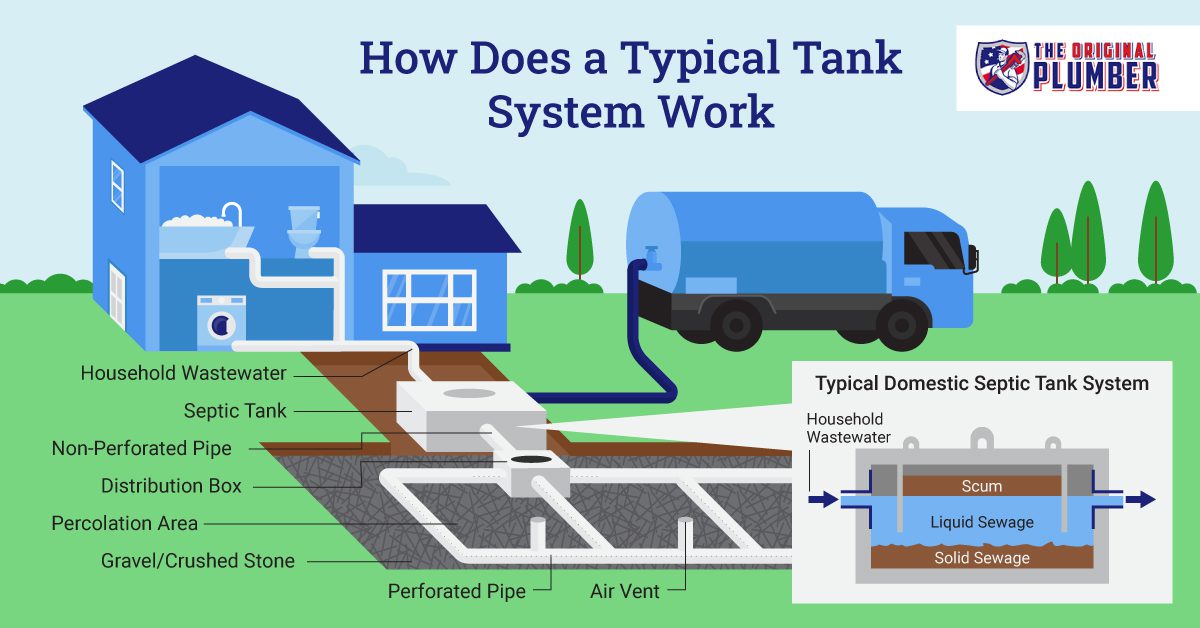
How to Read a Septic Tank Diagram | The Original Plumber & Septic Drain Field Clues: If you have a septic tank, you’ll also have a drain field (or leach field). This is where the treated wastewater seeps into the ground. Look for:
Unusually Lush, Green Grass: Especially during dry spells, the grass over a drain field might be noticeably greener and thicker. It’s like Mother Nature is pointing you in the right direction!
A Specific Pattern: Sometimes, you can spot subtle depressions or rows in the yard where the drain field lines are buried. It looks almost like a faint, rectangular garden bed.
No Large Trees: Septic systems are often clear of large trees because roots can cause serious damage. If you have a perfectly manicured lawn in one area with no big trees, that's another hint!

Action Plumbing | Septic 101: Getting to Know Your Septic Tank
Vent Pipes: Occasionally, you might spot a small, mushroom-shaped vent pipe sticking up from the ground near where the tank or drain field would be. They're not always present or obvious, but worth a look!
Remember, be gentle with your exploration! No need to go full archaeological dig without confirmation.
Clue #3: Ask Your Neighbors – The Power of Community!
Sometimes, the best clues come from the people who live around you. If your house is part of an older neighborhood, there's a good chance that many homes were built with similar systems. Strike up a conversation with your long-term neighbors. "Hey, I was just wondering, are we on city sewer or septic around here?" You’ll be amazed at the local wisdom you can uncover! Plus, it's a great excuse to connect with your community.

Clue #4: Call in the Pros – When in Doubt, Bring in the Experts!
If you've gone through all these steps and you're still scratching your head, it's time to bring in the big guns. A local plumber or septic system company can easily determine your system type. They have specialized equipment (like probes or cameras) that can find your tank or confirm your connection to a municipal line quickly and efficiently. Consider it the definitive answer to your mystery!
Congratulations, You're a Septic Expert! (Or on Your Way!)
So, you’ve done it! You’ve either confirmed your home has a septic tank, or you’ve confidently ruled it out. How cool is that? You’ve actively engaged with your home, solved a practical puzzle, and gained invaluable knowledge.
If you do have a septic tank, congratulations! You've just unlocked a new level of homeowner responsibility (the good kind!). Now you know to be mindful of what goes down the drain, to schedule regular pump-outs, and to cherish that hardworking system that keeps your household humming. If you're on municipal sewer, great! You still learned a ton about your property and the fascinating world beneath our feet.
See? Learning about the unglamorous parts of homeownership isn't just practical; it's empowering! It's about being curious, proactive, and truly connected to the space you call home. So, go forth, my friend, and keep uncovering those amazing secrets your house has to tell. Your home (and your peace of mind) will thank you for it!