
How Do I Know If I Have A Septic Tank
Hey there, coffee buddy! Pull up a chair. We need to talk about something a little… unglamorous. But super important for every homeowner. We're diving into the mystery of your plumbing's dirty little secret: where does it all go?
I mean, seriously, have you ever stopped to think about it? You flush, you shower, you wash your hands… and poof! It's gone. Like magic, right? Well, not exactly. For some of us, that "magic" is actually a sophisticated (and sometimes finicky) system buried right in our own yards. I'm talking about the legendary septic tank.
So, you're probably wondering, "How do I even know if I've got one of these underground beasts?" Good question! It's not like they come with a big, flashing neon sign saying, "Hello! I process your waste!" But don't worry, friend, we're going to crack this code together. Think of me as your personal plumbing detective, minus the trench coat.
Must Read
The Clue Detective: Your Water Bill
Alright, let's start with the easiest, most straightforward clue. Grab your latest water bill. Go on, I'll wait. Got it? Now, take a peek at the itemized charges. Are you seeing a line item for "Sewer Service" or "Wastewater Treatment"? If you don't see that charge, or if it's suspiciously absent, you've just hit the jackpot, my friend!
No sewer charge? That's a pretty strong indicator that you're probably on a septic system. Why? Because you're not paying the city or county to whisk your wastewater away to their giant treatment plant. You're handling it yourself, right there at home. Pretty neat, huh?
This is often the biggest giveaway, so if you're squinting at your bill and seeing nothing but water usage and maybe some storm drain fees, consider this mystery largely solved. High five!
Location, Location, Location!
Think about where you live. Are you nestled in a bustling city with houses practically touching, or are you out in the glorious, sprawling countryside? Generally speaking, septic systems are far more common in rural or semi-rural areas.
Cities, with their dense populations, almost always have extensive municipal sewer systems. It's just more practical. But once you get outside city limits, or into older developments that predate modern sewer infrastructure, septic becomes the norm. So, if your closest neighbor is a cow (or at least, not visible from your window), you're probably nodding along right now, aren't you?
Also, consider the age of your home. Older homes, even in what are now suburban areas, might have been built before the municipal sewer lines reached them. Some of these pioneers still proudly (or sometimes annoyingly) sport their original septic systems.
Ask a Friend (or Neighbor!)
Okay, this one might seem a little too obvious, but honestly, it's often the quickest way to get an answer! Just ask your neighbors. Seriously! Go knock on their door (maybe bring a plate of cookies for extra neighborly points). A simple, "Hey, I was wondering, are you on city sewer or septic?" can clear things up in about two seconds.
Chances are, if they're on septic, you probably are too, especially if your homes were built around the same time or are part of the same original development. Neighbors are a treasure trove of local info, don't forget!

The Great Yard Expedition: What to Look For
Time to put on your explorer hat and brave the great outdoors (your backyard, that is). This is where things get a little more… physical. If you have a septic system, there are usually some tell-tale signs buried in your lawn.
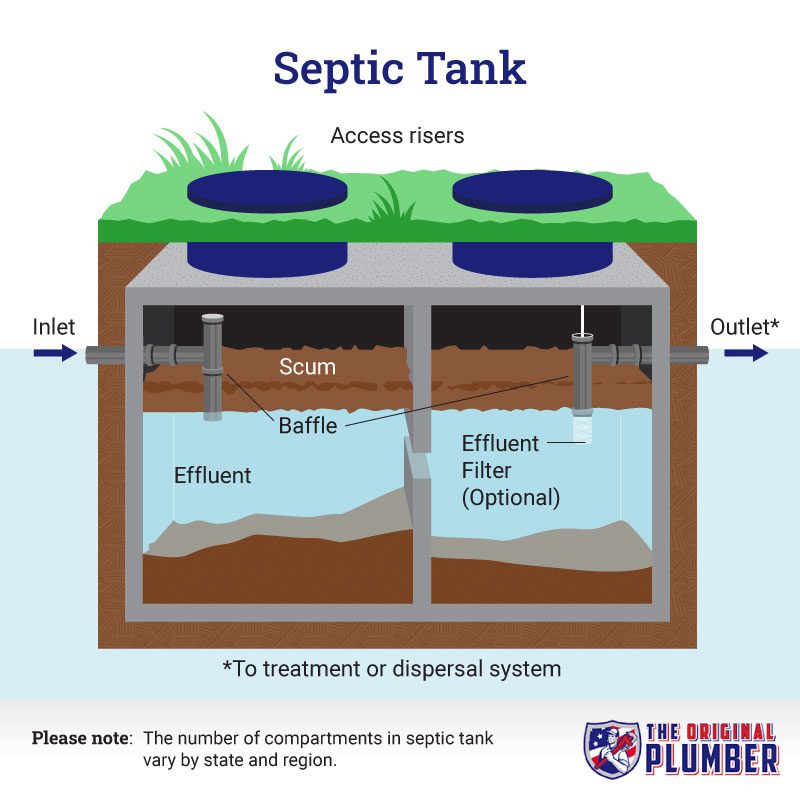
- Access Lids: Look for circular or square lids, usually made of concrete, plastic, or sometimes even metal, buried flush with or just slightly above the ground. These are access points to the septic tank itself. They're often green or gray to blend in. You might see one, or even two.
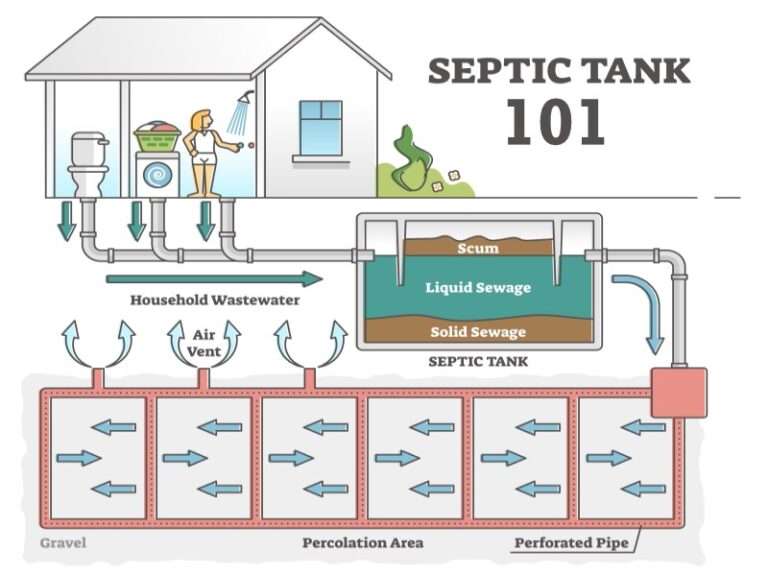
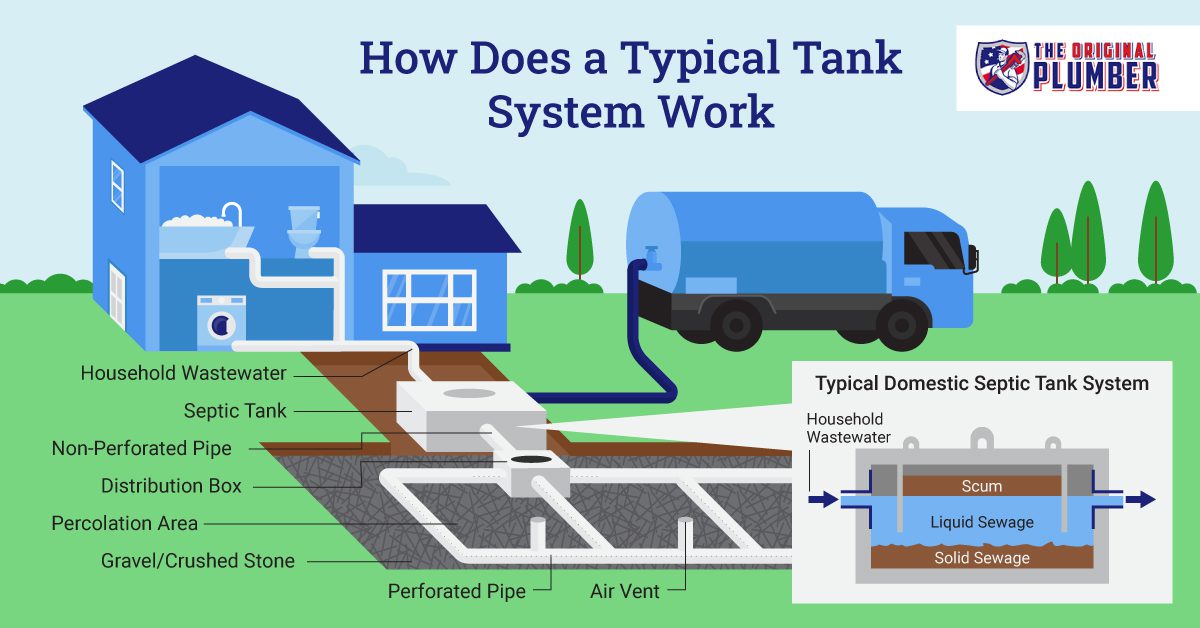
- The Drain Field: This is the area where the treated water from your tank leaches back into the soil. It's typically a large, flat, grassy area. Sometimes, the grass over a drain field might be unusually green or lush, especially during dry spells. Why? Because it's getting extra 'fertilizer' (ew, but true!) from the treated wastewater.
- Mysterious Pipes or Vents: Occasionally, you might spot a small, mushroom-shaped vent pipe sticking up out of the ground near the tank or drain field. These help vent gases from the system.
If you're seeing any of these clues, especially the access lids, congratulations! You've likely found your buried treasure (of the waste-processing kind, anyway).
Digging Through Paperwork: The Official Route
When you bought your home, did you get an inspection report? A lot of home inspections for properties with septic systems will explicitly state it. Or, check your old property disclosures. That's usually a pretty reliable source of info.

Still stumped? You can always contact your local health department or building permit office. They often have records of septic system installations and permits on file. Give them your address, and they can usually tell you right away. This is the definitive answer, if all else fails.
The Final Word: Embrace the Septic Life!
So, whether you found your answer on a bill, in your yard, or by chatting with Brenda next door, welcome to the world of septic ownership! It's a different beast than city sewer, requiring a little more TLC (like regular pumping, don't forget!). But it's also incredibly efficient and self-contained.
Knowing you have one is the first step. Now you can be a responsible septic owner and keep that underground magic flowing smoothly. Happy flushing, friend!