How Do I Drain My Hot Water Tank

Ever peered into the dark recesses of your utility closet or basement and wondered about that big, cylindrical tank silently working away? That’s your hot water heater, a true unsung hero of daily comfort. While it might not seem like the most thrilling topic, understanding how to give it a little TLC, specifically by draining it, is actually a pretty cool bit of homeowner wisdom that can save you a surprising amount of hassle and money down the line.
So, why would you want to drain your hot water tank? Think of it like this: just as we need to occasionally clean out our coffee makers or kettles, our hot water tanks also accumulate sediment. This sediment, often made up of minerals like calcium and magnesium from your water supply, slowly builds up at the bottom of the tank. Over time, this gritty accumulation becomes a silent efficiency killer. Draining the tank’s purpose is to literally flush out these unwanted deposits. The benefits are numerous: a cleaner tank runs more efficiently, meaning lower energy bills because the heating element isn't trying to warm water through a layer of crud. It also helps prolong the lifespan of your heater, preventing costly breakdowns and premature replacement. Plus, it can even eliminate strange noises – like rumbling or popping – that are often caused by sediment.
In our daily lives, this task isn't just about saving money; it’s about smart home management and feeling empowered. It’s a tangible way to understand how your home systems work and to take an active role in their maintenance. While you won't be draining your tank every day, making it an annual ritual is a fantastic habit. It’s a bit like changing the oil in your car – a small, regular effort that prevents big problems.
Must Read
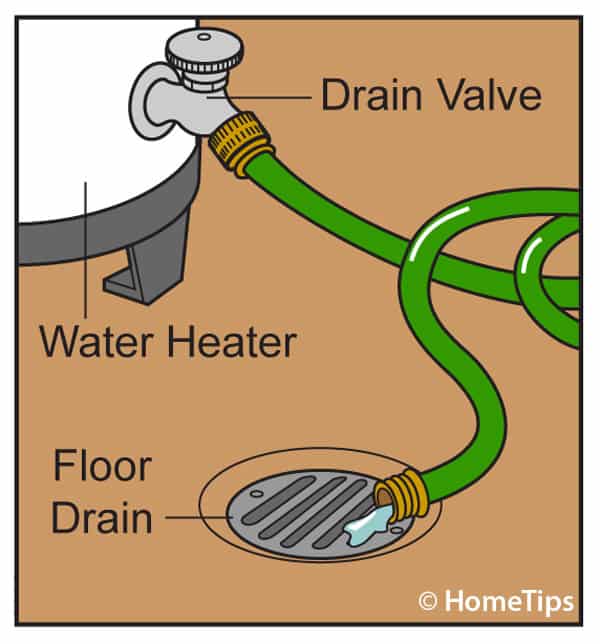
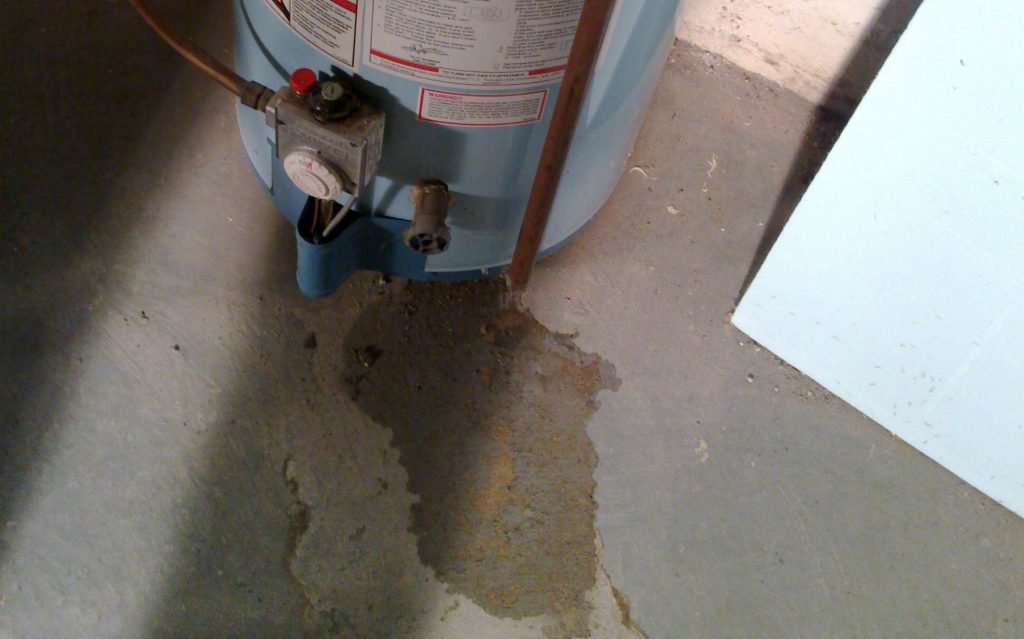
Ready to explore this practical plumbing adventure? It’s simpler than you might think! First, and most crucially, always remember safety first. For an electric heater, turn off the power at your breaker box. For a gas heater, turn the gas valve to the “off” position. Next, turn off the cold water supply valve leading into the top of your hot water tank. This stops new water from entering. Now, locate the drain valve at the very bottom of the tank – it usually looks like a spigot. Attach a standard garden hose to this valve and route the other end to a safe drainage spot, like a floor drain or outside, away from foundations. Open a hot water faucet somewhere in your house (this prevents a vacuum from forming) and then slowly open the drain valve on the tank. You’ll see murky water, possibly with bits of sediment, flowing out. Let it drain completely. For an extra good flush, once most of the water is out, briefly turn on the cold water supply for a minute or two with the drain still open; this will stir up and flush out more stubborn sediment. When the water runs clear, close the drain valve, remove the hose, and close the hot water faucet in your house. Finally, turn the cold water supply back on and allow the tank to refill completely – you'll hear it filling. Once it’s full (which you can check by opening a hot water tap until water flows steadily without sputtering), you can safely restore power or turn the gas back on. Congratulations, you’ve just given your hot water heater a new lease on life!
B