How Do I Create A Prototype
Remember trying to build the ultimate blanket fort, complete with cushions and secret tunnels? Or baking a new cake recipe for the first time, hoping it would stand tall and taste amazing? Perhaps you've lovingly drawn a detailed map for a friend to find your house, with wobbly arrows and quirky landmarks. Guess what? In all these moments, you were doing something incredibly cool, something engineers, designers, and innovators do every single day. You were creating a prototype.
Don't let the fancy word intimidate you. A prototype is just a test run, a dress rehearsal, the very first, often imperfect, attempt at turning an exciting idea into something real. It’s like learning a new recipe; your first soufflé might look like a delicious pancake. That's perfectly okay! The goal isn't perfection, but simply trying it out, seeing what works, what fails, and what makes you smile.
From Sketch to Something You Can Hold
The beauty of creating a prototype is that it frees you from the pressure of perfection. Imagine designing a new ergonomic potato peeler. Your first thought might be, "I need a factory!" But hold on. A true proto-creator would grab a pencil, paper, maybe some clay, or even an existing potato and peeler to start sketching and manipulating.
Must Read
"The fastest way to get to a good idea is to have a lot of ideas and try them all out quickly."
Think of the legendary visionary, Walt Disney. Before the dazzling theme parks and incredible rides, there were countless simple drawings, crude cardboard cutouts, and miniature models. Those were his crucial prototypes! He didn't just snap his fingers and have Disneyland appear; he painstakingly built little versions, moved things around, and envisioned every guest's journey. He played with his ideas like a child plays with toy blocks, trying configurations until he found the magic.
The Humble Heroes: Cardboard, Tape, and Imagination
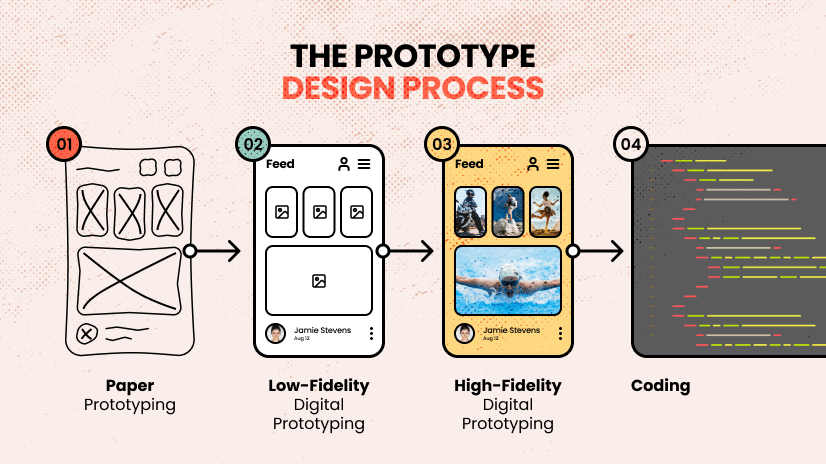
One of the most heartwarming things about prototyping is seeing people use the simplest materials to bring complex ideas to life. Need to design a new user interface for an app? Forget expensive software. Grab some Post-it notes, draw buttons and screens on them, and stick them to a piece of paper or your phone. Then, pretend to "tap" through your new app, moving the Post-its as you go. It’s hilariously simple and incredibly effective for testing flow.

I once saw an enthusiastic team designing a new type of vending machine. Their first prototype wasn't a sleek metal box. Oh no. It was a giant, hastily taped-together cardboard box, with rough holes cut for snacks, and a person literally sitting inside, pushing out imaginary candy bars whenever someone "paid" with a pretend coin. It looked like something imaginative kindergarteners made, but it allowed them to test the user experience, figure out optimal height, and where buttons felt natural. It was wonderfully goofy, unconventional, and absolutely brilliant in its simplicity!
Embracing the "Oops!" and Chasing the "Aha!"
The real fun begins when you start showing your creation to others. This is where the magic, and sometimes the delightful hilarity, happens. You might have spent hours perfecting your crude cardboard robot arm, only for your friend to try it and have it immediately flop over. Instead of despair, you get a beautiful "Aha!" moment: "Ah, the elbow joint needs to be much stronger!"
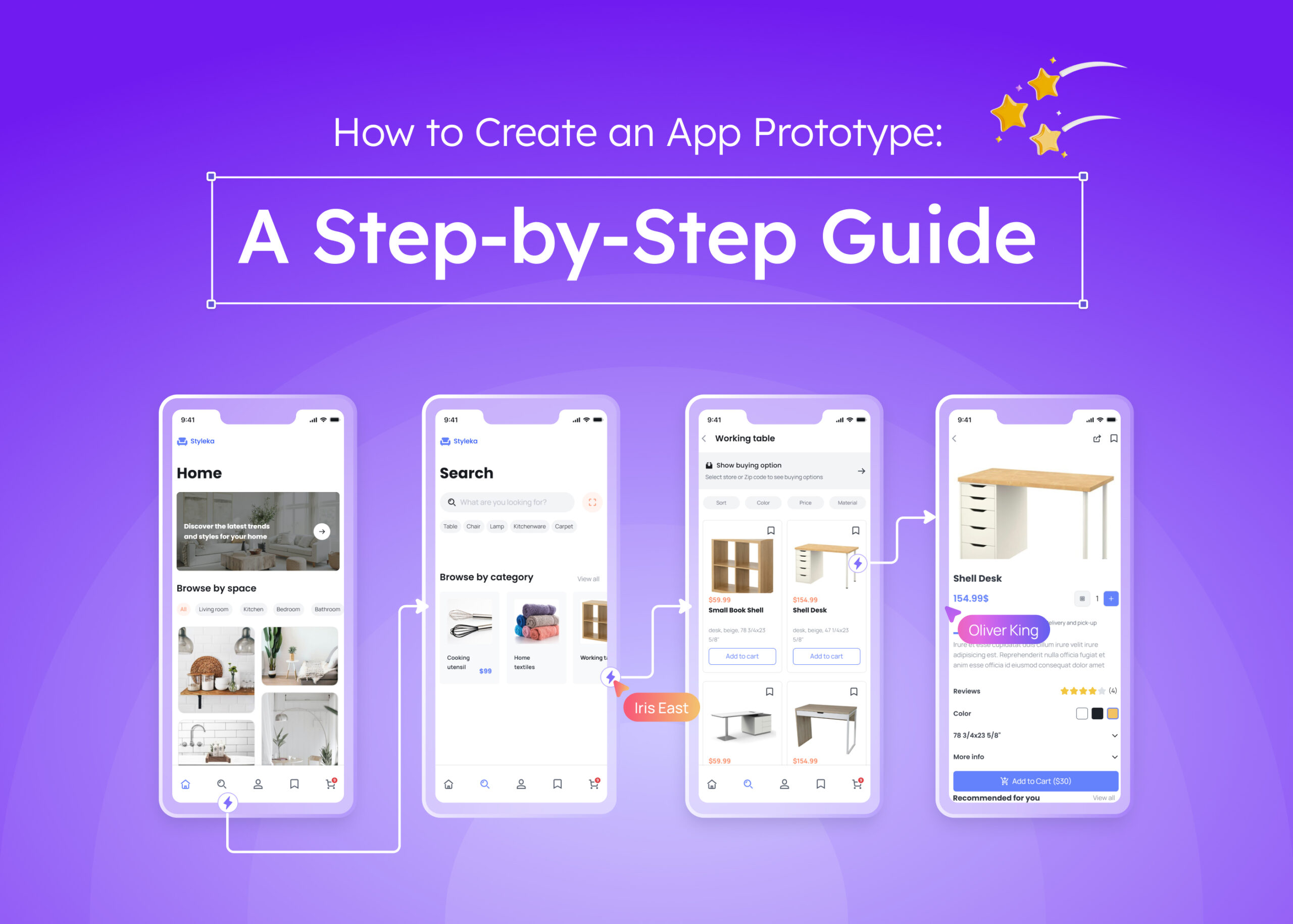
Getting honest feedback is like being handed free, invaluable clues in a treasure hunt. Sometimes it's obvious, like "this button is too tiny." Other times, it's wonderfully surprising. Imagine building a new dog toy. You proudly hand your crude fabric-and-stuffing model to your beloved furry friend. If they immediately ignore it and start happily chewing on the cardboard box it came in, well, there's your profound feedback! Time to head back to the drawing board (or the chew-resistant fabric store).
This dynamic process of building, showing, testing, learning from every glorious mistake, and building again is called iterating. It's less about achieving perfection on the first try, and much more about making small, consistent improvements. Each failed iteration isn't a true failure; it's merely a crucial stepping stone to something significantly better. It’s like a sculptor chipping away at a rough block of marble, slowly revealing the masterpiece within. Every single chip is a tiny prototype of the final, magnificent form.
Your Imagination, Your Rules: Go Forth and Proto!
So, the very next time you find yourself with a brilliant idea – whether it’s a clever new way to organize your pantry, a more effective mouse trap, or a fantastical story you want to illustrate – don’t wait for absolute perfection. Don't burden yourself with grand plans or expensive tools. Instead, grab some paper, some sticky notes, a few LEGOs, or even just harness the incredible power of your own imagination. Start building your first rough, messy, wonderfully imperfect prototype. You might be utterly surprised by how much sheer joy and significant progress you find in the simple act of just trying something out. Who knows, your next ambitious blanket fort might just be the accidental blueprint for a groundbreaking new architectural design, or at the very least, the coziest reading nook ever conceived!