How Do Energy Tax Credits Work
Ever wish you could get a little thank-you note (with cash attached!) for making smart choices? Well, when it comes to upgrading your home with energy-efficient improvements, the government actually sends you something even better: energy tax credits! This isn't just some dry financial jargon; it's a fantastic opportunity to save money, boost your home's value, and do a solid for the planet, all at the same time. Who doesn't love a win-win-win situation?
So, what exactly are these magical credits? At their core, energy tax credits are incentives from the federal government designed to encourage homeowners like you to invest in renewable energy and energy-efficient products for your home. Think of them as a pat on the back for going green. Unlike a tax deduction, which just reduces your taxable income, a tax credit directly reduces the amount of tax you owe, dollar for dollar. This means if you owe $1,000 in taxes and qualify for a $300 energy credit, your tax bill instantly drops to $700. Pretty sweet, right?
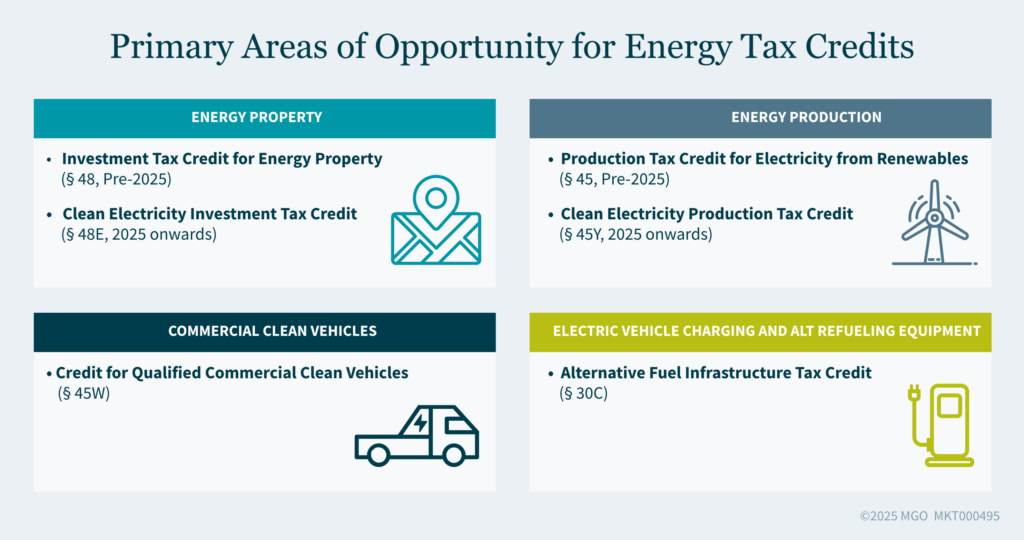
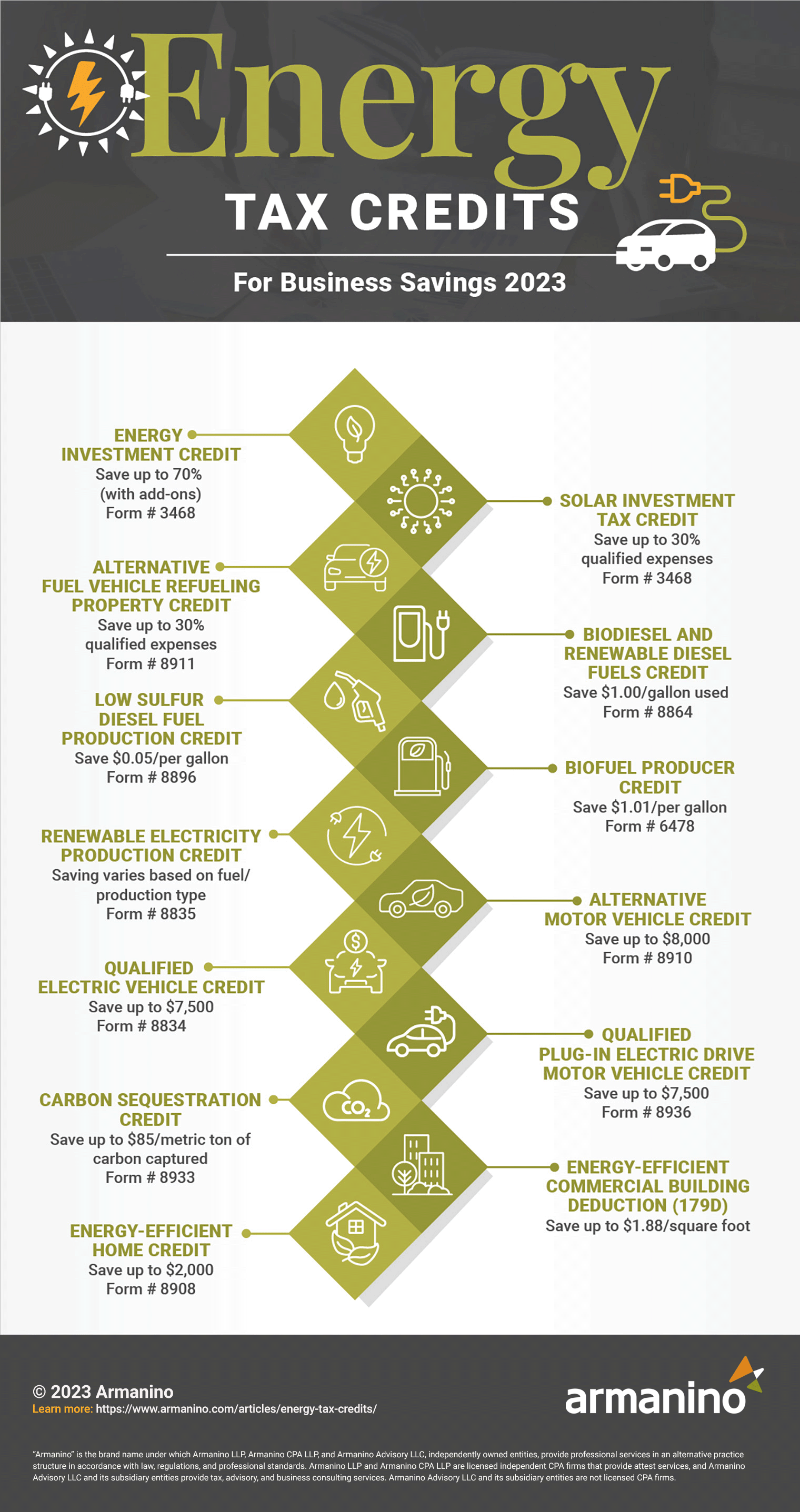
The beauty of how they work is in their simplicity – though, of course, there are always a few rules. Generally, you’ll install a qualifying energy-efficient improvement in your home. This could be anything from a brand-new solar panel system to more efficient windows, better insulation, or a high-efficiency heat pump. Once the improvement is made and the year ends, you'll simply fill out the relevant IRS form (often Form 5695 for residential energy credits) when you file your annual tax return. It's crucial to keep good records of your expenses, including receipts and manufacturer certifications, as proof of your eligible purchases and installations.
Must Read
The benefits of tapping into these credits are multi-faceted. Firstly, there’s the immediate financial relief on your tax bill, which can be substantial. Secondly, by making your home more energy-efficient, you’re likely to see a significant drop in your monthly utility bills – a benefit that keeps on giving year after year. Thirdly, these upgrades often increase your home’s market value, making it more attractive to potential buyers down the line. And let's not forget the feel-good factor: by reducing your home’s energy consumption, you're actively contributing to a healthier environment and reducing your carbon footprint. It’s a powerful statement that savvy homeowners are making across the country.
Want to get in on the action? A great first step is to visit the IRS website or energy.gov/tax-credits to see the most current list of qualifying products and the specific credit amounts available. Rules can change, and eligibility requirements are important. Whether you’re dreaming of solar panels on your roof, upgrading to smarter windows, or super-insulating your attic, exploring energy tax credits is a no-brainer. It’s a fantastic way to make your home more comfortable, more valuable, and more environmentally friendly, all while keeping more cash in your wallet. So, go ahead – make some smart choices, and let the savings begin!