How Do Ceiling Fans Cool A Room

Ah, the trusty ceiling fan! It’s a ubiquitous symbol of home comfort, a whirling wonder that silently keeps us cool through sweltering summers. But have you ever paused to truly consider its magic? It doesn't blow out cold air like an air conditioner, yet its effect on our comfort is undeniable. Understanding its clever mechanics is like uncovering a delightful secret about your own home – and it’s far more inspiring than you might imagine!
Delving into how these unsung heroes work offers a bundle of benefits beyond just trivia. For the casual learner, it’s a peek into applied physics, showing how simple principles create significant comfort. For the energy-conscious homeowner, it’s a revelation that can lead to smarter energy use and noticeable savings on utility bills. Knowing your fan's superpowers means you can optimize its performance, feel more comfortable naturally, and reduce your carbon footprint, all while basking in a gentle, energy-efficient breeze. It's about empowering yourself to create a more pleasant and economical living space.
So, what’s their secret? Ceiling fans don't actually lower the ambient temperature of a room. Instead, they cool you, not the air. Their primary trick is creating a wind chill effect. When the blades spin, they push air downwards (in summer mode), creating a current that moves across your skin. This moving air accelerates the rate at which sweat evaporates from your body. And as you might recall from science class, evaporation is a cooling process. It carries heat away from your skin, making you feel significantly cooler, even if the room thermometer hasn't budged!
Must Read
But wait, there's more! Most fans also have a switch to reverse their direction, offering different benefits for different seasons. In summer, you want the blades to rotate counter-clockwise, pushing air straight down to create that lovely evaporative cooling effect. Come winter, flip that switch! The blades will then rotate clockwise, gently pulling cooler air up and pushing warm air (which naturally rises and collects near the ceiling) down along the walls. This helps to redistribute heat throughout the room, making it feel warmer without cranking up the thermostat. It’s a subtle yet brilliant way to maximize your heating efficiency.
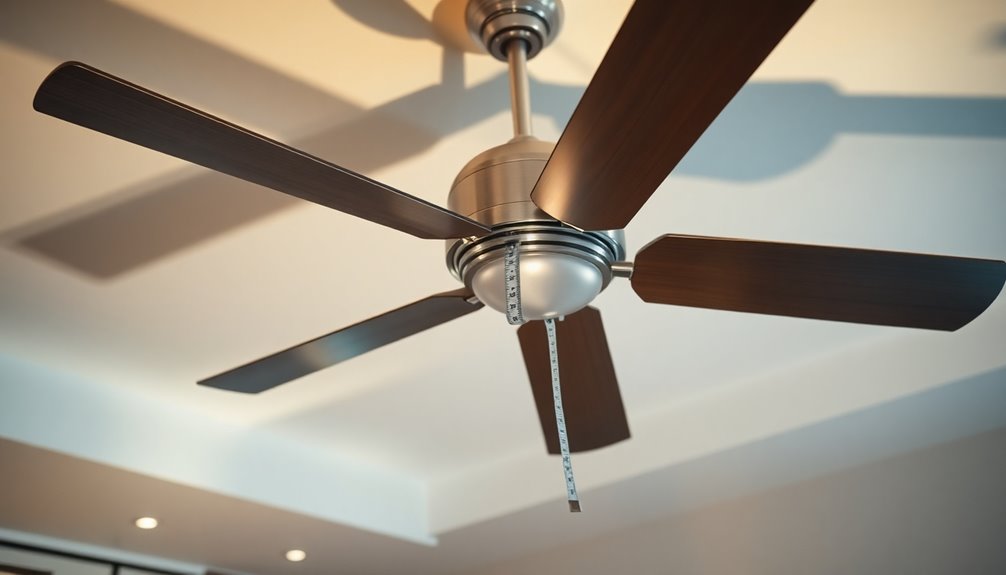
Ready to try optimizing your fan at home? First, make sure your fan is set to the correct direction for the season. In summer, you should feel a distinct downward breeze directly underneath the fan. Second, remember that fans cool people, not empty rooms. So, turn off your ceiling fan when you leave a room – there's no point in cooling an unoccupied space! Third, choose the right speed. A gentle breeze is often all you need for comfort, and it uses less energy. Lastly, consider the size of your fan relative to your room; a larger room might need a larger fan to be effective. Keeping your blades clean also ensures optimal airflow.
Ultimately, the joy of a ceiling fan comes from its elegant simplicity and profound effect. It’s not just about a breeze; it’s about the feeling of natural comfort, the satisfaction of saving energy, and the quiet appreciation for smart design. There’s something truly enjoyable about leveraging basic physics to create a more pleasant, sustainable home. It’s a testament to how even the most common household items hold fascinating lessons and contribute to our daily well-being, one gentle whirl at a time.