How Do Carbon Monoxide Get In Your House

Ever had that feeling when you're all cozy at home, maybe watching a movie or whipping up some dinner, and suddenly you get a tiny, unsettling thought? Like, "Is that weird smell just my cooking, or...?" Well, let's talk about a gas that's way more sneaky than a burnt toast smell – our friend, or rather, our unwelcome guest, Carbon Monoxide (CO). It’s like the ninja of gases: silent, invisible, and really good at getting into places it shouldn't.
Your Home's Hidden Gatecrashers
So, how does this invisible party pooper manage to crash your comfy pad? It’s usually born from something called incomplete combustion. Think of it this way: when you burn fuel – any kind of fuel, like natural gas, propane, oil, wood, or even charcoal – it's supposed to burn cleanly, producing mostly carbon dioxide and water vapor. But sometimes, when things aren’t quite right, or there isn't enough oxygen for a good burn, CO pops out instead. It’s like trying to bake a cake without enough flour; you get... something, but not quite what you wanted.
And where are these fuel-burning situations happening in your house, you ask? Oh, all over the place! We're talking about the usual suspects that keep your life running smoothly.
Must Read
The Usual Suspects: Appliances Gone Rogue
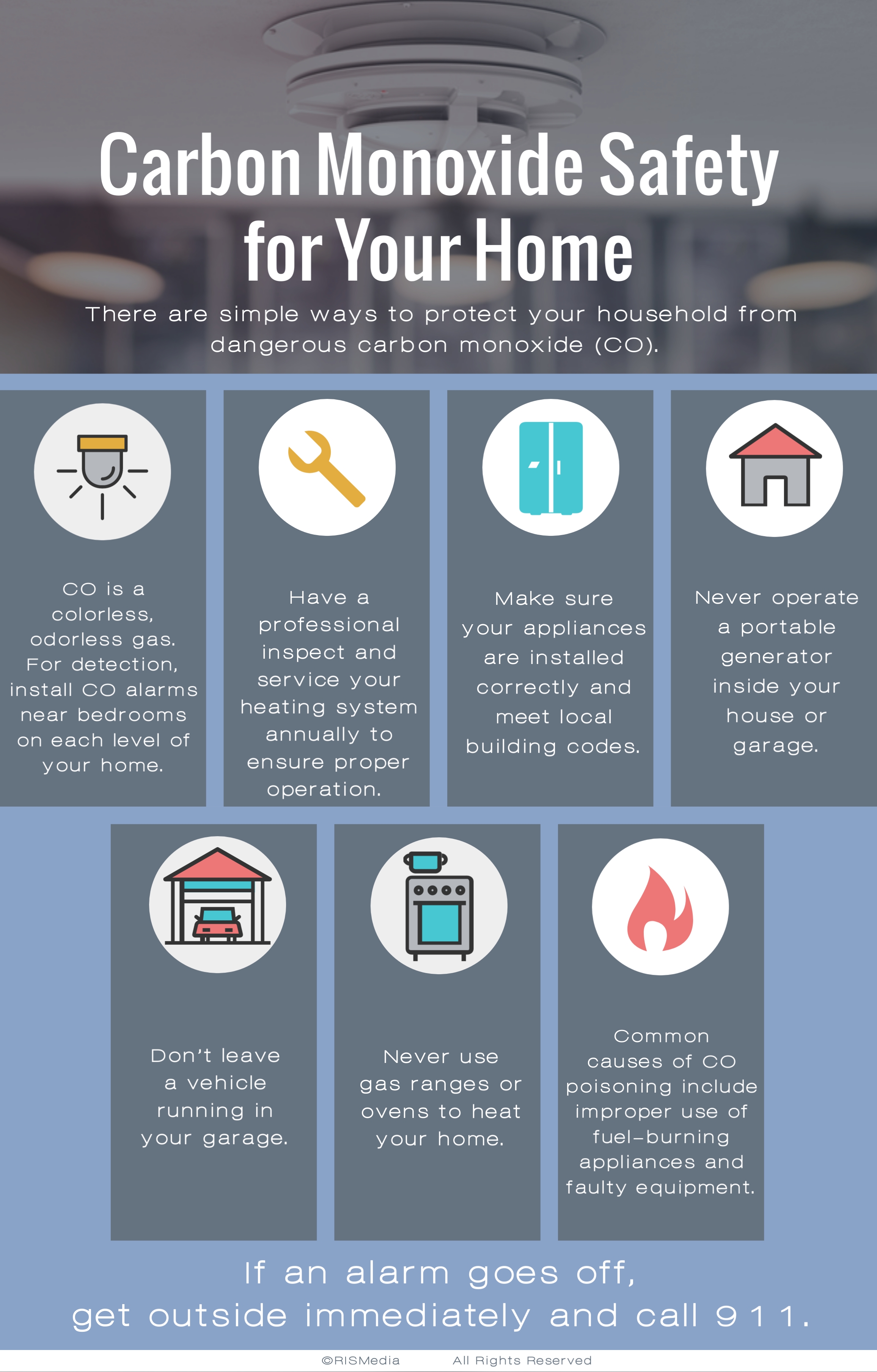
Let's start with the big one, your furnace or boiler. This is often the MVP of warmth in your house, chugging away in the basement or a utility closet. If its exhaust vent gets clogged – maybe by a bird's nest (those feathered architects!), leaves, or even just dust bunnies that have grown into dust elephants – the CO can't get out. So, it decides to take the scenic route... right into your living room. It’s like when you’re stuck in traffic and decide to cut through a neighborhood street, except this gas doesn't have Google Maps and just wanders aimlessly.
Then there’s your water heater. Quietly doing its job, making sure you have nice hot showers. But just like your furnace, if its vent isn't clear or it’s not burning fuel efficiently, it can also start kicking out CO. It’s the unsung hero that can sometimes turn into an accidental villain.
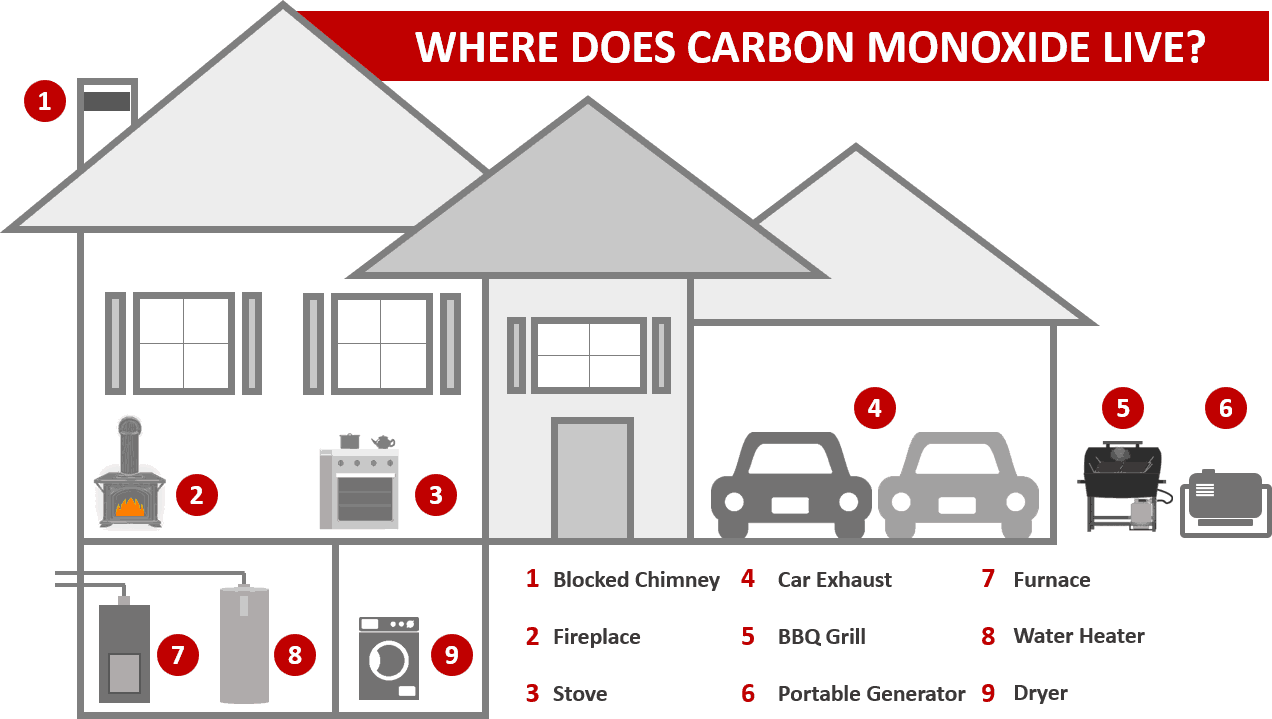
Don't forget your trusty gas stove or oven. While cooking up that delicious lasagna, if the burners aren't burning with a nice blue flame (yellow or orange can be a warning sign!), or if the oven isn't venting properly, it's basically slow-cooking CO into your kitchen air. It's like your oven trying to add an extra, very unappetizing, ingredient to your meal.
That cozy fireplace or wood stove you love so much? Yep, it can be a source too. If the chimney is clogged, or if the damper isn’t fully open, the smoke and gases (including CO) have nowhere to go but back into your room. It’s a bit like trying to have a bonfire in your living room – charming, until it fills with smoke.
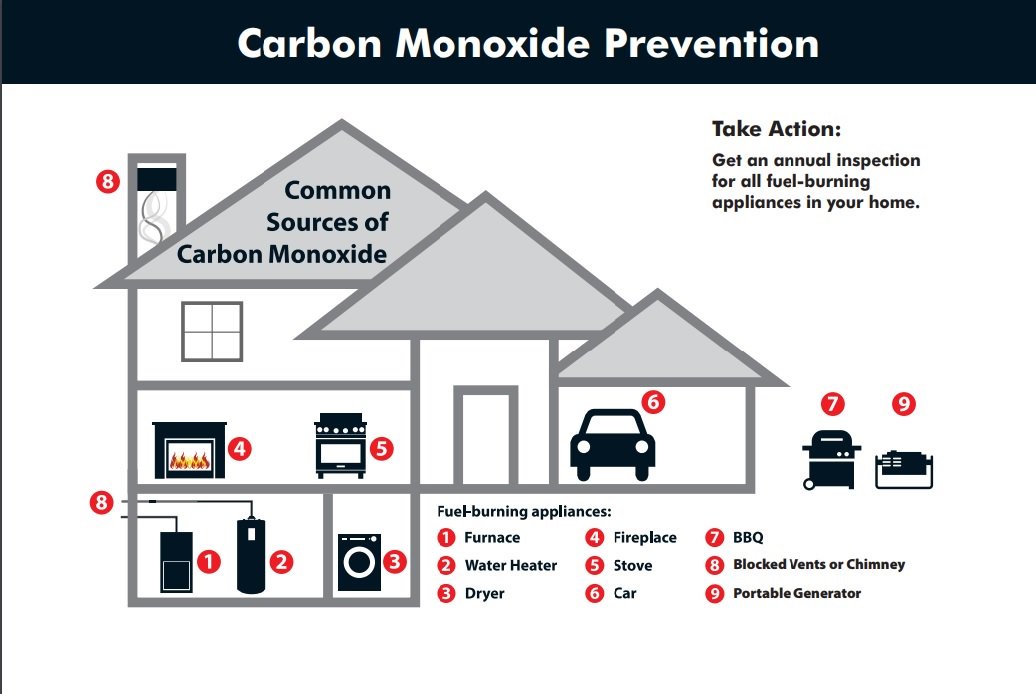
Even your hardworking clothes dryer can join the club if it’s gas-powered and its exhaust vent is clogged with lint. Yes, that fuzzy stuff you clean out of the lint trap? If it builds up further down the line, it can create a CO problem. So, next time you're tossing a load in, give a little thought to that vent pipe!
The "Oops, My Bad" Moments
Sometimes, CO gets in because of things we accidentally do. Picture this: it’s freezing outside, and you quickly need to warm up your car. You pop it into gear in the attached garage, maybe just for a minute. But that exhaust doesn't just vanish; it can easily seep through cracks, open doors, or even ventilation systems right into your house. It’s like leaving the front door open for a gust of wind, but instead of wind, it’s a silent, odorless gas.
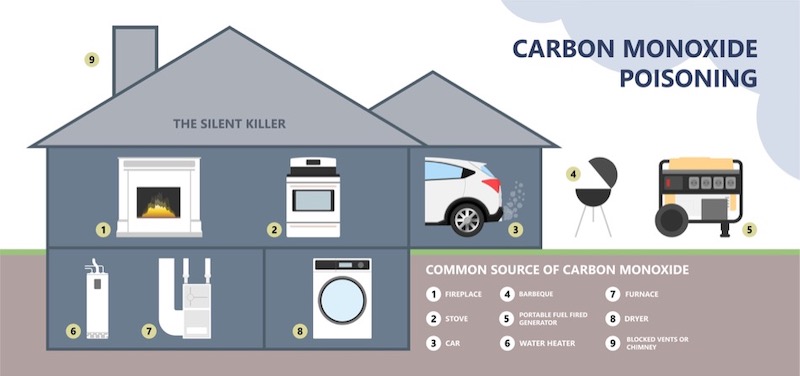
And then there are portable generators. Fantastic for power outages, but they are absolutely, positively, never to be used indoors or in an attached garage. Ever. Period. They churn out CO like nobody's business, and bringing them inside is basically inviting trouble for a permanent stay. It's like bringing a barbecue grill into your bedroom – sounds wild, but incredibly dangerous.
The Invisible Intruder
The real kicker about CO is that you can’t see it, smell it, or taste it. It’s completely stealthy. It’s not like a gas leak that smells of rotten eggs (that’s natural gas, a different beast entirely). Carbon monoxide just silently moves in and starts replacing the oxygen in your blood, making you feel drowsy, headachy, or just generally unwell. It’s the ultimate unwanted houseguest, the one who slowly makes you feel bad without you even realizing why.
So, the next time you're enjoying your home's warmth and comfort, just remember that a little awareness and a handy CO detector (your house's personal superhero) can keep this sneaky gas out. Because home should be where your heart is, not where CO decides to chill!