How Do Algae Support Their Bodies
Have you ever strolled along a beach, mesmerized by the vibrant green or brown seaweed swaying gently in the tide? Or perhaps you've slurped down a delicious bowl of miso soup, unknowingly ingesting nori, a type of dried seaweed. Algae, often overlooked, are essential to our planet and even find their way into our daily lives in surprising ways. But have you ever stopped to wonder: How do these underwater plants support themselves? After all, they don't have roots, stems, or woody trunks like their terrestrial counterparts.
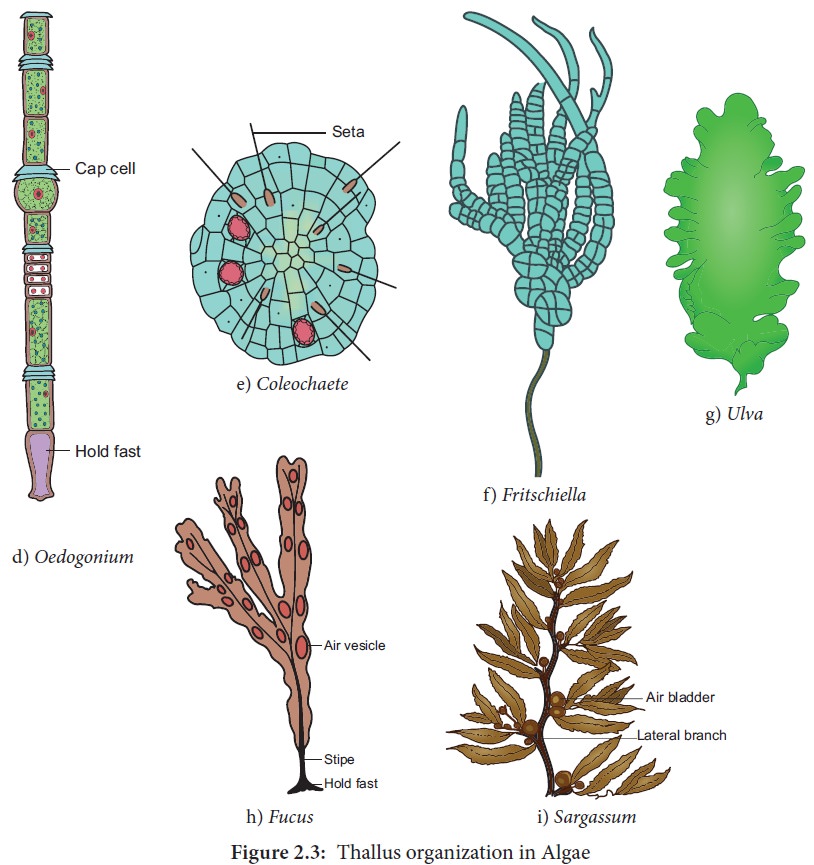
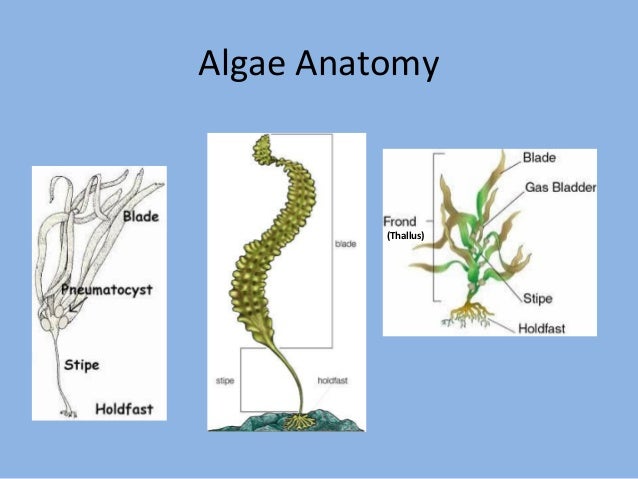
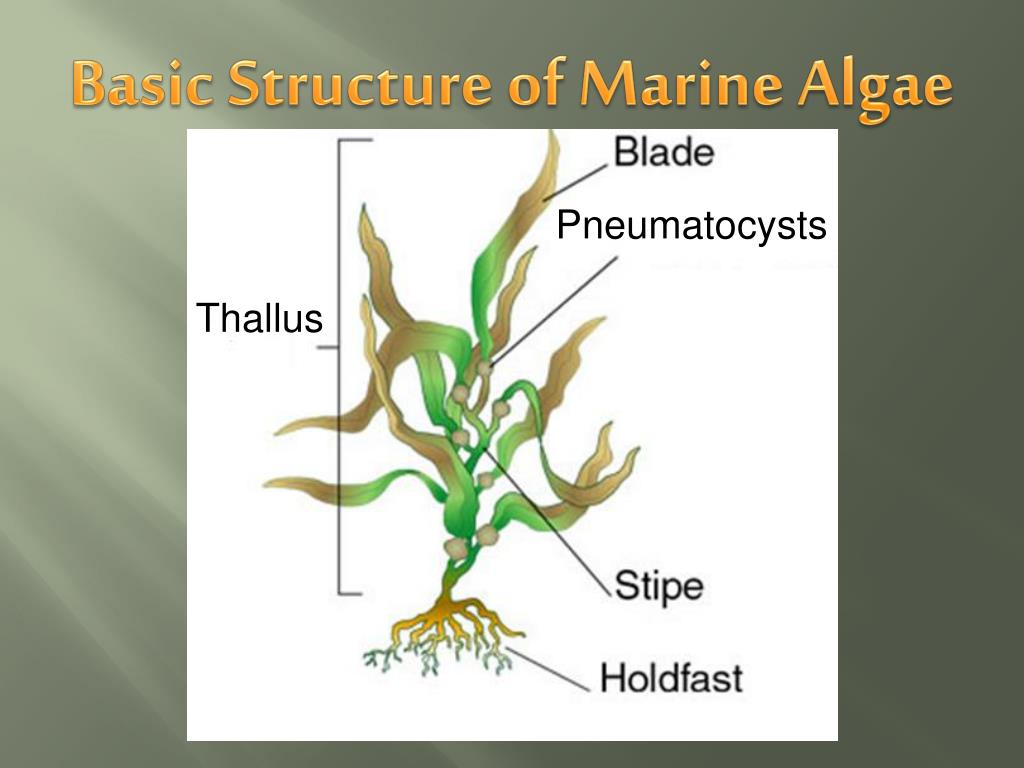
The secret to algae's structural integrity lies in a variety of clever adaptations that allow them to thrive in aquatic environments. Unlike land plants that rely on rigid cellulose and lignin for support, algae employ several different strategies depending on their size, shape, and environment. One common method is through buoyancy. Many types of algae, particularly larger seaweeds, contain gas-filled bladders called pneumatocysts. These bladders act like tiny life jackets, helping the algae float and stay upright in the water column, ensuring they receive ample sunlight for photosynthesis. Think of them as nature's built-in flotation devices!
Another critical factor is the strength of their cell walls. While algae don't possess the same woody materials as trees, their cell walls contain various polysaccharides, such as cellulose and other unique compounds like alginates in brown algae and carrageenan in red algae. These substances provide structural support and flexibility, allowing the algae to withstand the constant movement of water. These amazing compounds are also incredibly useful to us! Alginates, for example, are used as thickening agents in everything from ice cream to salad dressings. Carrageenan is often found in dairy products and is used to give them a smoother texture.
Must Read
Furthermore, the surrounding water itself provides a crucial element of support. Water's buoyancy counteracts gravity, reducing the strain on the algae's structures. This allows algae to grow long and slender without collapsing under their own weight. The mucilage or slime that many algae produce also helps to protect them and provides additional support by binding cells together.
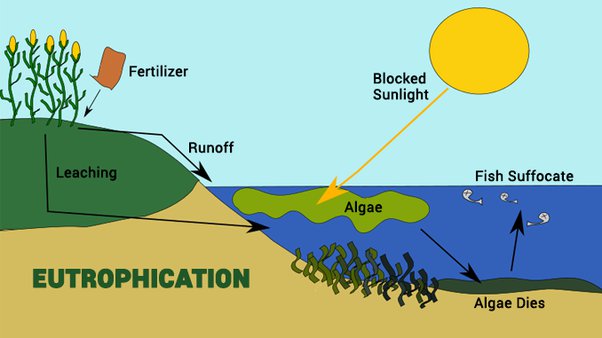
So, how can you better appreciate the amazing world of algae? Firstly, consider incorporating more algae-based foods into your diet. Seaweed snacks are a delicious and nutritious way to experience the flavors and benefits of these underwater plants. When visiting coastal areas, take a closer look at the different types of seaweed you encounter. Observe their shapes, textures, and how they move with the currents. You might even try identifying different species using a field guide. Learning about the adaptations that allow algae to thrive in their environment will undoubtedly deepen your appreciation for these often-underestimated organisms. Finally, be mindful of the impact of pollution on algal ecosystems. By supporting sustainable practices and reducing your environmental footprint, you can help protect these vital components of our planet's biodiversity. Remember, every little bit helps!