How Did The Texas Flood Happen

Alright, settle in, grab a sweet tea, and let's chat about that wild ride Texas took with the floods. Remember those days? It wasn't just a "sprinkle" or a "light shower" – it felt like the sky itself had developed a serious case of the hiccups, just spitting water all over the place. And honestly, for many of us, it felt like a cosmic prank gone wrong, like someone upstairs accidentally left the faucet running.
So, how did this whole watery saga unfold? Well, think of it like a really bad house party. You invite a few clouds over, maybe for a quick visit, and suddenly they bring all their friends, stay way too long, and just keep dumping all their drinks on your carpet. That, my friends, is basically what happened.
The Storm That Wouldn't Leave
First up, we had this incredibly stubborn weather system. Most storms are like that friend who pops in, says hello, maybe eats a few chips, and then moves on. Not this one. This storm decided it loved Texas so much it wanted to put down roots. It just kinda… hovered. Like a helicopter parent, but instead of worrying, it was just raining.
Must Read
When a storm decides to park itself over one area for days, instead of sashaying across the landscape, you've got a problem. It’s like trying to fill a kiddie pool with a garden hose; if you just hold the hose there long enough, eventually, that pool is going to overflow, even if the flow isn't super strong. But in this case, it was strong. Very strong.
The Sky's Own Firehose (aka Atmospheric River)
Now, where did all that water come from? Enter the fancy-sounding "atmospheric river." Don't let the name intimidate you. Imagine a huge, invisible river, not on the ground, but up in the sky, just hurtling vast amounts of moisture from the tropics straight towards Texas. It’s like Mother Nature decided to turn on a giant firehose and point it directly at our lovely state.
This wasn't just ordinary cloud moisture; this was a concentrated stream of the wet stuff, like a super-sized water balloon factory operating at peak capacity. And because our stubborn storm was just sitting there, it was perfectly positioned to catch all this incoming moisture, wringing it out like a dishcloth over the same patch of land, again and again.
Texas: The Sponge That Couldn't Absorb Anymore
So, you’ve got endless rain, right? Initially, the ground is like a thirsty sponge. "Oh, thank you, sweet rain!" it says, soaking it all up. But just like when you try to cram one more drop into a completely saturated sponge, eventually, it just can't take any more. The ground got so waterlogged it was practically waving a little white flag.

Once the soil reaches its saturation point, all that extra water has nowhere to go but sideways. It starts running off surfaces, collecting in low spots, and generally making a beeline for any creek, river, or unlucky street. It's like trying to pour more water into an already full bathtub – it's just going to spill over the sides.
The Concrete Jungle Effect
Here's another layer to our watery cake: a lot of Texas is, well, paved. Think about all the roads, parking lots, shopping centers, and rooftops. These surfaces are great for driving and walking, but they're terrible for absorbing water. Instead of soaking it up like natural soil would, concrete and asphalt act like a giant, impermeable slip-n-slide for rainwater.
So, all that torrential rain, instead of politely seeping into the earth, gets channeled and accelerated. It rushes off these hard surfaces, quickly overwhelming drainage systems that were designed for a more "normal" amount of rainfall. It's like trying to drain a swimming pool with a garden hose – it's just not gonna keep up.
The Grand Finale: Bathtubs Overflowing
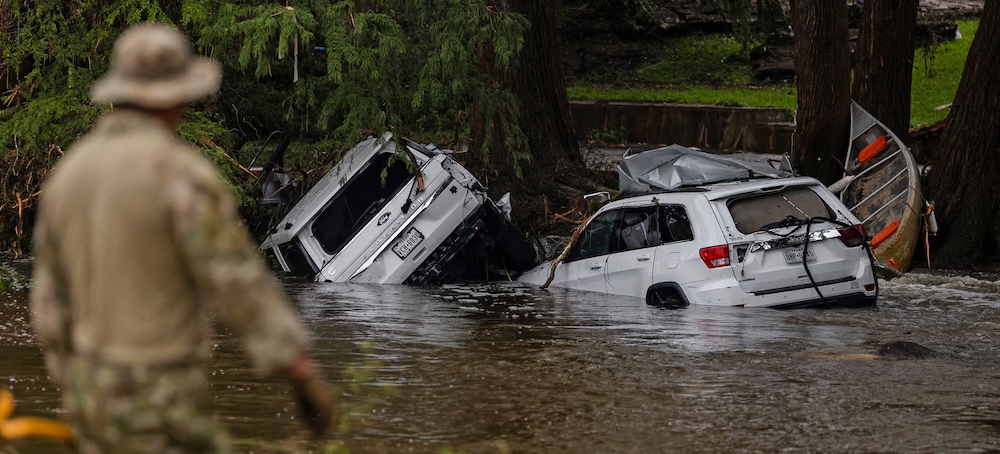
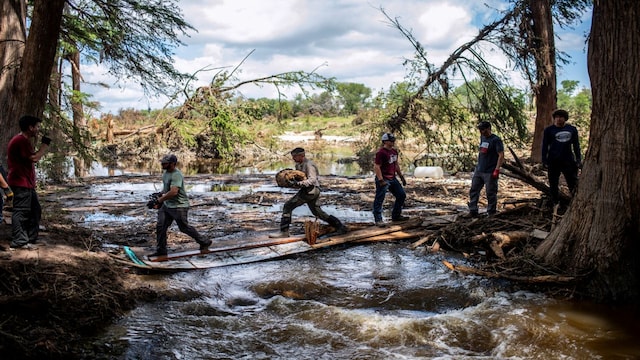
Put it all together: a stuck-in-place storm, a sky-river acting as a super-soaker, ground that's already completely waterlogged, and a whole lot of concrete forcing water to run wild. All those creeks, rivers, and bayous that usually handle rainwater like pros suddenly found themselves completely overwhelmed. They swelled, they burst their banks, and suddenly, neighborhoods became impromptu lakes.
It was a perfect, albeit devastating, storm of meteorological conditions and geographical realities. It wasn't just one thing; it was a combo platter of watery woes that turned a normal day into a "better grab the canoe" kind of situation. And while it was a tough time, it certainly showed us all just how much Mother Nature can really flex her muscles when she sets her mind to it. We all learned a lot about water flow, soggy socks, and the kindness of neighbors, didn't we?