
How Can You Tell If You Have A Water Leak

Ever get that nagging feeling that something just isn't quite right? Maybe it’s a faint, persistent dripping sound you can’t quite place, or perhaps a patch of grass that’s a little too vibrant, a little too green, even when everything else is parched. Our homes, much like our bodies, sometimes send us subtle signals that something's amiss. And when it comes to water, those signals often point to one thing: a water leak.
Now, before you start picturing geysers erupting in your living room, let's chill. Most leaks aren't dramatic Hollywood scenes. They're often quiet, sneaky little things, like a ninja doing a slow, methodical infiltration. But even the smallest drip, over time, can lead to big headaches – think skyrocketing water bills, pesky mold, or even structural damage. So, how do you become your own home's super-sleuth and sniff out these watery culprits?
Your Water Meter: The Heartbeat of Your Home
This is probably the most reliable trick in the book, and it costs you absolutely nothing but a little bit of time and curiosity. Think of your water meter as your home's central nervous system, recording every drop that flows in. If you suspect a leak, this is your first stop.
Must Read
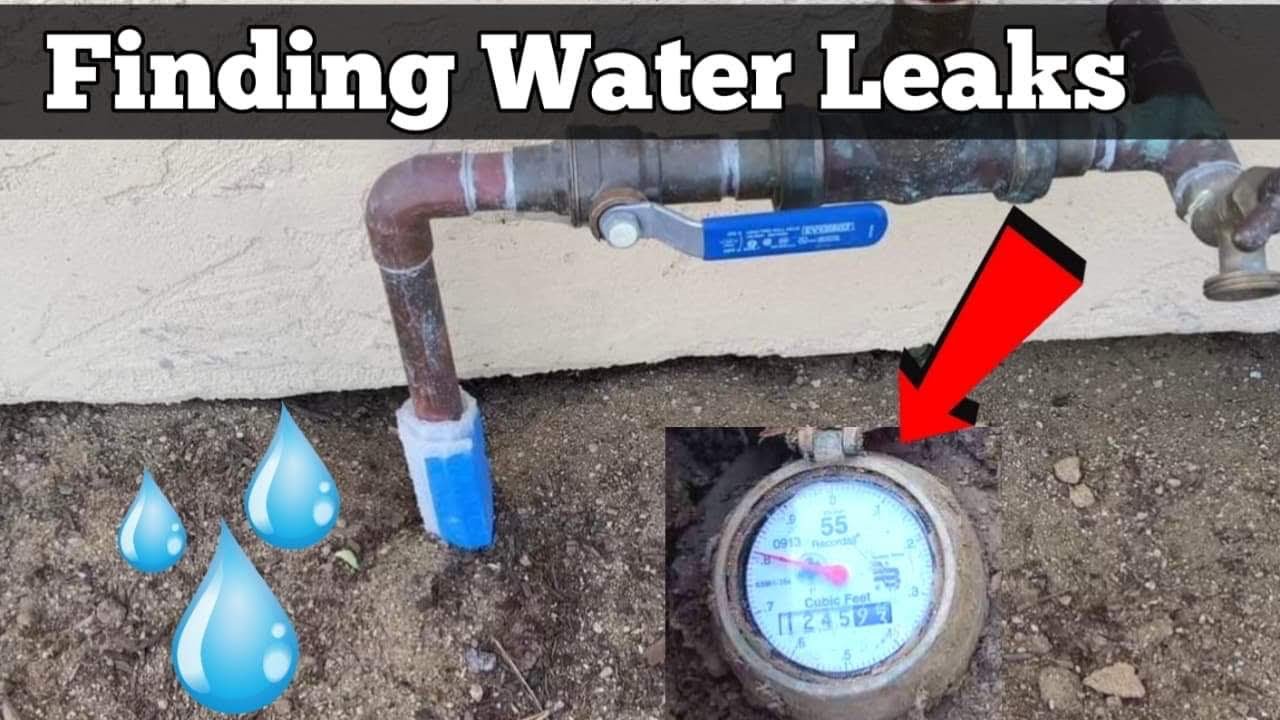
Here’s the game plan: First, make sure everyone in the house knows to avoid using any water for a while. No flushing toilets, no running dishwashers, no quick showers. It’s like putting your house into a temporary water embargo. Now, head outside to your water meter. Snap a quick photo of the reading, or jot down the numbers. Many meters also have a small triangular or star-shaped dial that spins when water is flowing. If that little dial is moving, even slightly, when no water is supposedly being used inside, then bingo! You've got a leak somewhere.
Wait for about 15-20 minutes, then check the meter again. If the numbers have changed, you know water is still flowing, which means there’s a leak. This method is brilliant because it tells you if you have a leak at all, even if you can’t see it. It's like having a universal "leak detector" button for your whole property!

The Bathroom Beat: Toilets and Taps
Bathrooms are notorious leak zones. Those constant drips from a faucet aren't just annoying; they're also a constant drain on your wallet. But the toilet? Ah, the toilet is a master of disguise.
A running toilet doesn’t always sound like Niagara Falls. Sometimes, it’s just a silent, subtle trickle from the tank into the bowl. To check, grab some food coloring – any color works, but darker ones are fun. Drop a few drops into your toilet tank (not the bowl!). Wait about 15-20 minutes without flushing. If you see that color appearing in the toilet bowl, even faintly, you’ve found your culprit! It’s likely a worn-out flapper valve, a relatively easy and inexpensive fix for a plumber or a handy DIYer. It's like a secret message from your toilet, telling you it needs a little TLC.
Mysterious Wet Spots and Unexplained Sounds
Sometimes, your house just feels damp, or you catch a whiff of a musty odor that wasn't there before. These are often the tell-tale signs of a hidden leak. Are there unexplained wet spots on your walls, ceilings, or floors? Is the paint bubbling or peeling? These are the physical manifestations of water finding its way where it shouldn't be. It's like your house is sweating in places it never used to!
And then there’s the sound. Close your eyes and listen. Do you hear a faint hissing or dripping sound when all water sources are off? It could be behind a wall, under the floorboards, or deep within your plumbing system. Being a good listener can sometimes literally save you thousands in repairs. It’s about tuning into the subtle whispers of your home.
The Curious Case of the Super-Green Patch
Step outside and take a look at your yard. Are there any spots that are unusually lush and green, even when the rest of your lawn is dry and parched? Or maybe persistent muddy or soggy areas that just won't dry out, even after weeks without rain? These can be strong indicators of an underground pipe leak. Your lawn might be enjoying a secret, personal watering system you didn't know you had!
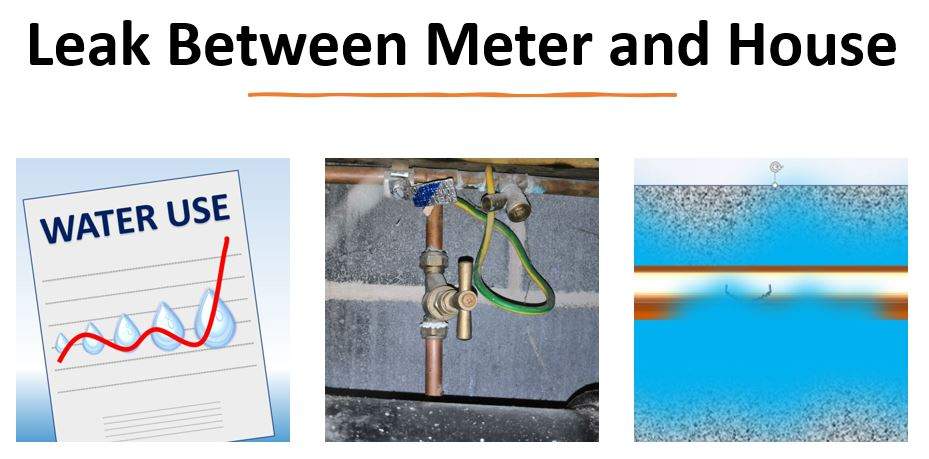
Also, keep an eye on your paved areas. Cracks in driveways or sidewalks can sometimes allow water to escape from underground pipes, leading to erosion underneath and even sinkholes over time. It's like your landscape is trying to tell you a secret with its unusual vibrancy or persistent puddles.
Why Bother Being a Leak Detective?
Beyond the simple satisfaction of solving a mystery (which, let's be honest, is pretty cool!), being proactive about leak detection saves you money. A lot of money. The EPA estimates that household leaks can waste over 10,000 gallons of water per year – that's enough to fill a swimming pool! Plus, preventing water damage means avoiding costly repairs to drywall, flooring, and foundations.
So, take a moment to be curious about your home. Listen closely. Look carefully. Your house might just be trying to tell you something important. Becoming a home leak detective isn't just about saving cash; it's about being in tune with your living space, making it a healthier, happier place for everyone. And that, we think, is pretty awesome.
