
How Can You Tell If Gas Is Bad

Ever opened the fridge, grabbed something, and thought, "Hmm, is this still good?" Maybe it's that forgotten banana turning suspiciously brown, or milk that's just a little too chunky for your morning cereal. Well, guess what? The same kind of 'expiration date' can apply to your gasoline!
It might sound a bit odd – gas going bad? But yes, dear reader, it absolutely can, and knowing the signs can save you a whole lot of headache, hassle, and even a chunk of change. Don't worry, we're not talking about your everyday fill-up at the pump. This usually happens to gas that's been sitting around for a while. Think lawnmowers hibernating for winter, generators waiting for the next power outage, or that beloved classic car taking a long snooze in the garage. So, how can you play detective and sniff out the suspects?
The Not-So-Fresh Smell Test
Your nose is actually your first and best tool here. Fresh gasoline has a distinct, familiar smell – pungent, yes, but not offensive in a 'something's wrong' kind of way. It's the smell of oomph!
Must Read
But bad gas? Oh boy, that's a different story. Instead of that sharp, energetic scent, you'll often notice a smell that's more like varnish, sour milk, or even a bit like old, pungent paint thinner. It's a strong, unpleasant, almost acrid odor. Trust your gut (and your nose!) on this one. If it makes you crinkle your nose and pull back, that’s a big red flag waving right in front of your face.
Color Me Surprised (or Concerned!)
After your nose, your eyes are up next. Fresh gasoline should be relatively clear and have a light, golden, or yellowish tint – think of a perfectly brewed cup of chamomile tea, but much more flammable!
When gas starts to go south, its color often darkens. It might turn a much deeper yellow, amber, or even a cloudy, brownish shade. Imagine the difference between sparkling clean water and water from a muddy puddle after a storm. That murky, almost rusty look is definitely not what you want your engine drinking.
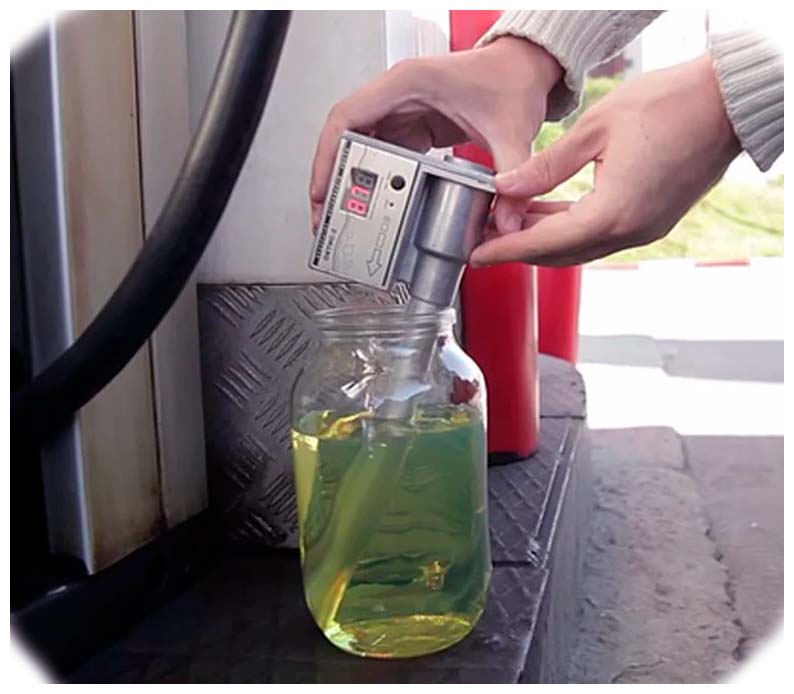
Sometimes, you might even see little bits of sediment or rust floating around at the bottom of the tank or fuel container. It's like finding unexpected grit at the bottom of your coffee cup – definitely not part of the plan!
When Your Engine Starts Complaining
Sometimes, the signs are less about what you see or smell, and more about what you feel (or hear!) when you try to start your engine. If your lawnmower sputters like it's trying to clear its throat, or your generator sounds like it's got a bad case of the hiccups, bad gas might be the culprit.
Your engine might have trouble starting, run really rough, hesitate, or even stall out completely. It's like trying to run a marathon on a diet of stale crackers and sour milk – your engine just isn't getting the good stuff it needs to perform. You might even see that dreaded Check Engine light pop on in your car – its way of saying, 'Hey, something's definitely off, and I'm not feeling so hot!'

Where Does This Sneaky Bad Gas Hide?
As we hinted earlier, this isn't usually an issue for the car you drive every day, as you're constantly refreshing its fuel supply. No, bad gas is typically the villain lurking in vehicles or equipment that sit idle for long stretches.
Think about your trusty lawnmower that spends six months waiting for spring, or the generator that only gets fired up during emergencies. That jerry can of gas for the leaf blower? If it’s been sloshing around in your shed for a year, it’s a prime suspect. Even that beautiful classic car you bring out for special occasions can fall victim if the fuel isn't properly stored or stabilized. Over time, gasoline can degrade and even attract moisture (condensation!), which speeds up the 'bad' process. It's like leaving an open bag of chips out in the humidity – they just don't stay fresh!
So, Why Should You Even Bother Caring? (Beyond the Sniff Test!)
Okay, so now you know how to spot the grumpy, expired fuel. But why go through all this trouble? Can't you just, you know, burn it anyway?
Well, my friend, trying to make your engine run on bad gas is like asking your body to perform at its best after a week of eating only stale doughnuts. It's going to protest! And those protests can be expensive.
Think about clogged fuel filters, gunked-up carburetors, damaged fuel pumps, or ruined fuel injectors. These aren't cheap fixes! We're talking hundreds, sometimes even thousands, of dollars to get your precious machine purring again. Imagine getting a bill that big just because of a forgotten gas can! Ouch.
Beyond the wallet-whammy, there's the sheer frustration. Imagine trying to mow your lawn on a beautiful Saturday, only for your mower to refuse to start. Or needing your generator during a blackout, and it just sits there, silent and useless. It's like showing up to a party with flat tires – a total buzzkill! Plus, bad gas can cause your engine to run less efficiently, burning more fuel and producing more emissions, which isn't great for your pocket or the planet.

Taking a moment to check your stored fuel is a small effort that can prevent a giant headache and keep your machines running smoothly, happily, and reliably for years to come. It’s like giving them a healthy meal – they’ll thank you for it!
A Little Bit of Prevention Goes a Long Way
A quick tip to avoid this whole drama: if you know fuel will be sitting for a while, consider using a fuel stabilizer. It’s like a little preservative for your gas, keeping it fresh for longer. And always try to use the freshest fuel possible for your stored equipment.
So, next time you're about to fire up that seasonal equipment or refill a gas can that's been chilling for a bit, take a moment. Give it a sniff, a peek, and listen to what your engine is telling you. A little bit of awareness can save you a lot of grief and keep all your wonderful gadgets and vehicles running like a dream. Happy motoring (and mowing, and generating!)