How Can I Test My Carbon Monoxide Detector

Hey there, safety superstar! Let’s chat about something super important, but we’ll keep it fun, I promise. We’re talking about your carbon monoxide (CO) detector – that silent guardian in your home that works tirelessly against an invisible enemy. Sounds a bit dramatic, right? But CO truly is the silent killer, and we want to make sure your protector is always on its A-game.
You know how some things are incredibly important but also kinda boring to think about? Well, CO detectors fit that bill perfectly. But luckily, making sure yours is ready for action isn't like trying to assemble IKEA furniture with a tiny Allen wrench and no instructions. It's actually super simple, and we're going to walk through it with a few chuckles along the way.
Method 1: The "Test" Button – Your Detector's Little Check-Up
This is probably the most common and easiest way to give your CO detector a quick health check. Think of it as a mini annual physical, but for your gadget, and you don’t even need to make an appointment!
Must Read
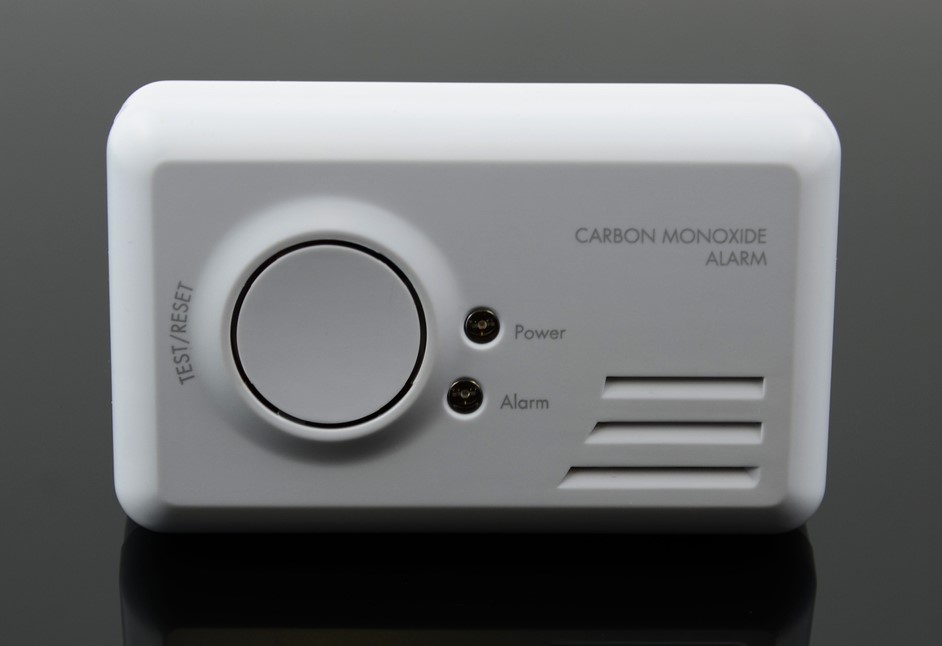
Most modern CO detectors come equipped with a little button, often labeled "Test" or "Test/Reset." It’s usually pretty obvious, so no need to play detective here. It’s definitely not a snooze button, so don't press it hoping for five more minutes of peace!
To test it, simply press and hold that button for a few seconds. What should happen? A very loud, very distinct alarm. It might sound like a banshee, or a really angry robot, but that’s a good sign! It means the alarm function is working.

A little heads-up: This alarm is loud for a reason – it's designed to wake you up from a dead sleep! So, maybe warn the cat, the dog, and any unsuspecting housemates before you unleash the noise monster. You might even want to cover your ears; your eardrums will thank you.
What if it doesn't go off? Uh oh. That’s like a car not starting when you turn the key. First, check the batteries! Most detectors will chirp annoyingly when batteries are low, but sometimes they just silently give up the ghost. If fresh batteries don't revive it, it might be time for a new detector. They don't last forever, you know.
Method 2: The Canned CO Test – For the Extra Cautious (or Just Curious!)
Feeling a bit like a mad scientist today? Or just want to be extra, extra sure that your detector’s 'nose' is working, not just its 'voice'? Then the canned CO test is for you! This method actually tests the sensor itself, which is a step beyond just checking the alarm function.

You can buy special cans of non-toxic, harmless CO gas, often labeled "CO Detector Test Spray." Make sure you get the right stuff – don't go spraying furniture polish or hairspray at it; that's just asking for a sticky situation and a very confused detector!
The instructions will be on the can, but generally, you'll hold the can a certain distance from your detector (usually 1-2 feet) and give it a short burst or two. You're essentially giving it a tiny, harmless whiff of what it's supposed to detect, just to make sure its little sensor is working properly.
Again, brace yourself! If the sensor is working, the alarm should blare like crazy. If it doesn't, well, you know the drill: batteries first, then consider a replacement. This method is like making sure your smoke detector isn't just screaming because it heard a loud noise, but because it actually smells smoke.
Important Reminders and Friendly Nudges:
- How Often? Give that "Test" button a press once a month. It's a tiny habit for enormous peace of mind.
- Battery Swaps: Replace your batteries at least once a year, or whenever the detector starts its annoying low-battery chirp. A good rule of thumb is to do it when you change your clocks for Daylight Saving Time – "spring forward, fall back, swap batteries!"
- Expiration Dates: Surprise! CO detectors don't last forever. They actually have an expiration date, usually 5-7 years from the date of manufacture. Check the back of your unit; there'll be a "replace by" date. Mark it on your calendar, or even better, just replace it proactively every 5-7 years. They don't get better with age, like a fine wine; they just get less reliable!
- Placement Matters: Make sure you have CO detectors on every level of your home, especially near sleeping areas. Remember, CO rises, so don't put it on the floor. And definitely not in the oven – that’s for cookies, not detectors!
So there you have it! Testing your carbon monoxide detector is not scary, not complicated, and definitely not boring when you approach it with a little playful spirit. You're not just pressing a button; you're taking a proactive step to protect your loved ones from an unseen danger.
You’re practically a superhero, keeping your home safe and sound! Go forth, press those buttons, sniff out those sensors, and enjoy the priceless peace of mind that comes with knowing you've done your part. You're amazing, and your home is now even safer because of you. Keep shining, you safety rockstar!