How Can I Find Out Where My Septic Tank Is

Let's be honest: "Finding your septic tank" probably isn't topping anyone's list of thrilling weekend adventures. It lacks the glamour of a treasure hunt and the immediate gratification of assembling IKEA furniture. And yet, there’s a quiet, profound satisfaction that comes with truly understanding your home's hidden infrastructure. It's the ultimate 'adulting' achievement – mastering your own domain, right down to its underground utilities. The joy, you see, isn't in the digging itself, but in the peace of mind and empowerment that knowing brings.
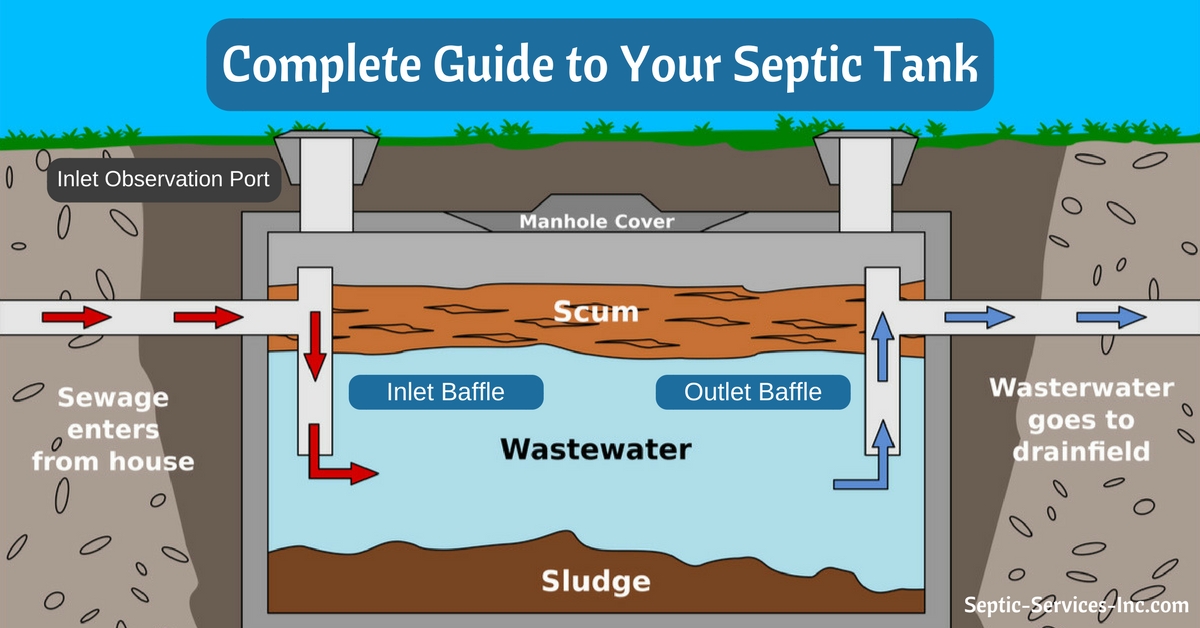
So, why would anyone want to embark on this subterranean quest? Because your septic tank is a vital piece of your home's anatomy, quietly processing all the wastewater from your sinks, showers, and toilets. Knowing its location is critical for a myriad of reasons, primarily for proper maintenance. Septic tanks need to be pumped every 3-5 years to prevent sludge buildup and ensure the system functions efficiently. Without knowing where it is, you're essentially playing a high-stakes game of hide-and-seek with potential plumbing disasters. This knowledge saves you money, prevents environmental hazards, and ensures your home continues to run smoothly, preventing those dreaded, smelly backups that no one wants to experience.
Common scenarios where this knowledge becomes invaluable pop up more often than you might think. Imagine planning a new deck, planting a tree, or installing a fence – digging blindly could lead to a catastrophic rupture of your tank or drain field. If you're experiencing slow drains or foul odors in your yard, knowing the tank's location is the first step in diagnosing a problem. Homebuyers and sellers also find this information crucial; a clear understanding of the septic system's layout and condition is often required for inspections during property transactions. It's not just about emergencies; it's about being a responsible and proactive homeowner.
Must Read
Ready to unearth your hidden hero? Here are some practical tips to make your septic tank scavenger hunt more effective, and dare we say, enjoyable:
- Start with the paperwork: Before you grab a shovel, check your home’s original blueprints, property surveys, or previous inspection reports. County health departments or building permit offices often have records of septic system installations. This is often the quickest and cleanest path to discovery.
- Follow the clues: Head to your basement or crawl space and locate the main drain line as it exits your house. Your septic tank is typically within 10-25 feet of this exit point, usually on the same side of the house. Look for subtle signs in your yard: areas of unusually lush or dark green grass (which can indicate a drain field), slight depressions, or even old, forgotten vent pipes sticking out of the ground.
- The Probe Method: Arm yourself with a long, thin piece of rebar or a metal probing rod. Starting from where the main line exits your house, begin systematically probing the ground in a grid pattern. Push the rod into the soil; when you hit something solid and flat that isn't rock, you might have found your lid! Septic tanks are usually concrete, fiberglass, or plastic.
- Call in the pros: If all else fails and you're drawing a blank, don't hesitate to hire a professional. Plumbers or septic service companies have specialized equipment like sonic locators or sewer cameras that can trace your main line directly to the tank. It might cost a bit, but it saves you time, effort, and potential damage.
Once you’ve successfully located your septic tank, mark its position with something non-intrusive but identifiable – a garden gnome, a decorative rock, or even a buried RFID tag. This way, future maintenance or projects will be a breeze, and you can enjoy the ultimate satisfaction of being a true master of your domain, inside and out.