
How Can I Check My Routing Number
Okay, picture this: I'm at the farmer's market, ready to buy the most ridiculously oversized zucchini I've ever seen. I pull out my checkbook, all confident and prepared... only to realize I have no clue where my routing number is. I felt like a total goofball! Turns out, it's something we all need from time to time. So, if you’ve ever been in a similar zucchini-induced panic, fear not! Let’s break down how to find that elusive routing number.
What exactly is a routing number anyway? Well, think of it as your bank's address on the internet. It’s a nine-digit code that identifies your bank to other financial institutions. It's absolutely crucial for things like direct deposits, automatic payments, and wire transfers. Basically, anything that involves money moving electronically needs this magical number.
So, where do you find this essential piece of information? Let's explore the options!
Must Read
Option 1: The Trusty Check
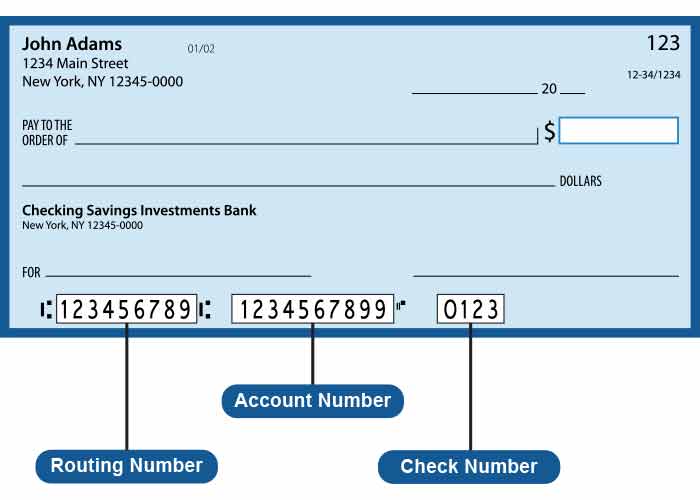
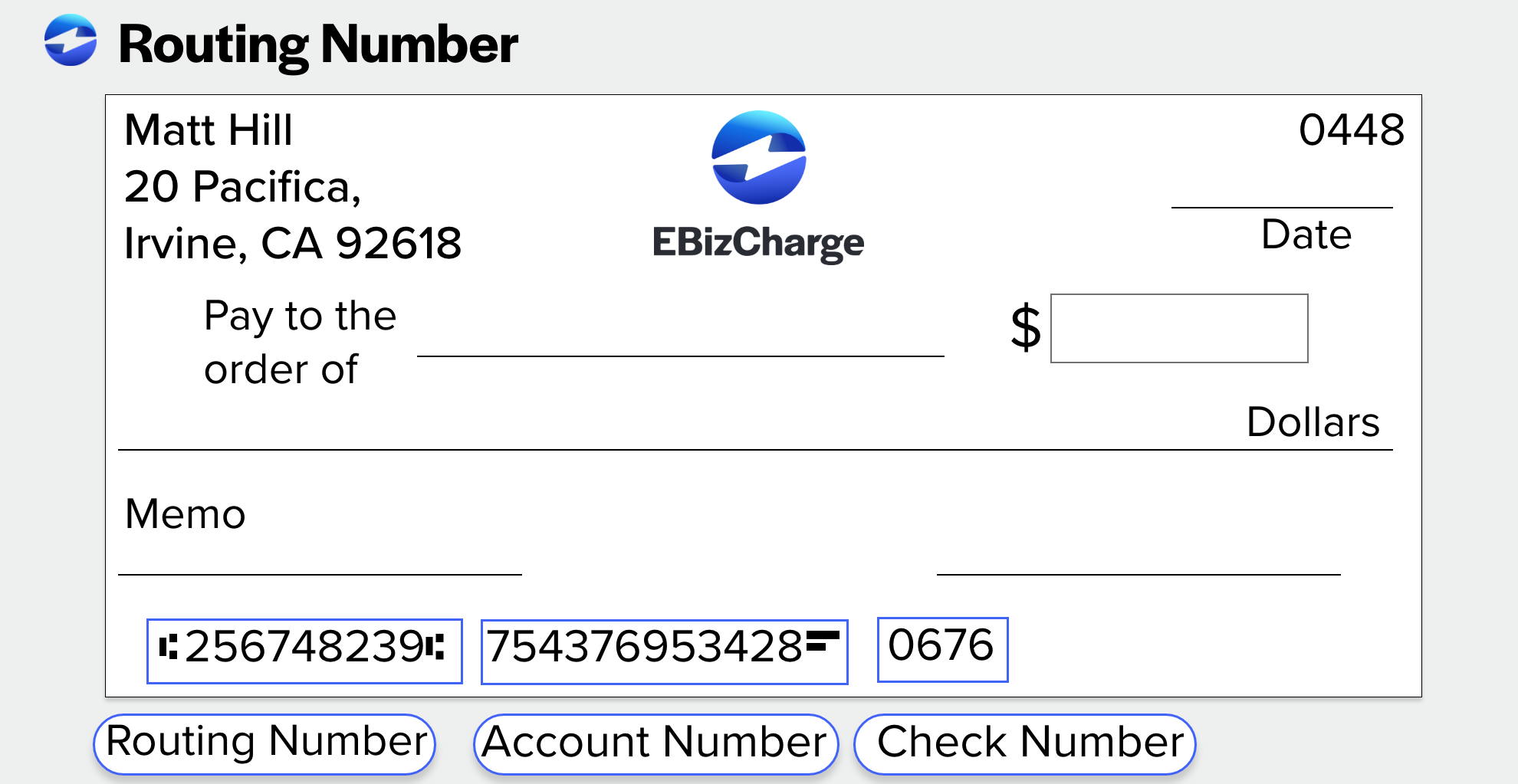
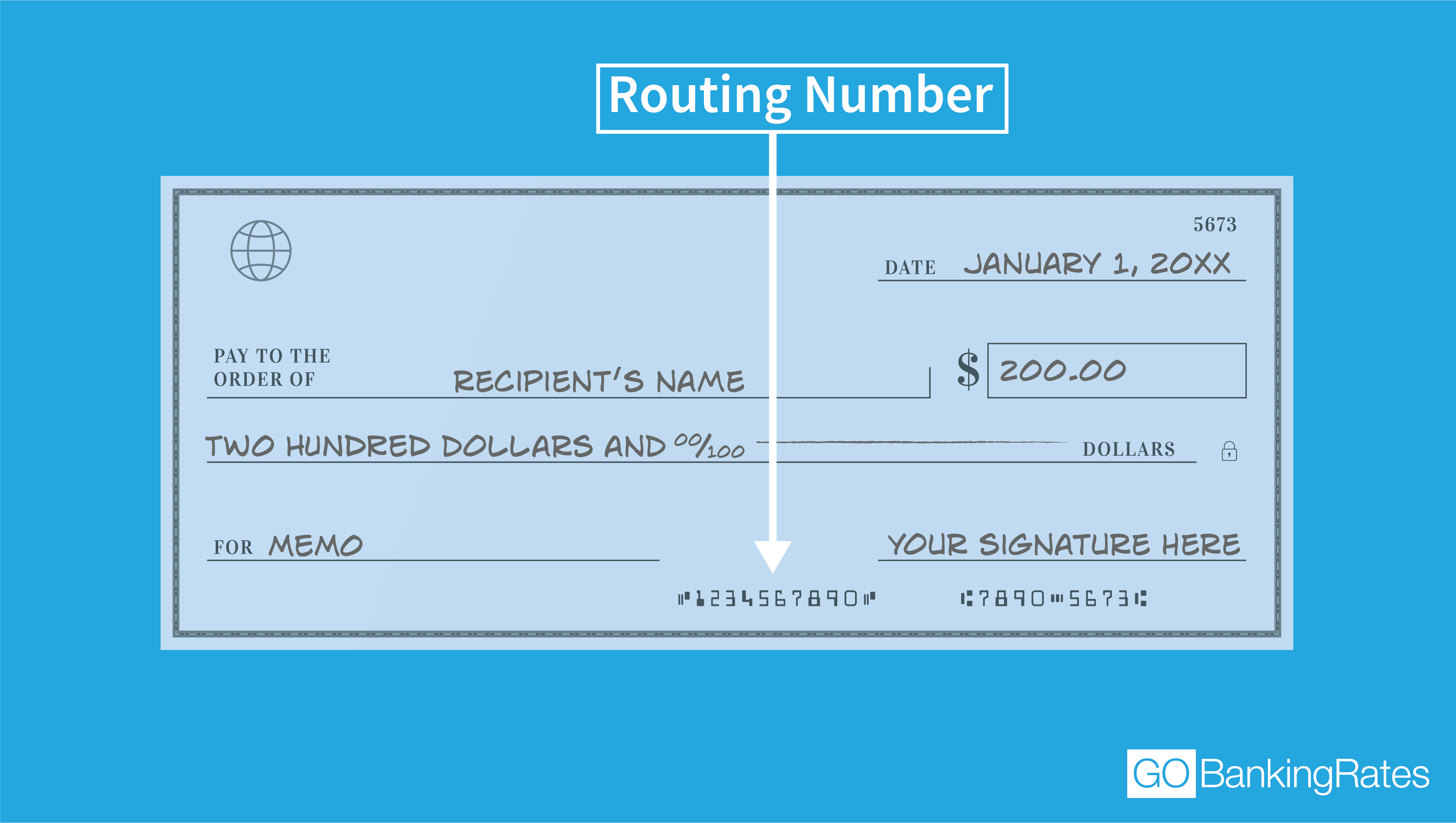
This is probably the easiest and most common way. Look at the bottom left-hand corner of your checks. You'll see a string of numbers. The first nine digits are your routing number. Easy peasy, right? (Unless, of course, you’re at the farmer's market and, like me, realize you’ve left your checkbook at home. Don't be me.)
Pro Tip: Make sure you're looking at a personal check. Business checks might have slightly different formatting.
Option 2: Online Banking to the Rescue!
In this digital age, most banks have excellent online banking platforms. Simply log in to your account. The location of your routing number will vary depending on your bank's interface, but it's usually found in one of these places:
- Account details or summary page
- Direct deposit information
- Help or FAQ section (search for "routing number")
Seriously, poke around. It's usually pretty straightforward. If you still can’t find it, don’t hesitate to use the bank’s search bar. Type in "routing number" and see what pops up.
Side Note: If you haven’t explored your bank's online portal lately, you might be surprised at how much you can do! Paying bills, transferring funds... it's all at your fingertips. Embrace the future!
Option 3: Your Bank's Website (The Public Face)
Most banks will list their routing number on their website, usually in the FAQ or contact us sections. This is especially helpful if you don't have an account yet, but need the routing number for something like setting up a new account.
Warning: Be extra careful that you are on the legitimate bank website. Scammers are clever, and they can create fake websites that look incredibly real. Always double-check the URL and look for security certificates (that little padlock icon in your browser's address bar).

Option 4: Give 'Em a Ring!
Sometimes, the old-fashioned way is the best. Call your bank's customer service line. They'll be happy to provide you with your routing number. Just be prepared to answer some security questions to verify your identity. (They need to make sure you are who you say you are. Think of it as a digital handshake.)
A little ironic, isn't it? Using a phone to get the routing number you need for online transactions. But hey, whatever works!

Option 5: That Stack of Bank Documents You Keep Meaning to Organize
Okay, be honest: how many of us have a drawer or folder overflowing with bank statements and account agreements? (I know I do!) Your routing number is likely printed on these documents, so it might be worth a quick (or not-so-quick) rummage.
Confession time: I once found a ten-dollar bill while searching for my routing number in my chaotic document stash. So, you never know what treasures you might uncover!
In Conclusion (and Hopefully, No More Zucchini Panic!)
Finding your routing number shouldn’t be a stressful ordeal. With these five options, you should be able to track it down in no time. Whether you’re setting up direct deposit, paying bills online, or just trying to buy a gigantic zucchini at the farmer's market, knowing where to find your routing number is a valuable skill. Happy banking!