How Big Should A Cat Litter Box Be
Okay, so you're thinking about litter boxes, huh? Exciting stuff! Seriously though, finding the right litter box is like finding the perfect pair of jeans – crucial for happiness and avoiding…well, accidents. The big question, of course, is: how big should that magical sandpit be?
Let's get one thing straight: size absolutely matters. Imagine trying to do yoga in a phone booth. Not ideal, right? Your cat feels the same way about a too-small litter box. They need room to turn around, dig, and, you know, do their business comfortably. Don't we all?
The Golden Rule (and it’s not about gold litter!)
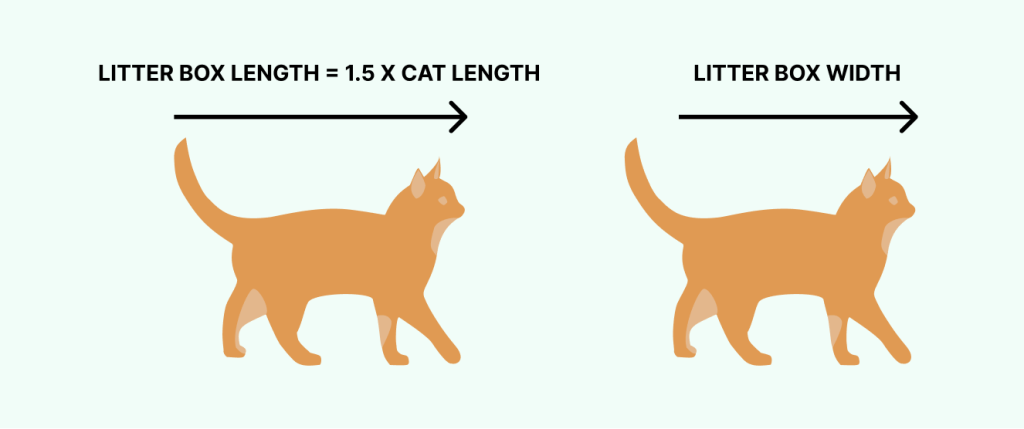
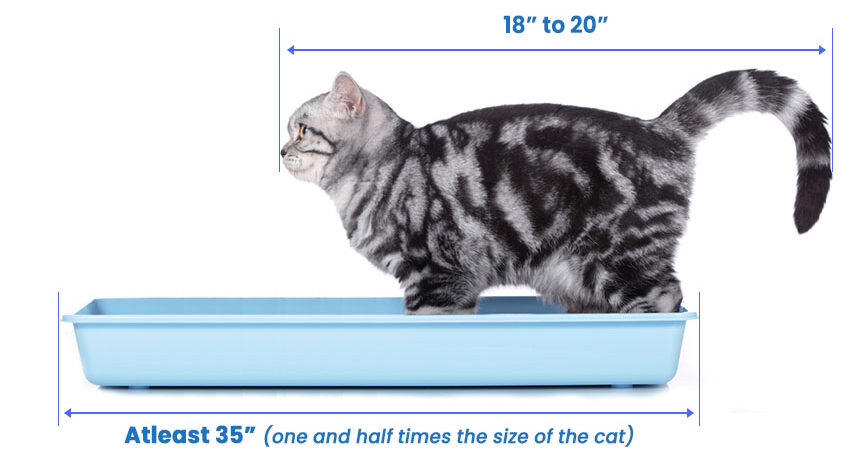
Here's the rule of thumb everyone throws around: the litter box should be at least 1.5 times the length of your cat. Yep, you gotta measure your feline friend. But how? Wait 'til they're napping, grab a measuring tape, and gently measure from nose to the base of their tail. Don't try this while they're eating – trust me.
Must Read
So, if Mittens is 12 inches long, you’re aiming for a box that's at least 18 inches in length. Easy peasy, right? Well, mostly. There's always a "but," isn't there?
Why Bigger is (Usually) Better
Listen, nobody ever complained about having too much space. And cats? They’re generally fans of spacious accommodations. A bigger box allows them to:
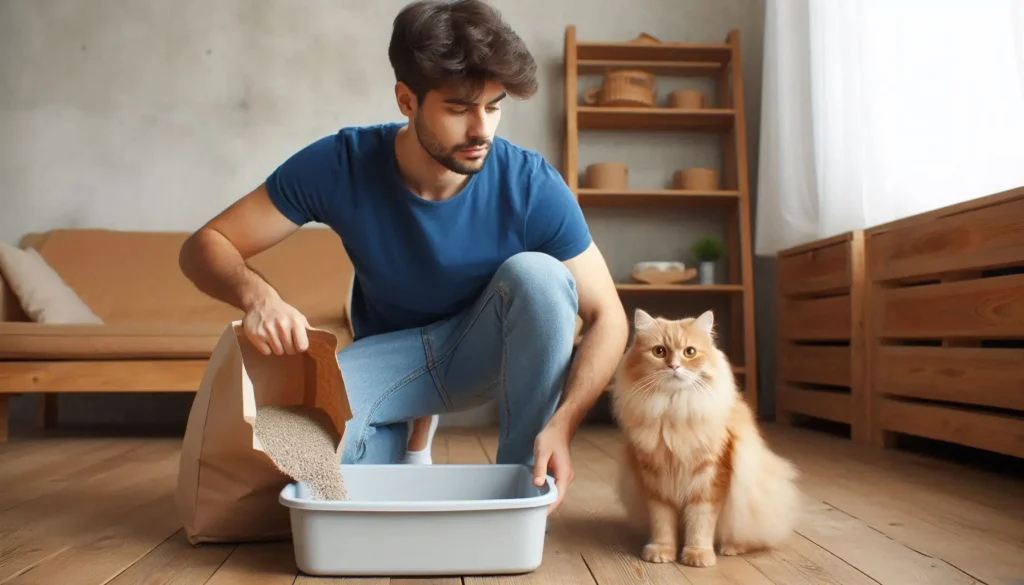
- Dig to their heart's content: They can really get in there and bury their treasures! (You're welcome.)
- Find a clean spot: Even if you're diligent about scooping, a larger box gives them more fresh territory.
- Avoid feeling cramped: Nobody likes feeling cornered, especially not a creature who already believes they rule the house.
Think of it this way: would you prefer a tiny airplane bathroom or a spacious public restroom? (Okay, bad example about public restrooms...but you get the idea!)
Exceptions to the Rule (Because Life is Complicated)
Now, sometimes bigger isn’t always better. For example:

- Kittens: A giant box might be intimidating or difficult for tiny kittens to navigate. Start with something smaller and gradually increase the size as they grow.
- Senior Cats or Cats with Arthritis: High sides can be a challenge for older cats with joint problems. Look for low-entry boxes or consider cutting down the sides of a regular box.
- Space Constraints: Let's be real, not everyone lives in a mansion. If you're tight on space, do the best you can with what you've got. Just prioritize a longer box over a super narrow one.
And hey, if your cat refuses to use a giant box, don’t force it. Cats are quirky creatures. It might be too open for their liking; sometimes they prefer a covered box for a sense of security (think of it as their own private bathroom stall!).
Material Matters (Sort Of)
Beyond size, think about the material. Most litter boxes are plastic, which is fine, easy to clean, and affordable. Just make sure it's durable and doesn't have any sharp edges. You wouldn't want Mittens getting a paper cut equivalent on her little toe beans, would you? (Okay, it's probably not possible...but still!).
The Ultimate Test: Cat Approval
Ultimately, the best way to determine the right size litter box is to see what your cat prefers. If they're happily using the box, burying their business like Olympic gold medalists, and not having accidents outside the box, you're probably on the right track.
If, however, you're finding "presents" outside the box, it might be time to experiment with different sizes, shapes, and even types of litter. It’s a process! And remember, a happy cat makes for a happy you. So go forth and conquer the litter box aisle! Good luck, you've got this!