
How Are Renewable And Nonrenewable Resources Difference
Hey there! Ever wonder what's the deal with renewable and nonrenewable resources? It's actually pretty simple, and kinda crucial to, you know, the whole planet-saving thing. Grab your coffee, let’s dive in!
Okay, first up: Renewable resources. Think of them like that friend who always has your back and seems to magically replenish themselves. They're resources that naturally get replaced over a relatively short period. How short? Well, compared to, say, millions of years (geez, imagine waiting that long!), it’s a blink of an eye.
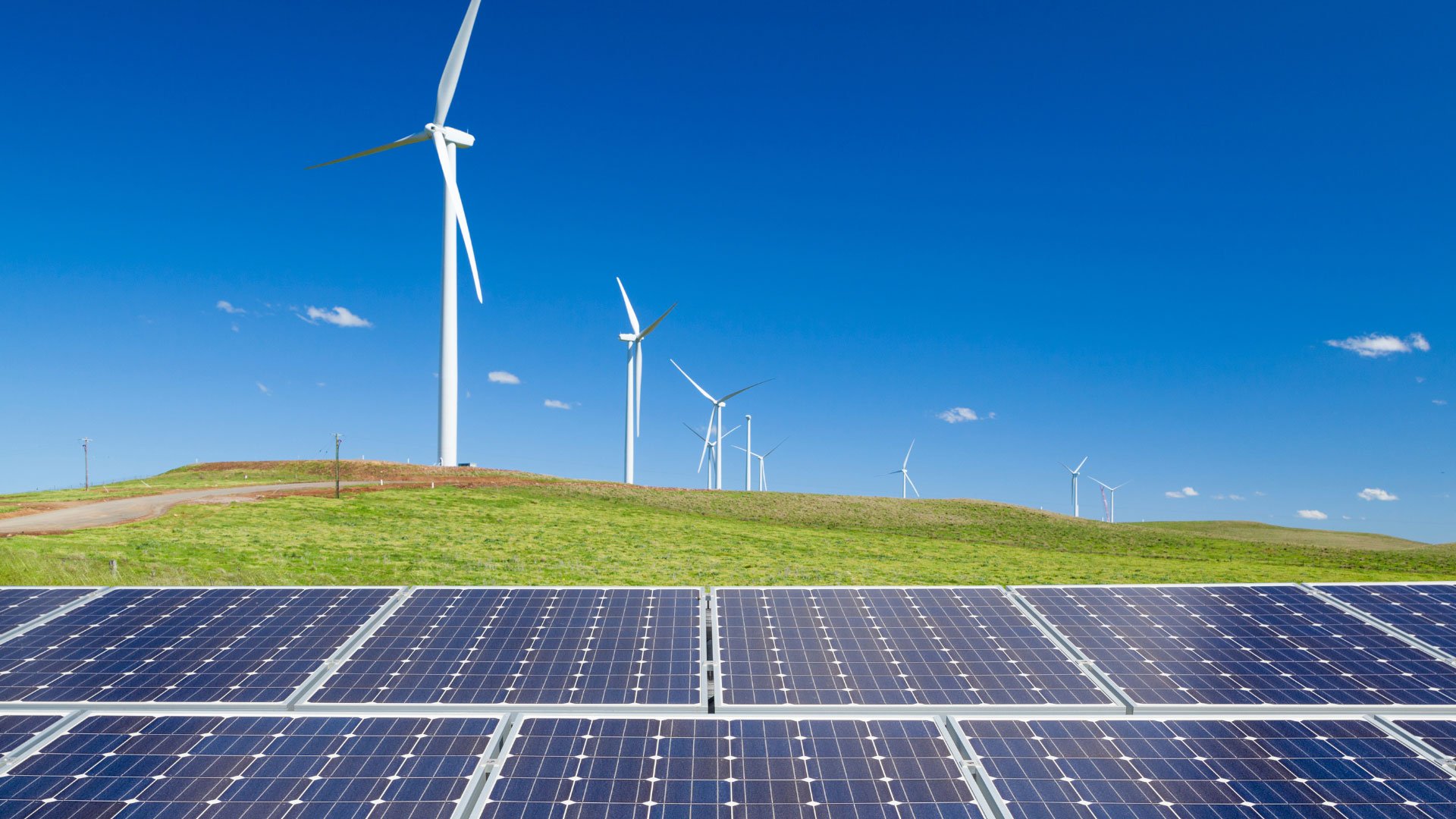
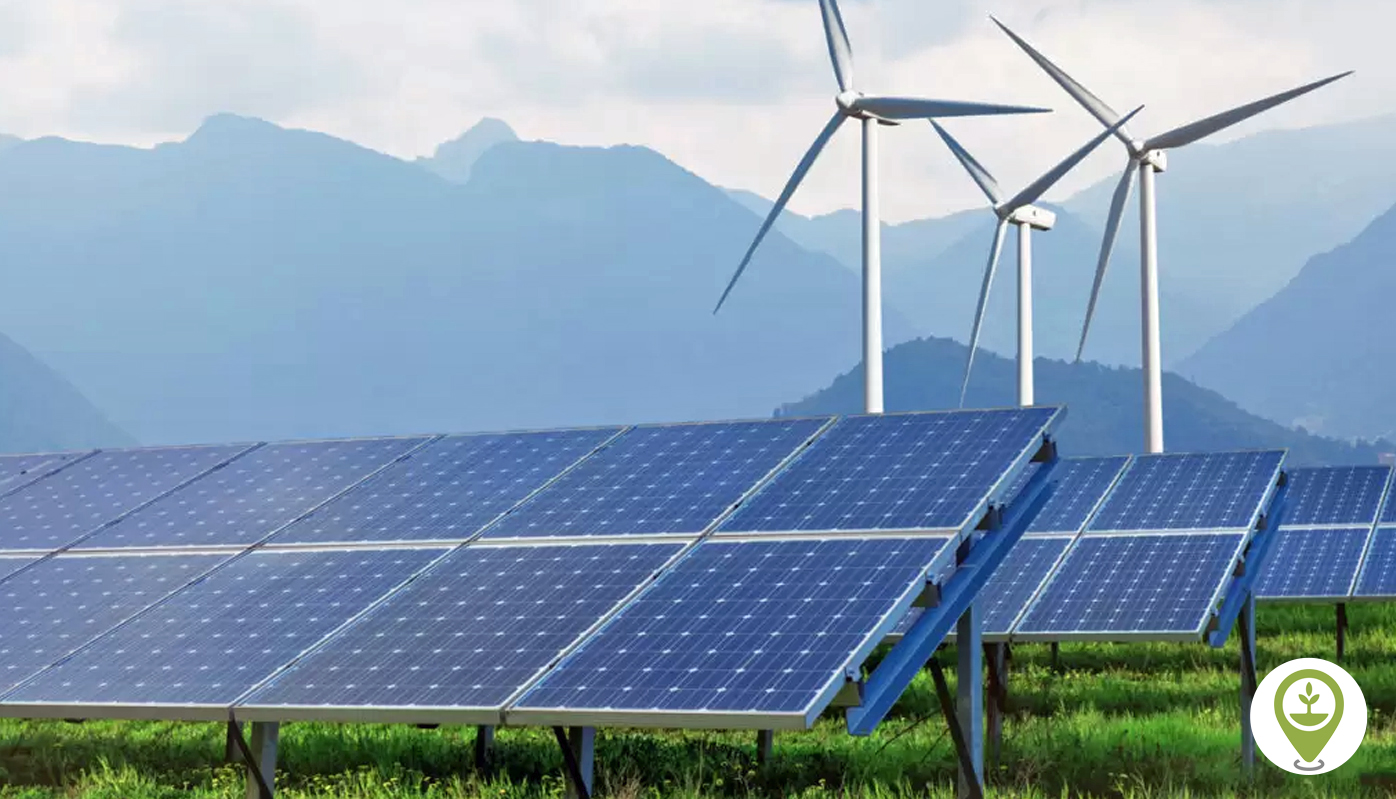
What are we talking about? Things like solar energy (thanks, giant sun!), wind power (whee!), hydroelectric power (waterfalls!), and geothermal energy (hello, Earth's core!). See? All pretty readily available… assuming the sun keeps shining, the wind keeps blowing, and the Earth doesn’t suddenly decide to cool down completely. Knock on wood!
Must Read
The great thing about renewables? They're, well, renewable! Meaning, in theory (and with proper management, of course), we can use them forever without running out. Isn’t that a comforting thought? Less stress, more sustainable energy. It's a win-win!
Solar power, for instance. We can build solar panels to capture sunlight and turn it into electricity. And guess what? The sun’s been around for billions of years (and is expected to stick around for billions more!). Talk about a reliable energy source!
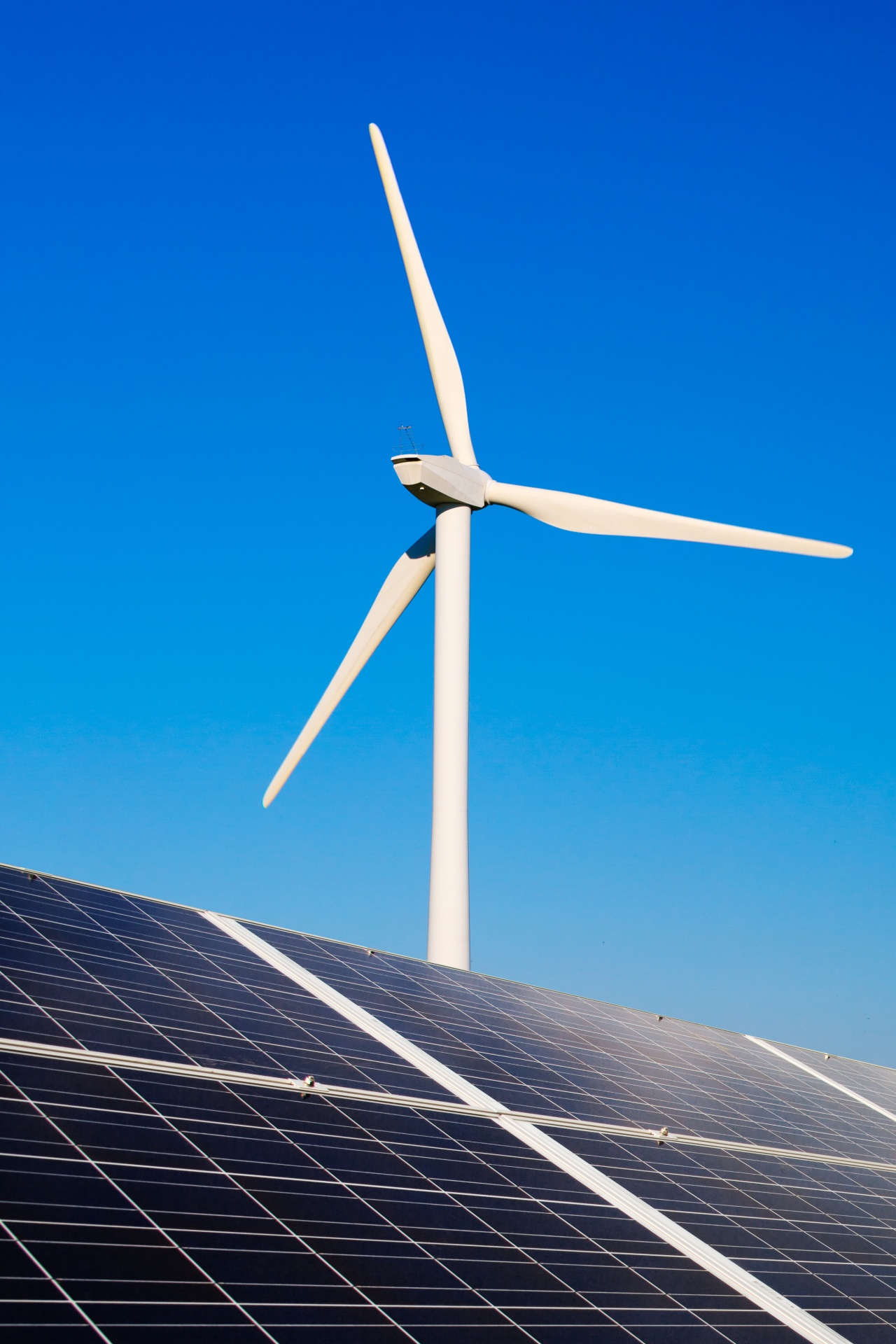
And then there’s wind energy. Remember those cool windmills? They're not just pretty; they’re harnessing the power of the wind. As long as the wind blows (and let's be honest, it usually does somewhere), we can generate electricity. Score!
Now, let's switch gears to the darker side… just kidding! But seriously, let's talk about nonrenewable resources. These are the resources that are finite, meaning they exist in limited quantities. Once they're gone, they're gone. Kaput. Finito. Like that last slice of pizza... sob!
These include fossil fuels like coal, oil, and natural gas. We dig them up (or drill for them), burn them to generate energy, and…poof! They're used up. And the problem is, they take millions of years to form. So, not exactly a quick turnaround, huh?
Think about it: dinosaurs roamed the Earth, died, got buried, and over millions of years, transformed into…oil! Imagine waiting that long to fill up your car! Yeah, not practical.
Coal, oil, and natural gas have been powering our world for a long time. They're relatively cheap (for now, anyway) and readily available (again, for now). But burning them releases greenhouse gases, which contribute to climate change. Big bummer, right?
And then there’s nuclear energy, which uses uranium, a nonrenewable resource. Nuclear power doesn't directly emit greenhouse gases during operation (yay!), but there are concerns about nuclear waste disposal (yikes!) and the potential for accidents (double yikes!).
So, what's the big difference?
Okay, to recap, the main difference is replenishment rate. Renewable resources can be replenished relatively quickly, while nonrenewable resources take millions of years (or, you know, can't be replenished at all!).
Think of it like this: renewable resources are like the unlimited breadsticks at your favorite restaurant (yum!), while nonrenewable resources are like that one, perfect, limited-edition cookie you savor slowly (and then it’s gone forever… sad face).
The bottom line? We need to shift towards using more renewable resources and less nonrenewable ones. It's not just about being "green" (though that’s a bonus!); it's about ensuring a sustainable future for ourselves and generations to come. Think about your grandkids! Wouldn't you want them to have a planet to live on?
Making the switch to renewables isn't always easy. There are technological challenges, economic considerations, and infrastructure changes needed. But it's a necessary step if we want to keep our planet healthy and happy (and avoid running out of pizza... er, resources!).
So, there you have it! Renewables vs. Nonrenewables. Hopefully, now you can impress all your friends at the next coffee shop meetup with your newfound knowledge. And who knows, maybe you’ll even inspire them to go solar! You go, eco-warrior!