
How Are Renewable And Nonrenewable Resources Alike
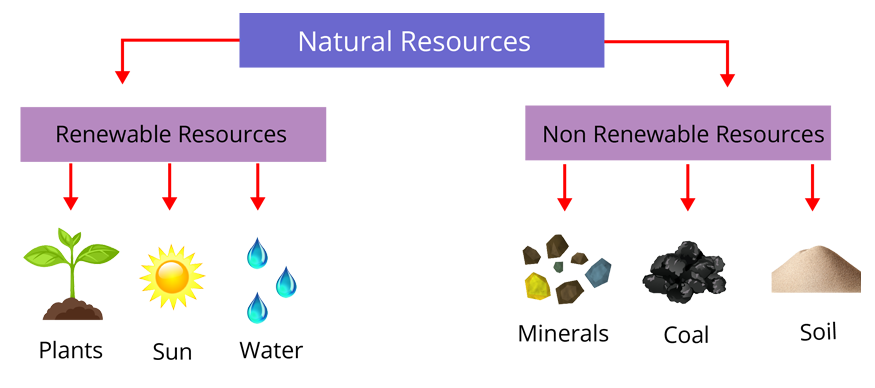
Okay, so we're all buzzing about "going green," renewable energy, and saving the planet. But sometimes, the difference between renewable and nonrenewable resources feels like trying to understand the plot of Inception after a triple espresso. Let's break it down, and you might be surprised to find out they have more in common than you think!
Shared Ancestry: From the Earth Itself
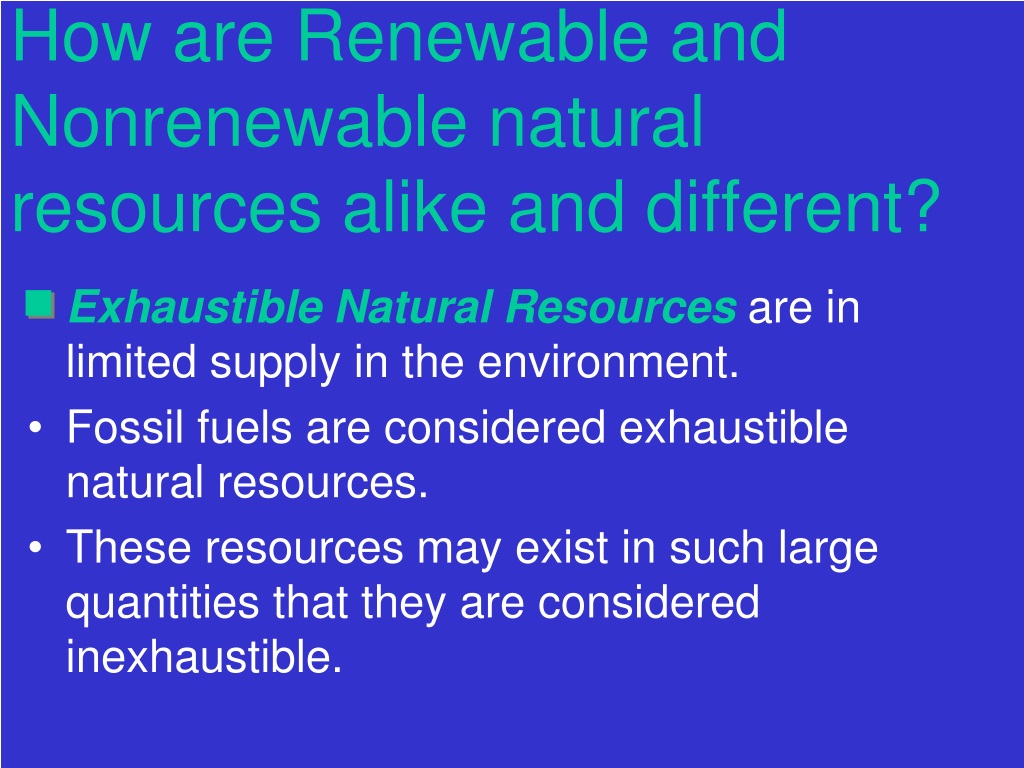
First things first, both renewable and nonrenewable resources originate from our amazing planet. Think of Earth as the ultimate creative genius, constantly churning out materials. The key difference lies in how quickly these materials can be replenished.
Fun Fact: Did you know that all the gold ever mined could fit into about three and a half Olympic-sized swimming pools? That's a lot of bling, but still a finite amount!
Must Read
Both types of resources are also crucial for modern life. We need energy, period. Whether it's powering your phone (guilty as charged!), heating your home, or fueling industries, we rely on them. The debate is simply about how sustainably we meet these needs.
The Energy Equation: Transformation is Key
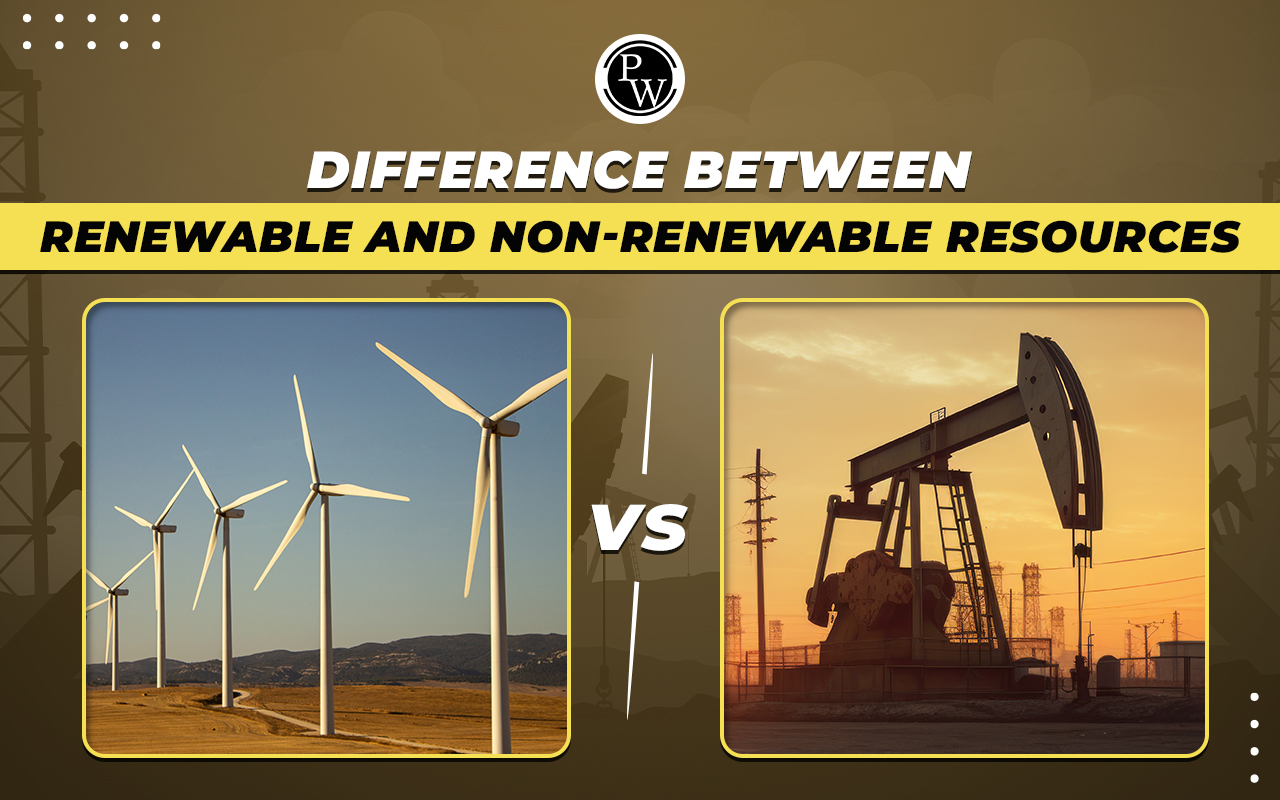
Here's where things get really interesting. Both renewable and nonrenewable resources undergo transformations to become usable energy. Coal, oil, and natural gas (nonrenewable) are burned to create heat, which then generates electricity. Similarly, sunlight (renewable) is converted into electricity by solar panels. Wind (renewable) spins turbines, creating mechanical energy, which is then turned into electricity.
Essentially, it's all about taking what Mother Earth provides and converting it into a form we can use. Think of it like cooking: raw ingredients (resources) need processing to become a delicious meal (energy).
Infrastructure and Investment: The Common Denominator
Whether it's building a coal-fired power plant or a massive wind farm, both renewable and nonrenewable energy require significant infrastructure and investment. We need pipelines to transport oil and gas. We need transmission lines to carry electricity from solar farms to our homes. This shared need for infrastructure highlights the complexities and costs associated with any energy source.

Practical Tip: Support policies that encourage investment in both renewable energy infrastructure and upgrades to existing grids. A smarter grid benefits everyone!
Economic Impact: Jobs, Jobs, Jobs
Both renewable and nonrenewable resources have a significant impact on the economy. They create jobs in extraction, processing, manufacturing, and transportation. From miners to engineers, wind turbine technicians to solar panel installers, both sectors contribute to employment and economic growth. The type of jobs may differ, but the overall economic contribution is undeniable.
Cultural Reference: Remember the iconic images of coal miners from the early 20th century? Now, imagine the equally powerful images of workers building vast solar arrays in the desert. The landscape of energy production is changing, but the human element remains central.

Environmental Considerations: A Shared Responsibility
While nonrenewable resources often get a bad rap (and often deservedly so!), both renewable and nonrenewable energy sources can have environmental impacts. Mining for coal can disrupt ecosystems. Drilling for oil can lead to spills. Even renewable energy sources aren't without their challenges. Large-scale solar farms can impact desert habitats, and wind turbines can pose risks to birds. The point is, we need to carefully consider the environmental consequences of all energy choices.
Bold statement: The goal isn't to demonize one type of resource while blindly praising another. It's about making informed decisions based on a full understanding of the impacts and benefits.
Practical Tip: Educate yourself about the environmental impact of different energy sources. Support companies and initiatives that are committed to minimizing their environmental footprint.
A Call to Action: Thinking Bigger
Ultimately, the similarities between renewable and nonrenewable resources highlight the interconnectedness of our energy system. They all play a role, they all have impacts, and they all require responsible management. The challenge is to transition towards a more sustainable energy future while meeting the growing demands of a global population. It's a complex problem, but one that we can tackle together.
So, what can you do today? Maybe it's switching to energy-efficient light bulbs. Maybe it's advocating for policies that support renewable energy. Maybe it's simply having a conversation about the energy choices you make every day. Small actions, collectively, can make a big difference. And remembering that both types of resources come from the same Earth, and require consideration, will help create a more harmonious world.