How Accurate Is The Capital One Credit Score

Okay, picture this: I'm at a farmer's market, eyeing the most gloriously ripe peaches you've ever seen. But my card gets declined. Cue the internal panic spiral. "Did I forget to pay something? Is there identity theft happening RIGHT NOW?!" Turns out, my limit was just unusually low that month. But the whole experience got me thinking: how reliable are these free credit scores we get from apps like Capital One's? Because honestly, a declining credit card at a peach stand is a personal nightmare scenario.
So, let's dive in. You know, that whole "pulling back the curtain" thing. We're all wondering if the credit score Capital One gives us is the real deal. The short answer? It's mostly accurate, but with a few important asterisks.
What Credit Score Does Capital One Use?
First, let's get technical (but not too technical, I promise). Capital One, like many banks and credit card companies, primarily uses the VantageScore 3.0 model. Okay, deep breath. What does that even mean?
Must Read
Basically, VantageScore is one of the two main credit scoring models out there. The other big player is FICO. Both analyze your credit history and spit out a three-digit number that lenders use to gauge your creditworthiness. Think of it like a report card, but for your financial life. And just like report cards, there are different ways to grade.
Side note: Did you know there are actually dozens of different FICO scores? It's a whole rabbit hole. But we'll stick to VantageScore for now.
Why Might It Be Different From Your Score?
Here's the kicker: the VantageScore 3.0 Capital One shows you might not be the exact same score a lender pulls when you apply for a loan or credit card. Why? Several reasons:
- Different Credit Bureaus: There are three major credit bureaus – Experian, Equifax, and TransUnion. Capital One might pull your VantageScore from one bureau, while a lender might use a different one, or even a blend of all three. And each bureau might have slightly different information about you. It's like everyone is getting a slightly different piece of the puzzle.
- Different Scoring Models: Lenders can use different versions of the VantageScore model, or even use a FICO score instead. These different models weigh factors differently. So, you might look great under VantageScore 3.0, but just okay under, say, FICO 8.
- Timing is Everything: Credit scores fluctuate! Literally, daily (well, potentially daily). If you check your Capital One score today and a lender pulls your credit tomorrow, things could have changed. Maybe you paid off a chunk of debt, or a bill went past due. (Hopefully not the latter!)
Remember that time you forgot to pay that library fine? Yeah, credit scores remember things like that.

Is It Still Useful? Absolutely!
Okay, so it's not perfectly precise. But before you throw your phone out the window, hear me out. The score Capital One provides is still incredibly valuable. Think of it as a general guideline, a reliable estimate of where you stand. It's like using a weather app – it's not always 100% accurate, but it gives you a pretty good idea of whether you need an umbrella.
Here's why it matters:
- Monitoring Your Progress: The Capital One score lets you track your credit health over time. Are you seeing it go up? Great! Keep doing what you're doing. Is it dropping? Time to investigate and make some changes to your financial habits.
- Identifying Errors: Regularly checking your credit report (which you can do for free!) can help you spot errors or fraudulent activity that might be dragging down your score. Fixing these errors can significantly improve your creditworthiness. Think of it as spring cleaning for your financial life.
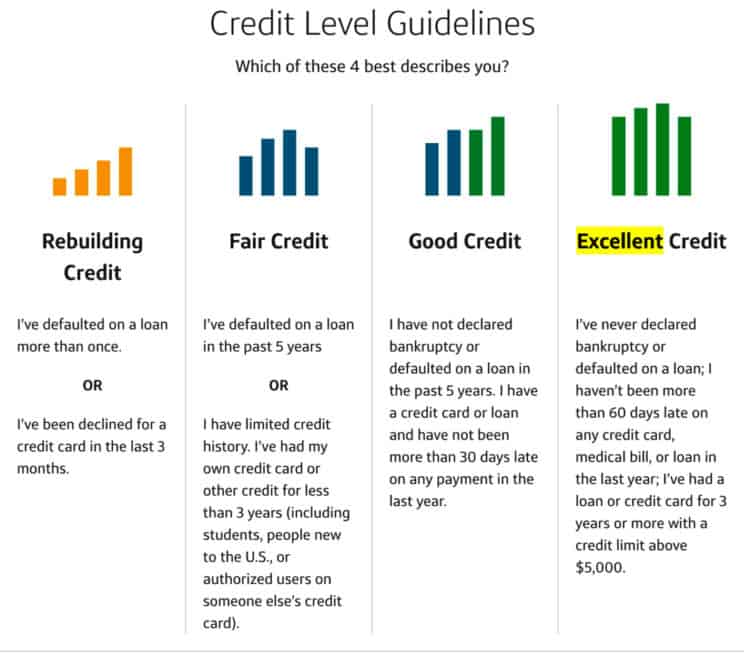
- Understanding Your Credit Profile: The score is a reflection of your credit profile, which includes things like your payment history, credit utilization, and the length of your credit history. Understanding these factors empowers you to make informed decisions about how to manage your credit.
The Bottom Line
The Capital One credit score is a helpful tool for keeping an eye on your credit health. It's not a crystal ball, but it's a pretty darn good indicator of where you stand. Just don't base all your life decisions solely on that one number. Use it as one piece of the puzzle, alongside other information and your own financial intuition. And maybe, just maybe, avoid buying peaches on credit. Cash is always a safe bet!