
Home Security Systems For Dementia Patients

Life's a beautiful, winding road, isn't it? And as we navigate its turns, sometimes our loved ones, especially those living with dementia, need a little extra help to stay safe and sound in the place they cherish most: home. It’s not about building a fortress; it’s about creating a cocoon of comfort, where peace of mind is the ultimate luxury. Think of it less as "security" in the traditional sense, and more as a gentle, invisible hand holding theirs.
Let's dive into how modern home security systems can become incredible allies in dementia care, making daily life smoother for everyone involved.
Beyond the Locks: Smart Solutions for Smart Care
The image of a home security system might conjure up images of blaring alarms and complex keypads. But for dementia patients, and their caregivers, we're talking about something far more nuanced and intuitive. It's about proactive care and subtle safeguards.
Must Read
One of the biggest concerns for families is wandering. It’s a natural instinct for some, a desire to explore or return to a place from their past. This is where modern tech really shines.
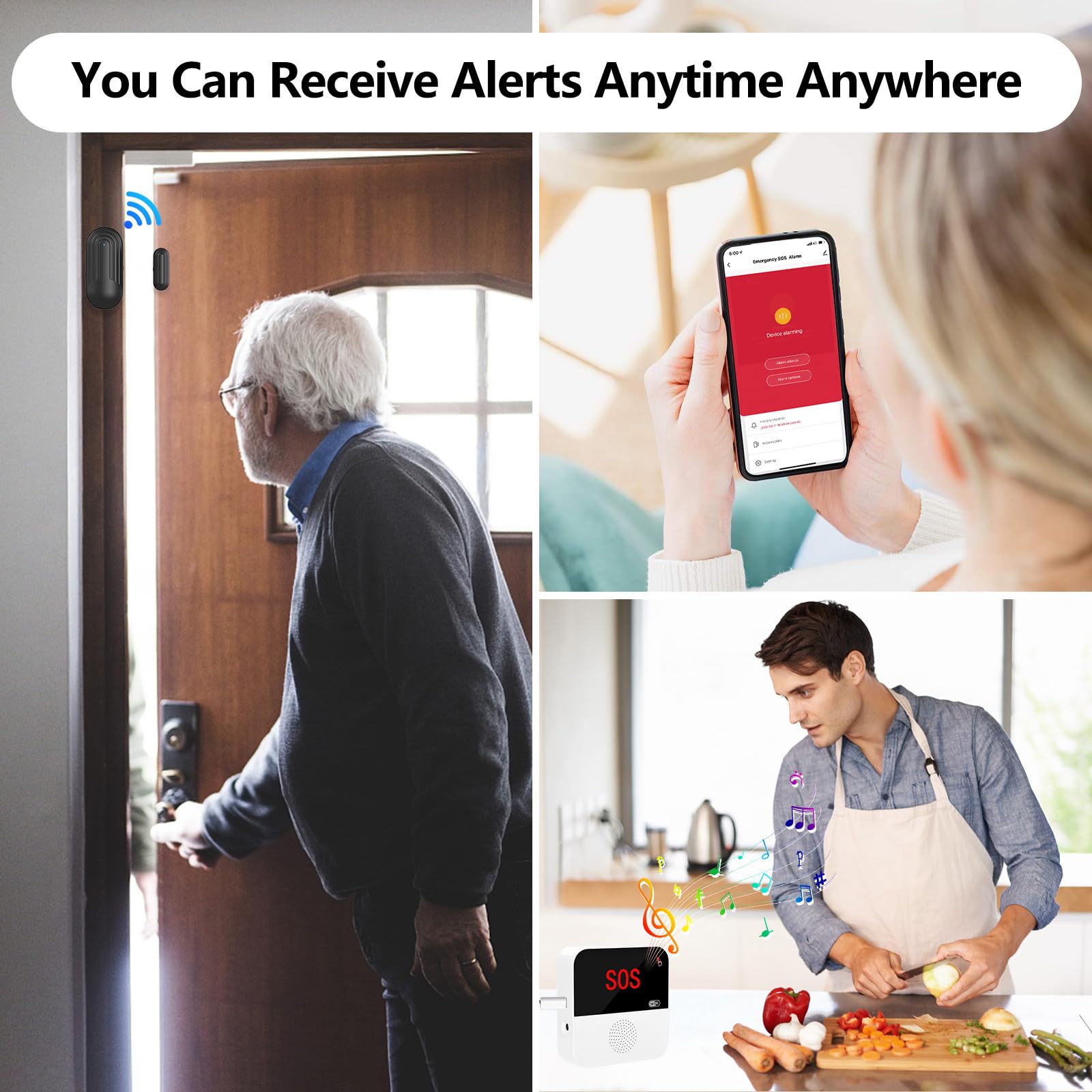
Door and Window Sensors: These are your silent guardians. Placed on exits, they can alert a caregiver (via a phone app, text, or a quiet chime) if a door or window is opened. The beauty here is that the alerts can be customized. Maybe you only want a notification during certain hours, or for specific exits. It’s like having an extra pair of eyes, without being intrusive.
Smart Locks: Imagine never having to worry if the door was left unlocked. Smart locks offer keyless entry, remote locking/unlocking, and even temporary access codes for trusted visitors or emergency services. For caregivers, this means checking in on the home's security status from anywhere. It's the digital equivalent of that satisfying click of a deadbolt, but with superpowers.

Indoor Cameras with Two-Way Audio: Now, this can sound a bit "Big Brother," but hear us out. Placed discreetly in common areas (never private spaces!), these cameras aren't for constant surveillance. They're for quick check-ins. Did Dad get up safely? Is Mom enjoying her afternoon tea? Many even offer two-way audio, so you can say a quick "hello" or provide a gentle reminder without having to physically be there. It's like a digital hug, when you can't be present in person.
More Than Just Entry Points: A Holistic Approach
Security isn't just about doors; it's about the entire environment.
Environmental Sensors: Smoke detectors, carbon monoxide detectors, and even water leak sensors can be integrated into a smart home system. If an appliance is left on or a pipe bursts, caregivers receive immediate alerts. This kind of protection isn't just for peace of mind; it's a genuine life-saver.

Wearable GPS Devices: For those who still enjoy walks or might wander outside the home, a discreet GPS tracker, often disguised as a watch or pendant, can be invaluable. This complements the home system beautifully, extending that protective bubble wherever they go. It's like having a digital guardian angel on their wrist.
Making it Work: Gentle Integration is Key
The trick to successful implementation is gentle integration.
Keep it Simple: Opt for systems that are easy to use, with minimal fuss. For the person living with dementia, the system should ideally be invisible or require no interaction from them.

Professional Installation: Seriously consider professional installation. It ensures everything is set up correctly, minimizes disruption, and allows for proper testing. Plus, they can often offer great advice on optimal placement.
Communicate (When Appropriate): If the individual can understand, explain the system in simple terms, focusing on comfort and safety. "This helps us make sure you're always safe and sound."
Quiet Alerts: Ensure alerts for caregivers are subtle – a vibration on a phone, a quiet chime in another room – rather than startling loud alarms that could cause distress.
Focus on Dignity: Remember, these systems are tools for support, not surveillance. They should enhance the individual's dignity and independence, allowing them to live more freely within safe boundaries. It's about enabling life, not restricting it.
The Heart of the Matter
In the tapestry of care, modern home security systems are simply another thread, woven in with love, patience, and understanding. They don't replace human connection or the warmth of a loving touch, but they can certainly augment it, providing caregivers with much-needed respite and the confidence that their loved ones are safe.
Because at the end of the day, home isn't just a place; it's a feeling. And helping someone with dementia maintain that feeling of safety, familiarity, and peace within their own four walls? That’s truly priceless. It allows us to focus less on worry and more on simply being present, cherishing the moments, and making every day a little brighter.
P