
Heat Pump Makes Loud Noise When Turning Off
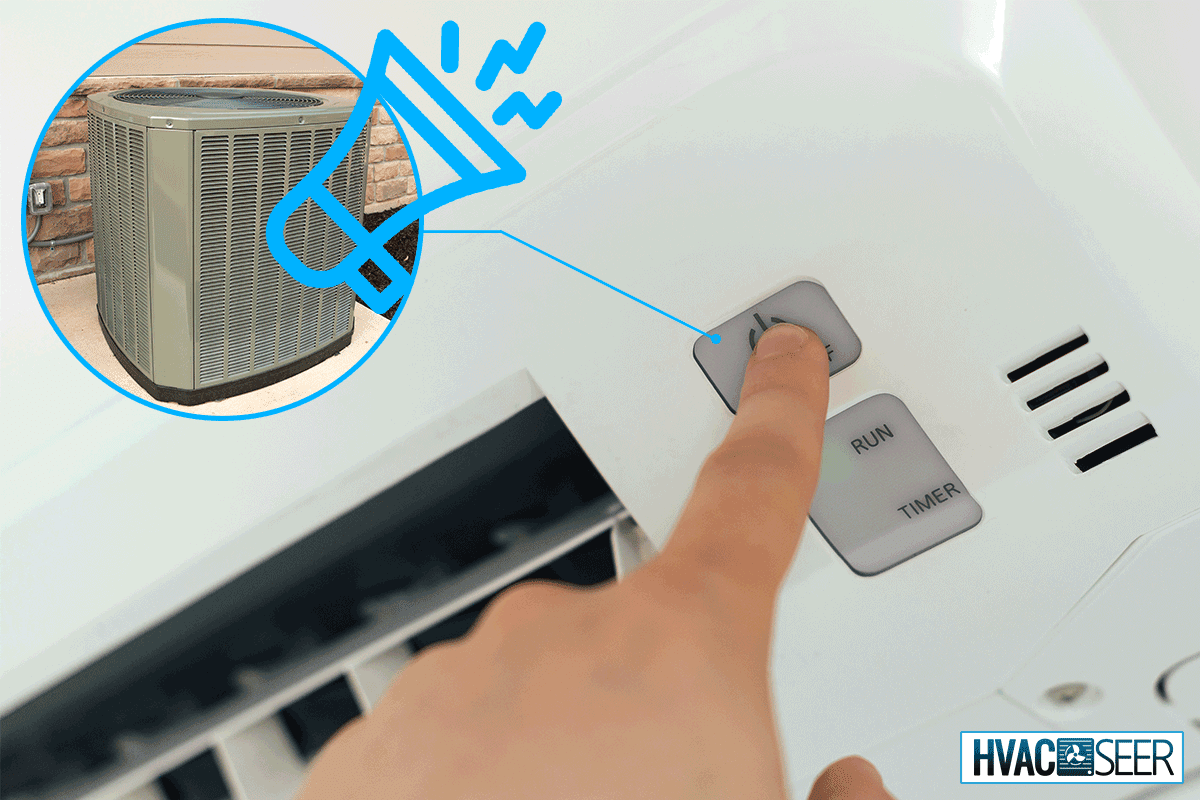
Okay, so you've got a heat pump. Maybe you're saving the planet (a little!), maybe you're saving some money, or maybe you just wanted the latest tech. Whatever the reason, you're probably enjoying that cozy, climate-controlled life. But then it happens… you hear it. A thump. A groan. A maybe-even-a-gurgle as your heat pump shuts down. What gives?
Don't panic! A little noise at shutdown isn't always cause for alarm. Think of it like this: Your car makes a little noise after you turn off the engine, right? That ticking sound as the metal cools? It's just the machine settling down. But, like a car, sometimes those noises can tell you something. So, let's dive in, shall we?
The Usual Suspects: Why the Noise?
First, let's talk about what's normal. Heat pumps, unlike, say, a toaster, are complex machines. They move refrigerant, compress gases, and reverse cycles to either heat or cool your home. That’s a lot of action!
Must Read
Refrigerant Rush: Imagine a crowded subway car suddenly emptying out. That’s kind of what happens with refrigerant when your heat pump shuts off. The system is designed to move this stuff around, and when it stops, all that refrigerant needs to find its equilibrium. The resulting pressure changes and refrigerant movement can sound like a whoosh, a gurgle, or even a gentle hiss. Totally normal.
Expanding & Contracting: Remember that ticking car engine? Same principle here. As parts cool down, they contract, and that can cause creaks and pops. Your heat pump has a lot of metal components, so some thermal expansion and contraction is expected.
Valve Sounds: Heat pumps have valves that open and close to direct the flow of refrigerant. When the system powers down, these valves can make a click or a thump as they snap shut. Nothing to see here, folks!
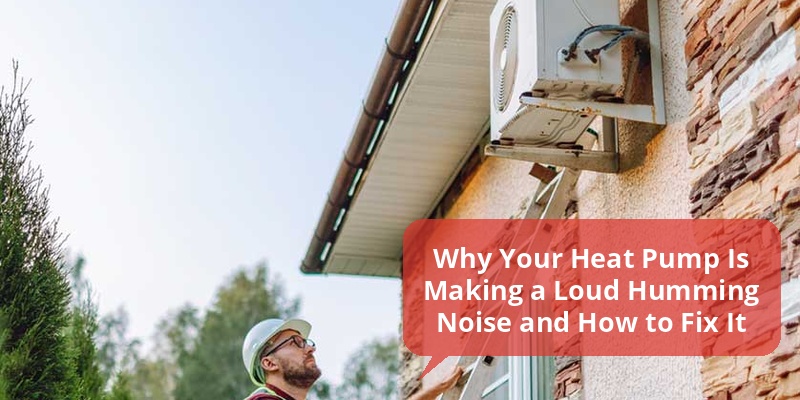
Fan Motor Inertia: The fan motor is another potential culprit. Even after the power is cut, the fan blades will continue to spin for a short while due to inertia. If the motor is a bit older or has some wear and tear, it might make a little whirring or grinding sound as it slows to a stop. This is usually subtle, but worth noting.
When to Raise an Eyebrow (or Two)
Okay, so we've covered the normal noises. But what about the not-so-normal ones? When should you start reaching for the phone to call a technician?
Loud Banging: A loud banging or clanging sound is definitely something to investigate. This could indicate a loose component, a failing motor mount, or something else entirely. Think of it like your washing machine suddenly deciding to do the Macarena – it's not supposed to do that!

Grinding or Screeching: Grinding or screeching noises are usually a sign of metal rubbing against metal. This could be a problem with the fan motor bearings, the compressor, or another moving part. Definitely not good, and needs professional attention.
Excessive Vibration: Is the whole unit shaking and rattling when it shuts off? While some vibration is normal, excessive vibration can indicate a problem with the mounting or internal components. It’s like your heat pump is doing a very bad impression of an earthquake.
New and Unusual Noises: If your heat pump has always made a particular noise at shutdown, and then suddenly starts making a new and unusual noise, that's a red flag. Trust your instincts! Your ears are a valuable diagnostic tool.
Troubleshooting Tips: A Little DIY Detective Work
Before you call a professional, there are a few things you can check yourself. Think of yourself as a junior HVAC detective.
Check for Obstructions: Make sure there are no leaves, branches, or other debris blocking the fan or the unit itself. Obstructions can cause vibrations and unusual noises.
Tighten Loose Screws: Give the unit a visual inspection and tighten any loose screws or bolts you find. Sometimes, a simple loose screw can be the source of a surprisingly loud noise.

Listen Carefully: Try to pinpoint exactly where the noise is coming from. This can help the technician diagnose the problem more quickly.
Keep a Record: Note down when the noise occurs, how loud it is, and any other relevant details. This information will be invaluable to the technician.
The Bottom Line: When in Doubt, Call a Pro
Look, heat pumps are complicated machines. While some noises are perfectly normal, others can indicate a serious problem. If you're unsure about the source of the noise, or if it's accompanied by other symptoms like reduced performance or higher energy bills, don't hesitate to call a qualified HVAC technician. It's always better to be safe than sorry!
Think of it like this: you wouldn't try to perform open-heart surgery on yourself, would you? (Please say no!). Some things are best left to the professionals. So, listen to your heat pump, trust your gut, and don't be afraid to call for help when you need it. Your cozy, climate-controlled life depends on it!