
Hardwired Smoke Detector Chirping At Night

Ah, the sweet symphony of a quiet house at 3 AM. The dog is dreaming of chasing squirrels, the kids are finally (blessedly) asleep, and you’re perhaps just drifting off yourself after a long day. The world is at peace. And then… chirp.
A single, defiant, high-pitched chirp echoes through the silence. You sit bolt upright, heart pounding. Was that a ghost? A mouse? A tiny, angry bird trapped in the walls? Then, after what feels like an eternity of holding your breath, it comes again: chirp. You know that sound. Oh, you know it well. It’s the dreaded, the infamous, the utterly sleep-destroying call of the hardwired smoke detector.
The Midnight Opera Conductor: Your Smoke Detector
Now, before you declare war on this unassuming little disc on your ceiling, let's chat about what's actually going on. That incessant chirping isn't some cosmic prank orchestrated by mischievous household spirits. It’s your smoke detector, in its own rather irritating way, trying to tell you something super important. It’s basically screaming, "Hellooooo! Pay attention to me! My backup power source is fading fast!"
Must Read
Think of it like that annoying low-battery notification on your phone, except instead of vibrating discreetly in your pocket, it’s broadcasting its distress to the entire neighborhood (or so it feels at 3 AM). Or maybe it's like your TV remote when the batteries are dying, making you press the volume button ten times just to get a slight adjustment. Except, unlike the remote, you can't just toss this under the couch and forget about it for a week.
"Hardwired," You Say? But It Still Has Batteries?
Yep, that’s right! This is where some folks get a little confused. A "hardwired" smoke detector means it’s connected directly to your home’s electrical system. So, in theory, it should always have power, right? Well, yes, but think of it like this: your car runs on gasoline, but it still has a battery for starting the engine, running the radio when the engine's off, and powering the lights. That's its backup.
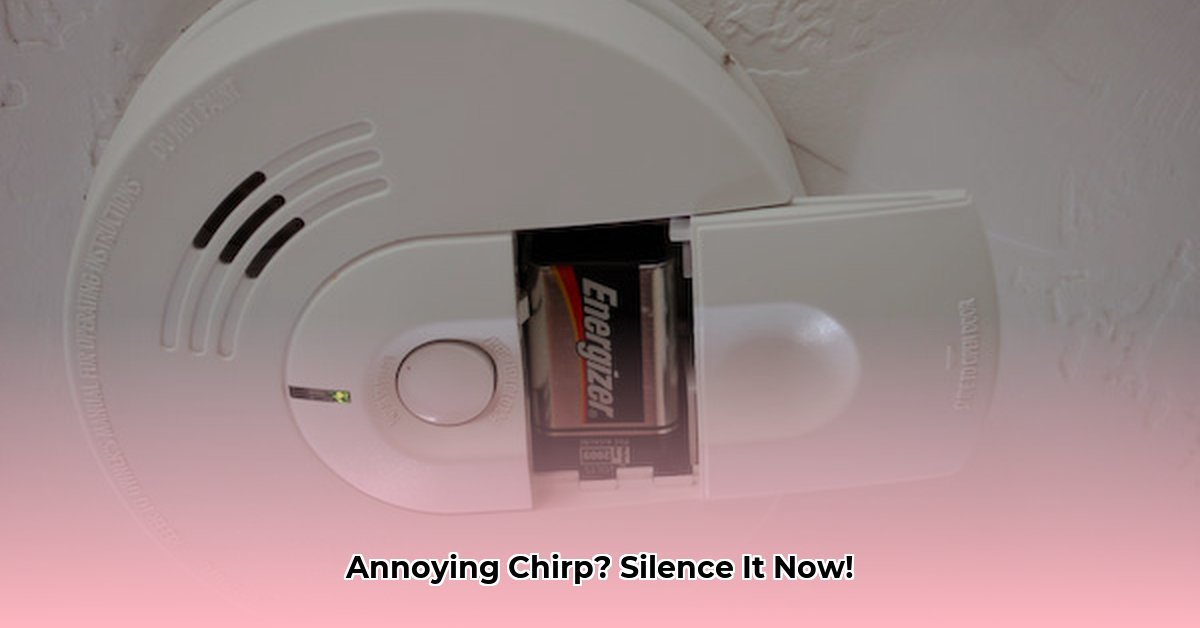
Your smoke detector works similarly. The hardwired connection is its primary power source. But what happens if the power goes out? Or if a circuit breaker trips? That’s where the backup battery swoops in like a tiny superhero, ensuring your detector keeps working even when the lights go dark. And that chirp? It's the little superhero waving a tiny, exhausted white flag, saying, "My power is low! I need a recharge (or rather, a replacement)!"
Why Does It Choose the Worst Possible Moment?
This is the age-old mystery, isn't it? It rarely chirps at 2 PM on a Tuesday when you're wide awake and full of energy. Oh no. It waits until you're deep in REM sleep, dreaming of fluffy clouds and silent meadows. Some folks swear they can hear it even after they've left the house! It's almost like it has a built-in "annoyance optimization" algorithm. But really, it's just physics. As the battery voltage drops, it often hits that critical threshold at unpredictable times, and alas, often when the house is quietest, making the chirp seem even louder.
More Than Just an Annoyance: Why You Should Actually Care (Seriously!)
Okay, so it’s irritating. We've established that. But beyond the frustration of sleep deprivation, there’s a really, really good reason to pay attention to that chirp. It’s not just an inconsiderate attention-seeker; it's a lifesaver in training.
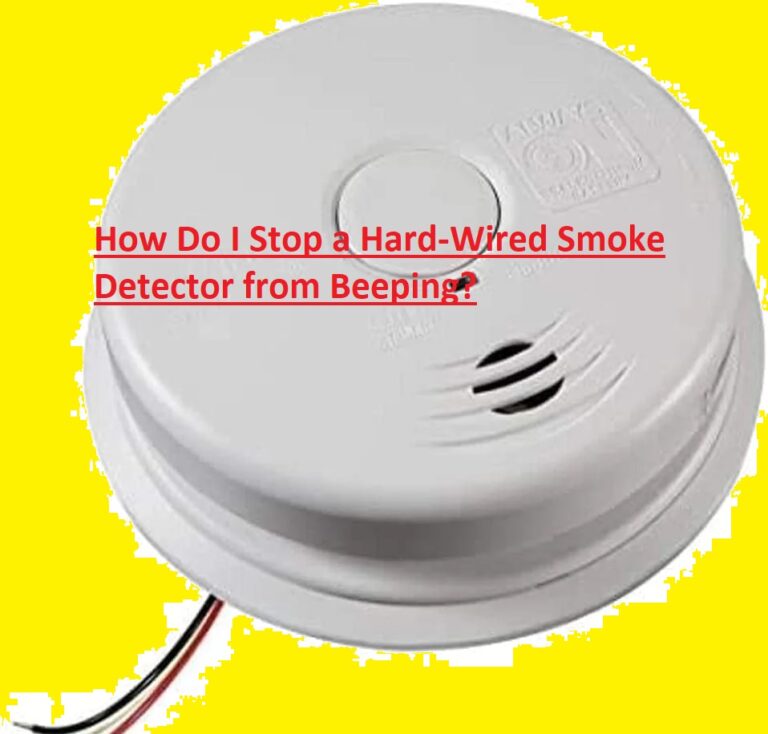
1. It's Doing Its Job: Even in its annoying state, the detector is doing precisely what it's designed to do: warn you when something isn't right. It’s like a super vigilant guard dog that barks when the mailman comes, even if you just wanted a moment of peace. That little battery is what keeps it on watch 24/7, even during a blackout.
2. The "What If" Scenario: Imagine this: a stormy night, the power goes out across your street. Everything goes dark. In that moment, your hardwired smoke detectors switch over to their backup batteries. If those batteries are dead because you ignored the chirping, then poof! No smoke detection. That’s a bit like driving a car with an empty fuel tank but a full gas gauge – you think you're safe, but you're really not. Your home and family rely on those detectors to give you precious minutes to escape in a fire. Those backup batteries are the difference between being alerted and being caught unaware.
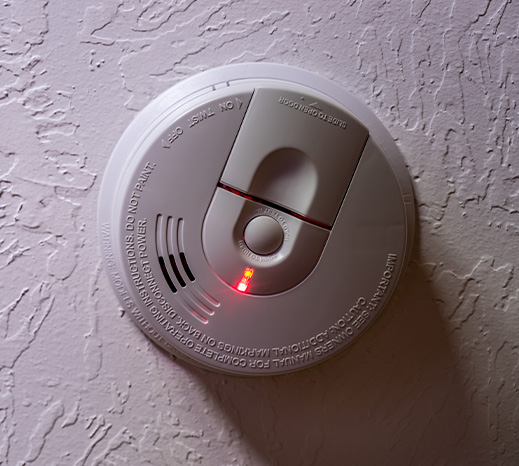
3. Peace of Mind (and Sound Sleep!): Once you replace that battery, not only will the infernal chirping stop, but you'll have the incredible peace of mind knowing your home is truly protected. It’s like replacing worn-out tires before a long road trip. You could try to make do, but why risk it when a simple fix provides such a huge safety net?
Okay, So How Do I Silence the Beast?
Good question! Here’s the simple rundown to get back to your peaceful slumber:
- Find the Chirper: First, you need to identify which specific detector is chirping. Sometimes, you have several, and only one is the culprit. Walk around and listen carefully, like a detective on a silent mission.
- The Button Confusion: There’s usually a button on the detector. Pressing it once is usually for testing (a loud siren!). Holding it down for a few seconds might "hush" it temporarily (a blessing!), but this is usually only for smoke alarms, not low battery chirps, which often require the battery change.
- Battery Time! Grab a sturdy step stool or a small ladder. Twist the detector gently counter-clockwise from its base to remove it. You’ll usually find a 9-volt battery, or sometimes AA or AAA batteries, tucked inside. Pop out the old one, put in a fresh, new one. Make sure it's snug!
- The Reset Ritual: This is crucial and often overlooked! After changing the battery, don't just snap it back onto the ceiling. Press and hold the test button for about 15-20 seconds. This fully drains any residual power and "resets" the detector, ensuring it recognizes the new battery.
- Reattach and Test: Twist it back into place, give it a quick test press (be ready for the siren!), and then... enjoy the silence.
A Few Friendly Reminders:
• Mark Your Calendar: A great habit is to change all your smoke detector batteries twice a year, perhaps when you change your clocks for Daylight Saving Time. It’s an easy way to remember!

• Dust Bunnies: While you’re up there, give the detector a quick wipe-down or a gentle vacuum. Dust can sometimes interfere with their sensors.
• Age Matters: Smoke detectors don’t last forever! Most have a lifespan of about 10 years. There’s usually a "replace by" date on the back. If yours are ancient relics, it might be time for a whole new set.
So, the next time that little disc decides to serenade you at an ungodly hour, try not to see it as your enemy. See it as a diligent guardian, a little electronic friend, just trying to remind you to keep it healthy so it can keep you safe. A fresh battery is a small price to pay for a full night’s sleep and, more importantly, a fully protected home. Sweet dreams!