Hard Wired Smoke Detectors Keep Going Off
Ah, the sweet symphony of silence… until it's abruptly shattered by that unmistakable, ear-splitting shriek. We're talking about your hard-wired smoke detector, of course! While the sudden alarm might send your heart racing faster than a squirrel on espresso, this common household drama is actually quite fascinating, and understanding it can turn a moment of panic into a moment of clever problem-solving. It's a universal experience, this battle with the beeping bandit, making it a surprisingly popular topic around dinner tables (once everyone's eardrums recover!).
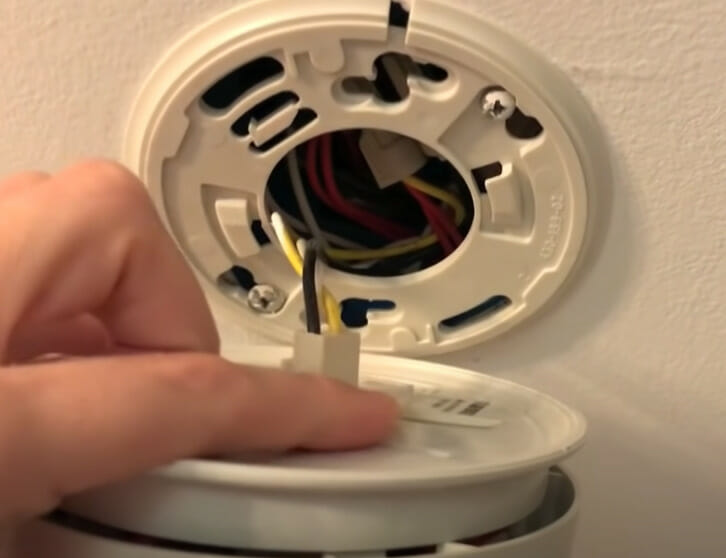
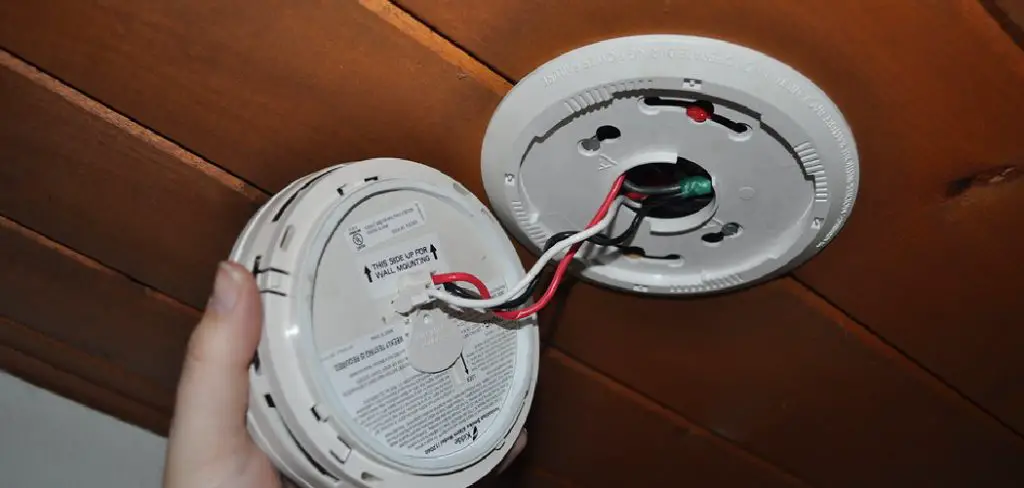
So, what exactly is the deal with these ever-vigilant guardians of our homes? Hard-wired smoke detectors are like the unsung heroes of fire safety. Unlike their battery-operated cousins, these units are directly connected to your home's electrical system, meaning they're always powered up. Many are also interconnected, so if one detects smoke, they all go off, providing a crucial, whole-house warning. This feature is a huge benefit, as it gives you and your family precious extra seconds to evacuate, potentially saving lives and minimizing damage. They offer a fantastic sense of peace of mind – when they're not causing a ruckus, that is!
But let's be honest, the true 'fun' begins when they decide to throw a surprise concert at 3 AM. Why do hard-wired smoke detectors keep going off when there's no actual fire? The reasons are often simpler (and sometimes funnier) than you'd think. The most common culprit? Cooking mishaps! A bit of burnt toast, an enthusiastic sear on a steak, or even steam from a very hot shower can trigger the sensors. Dust, tiny insects, or even cobwebs accumulating inside the sensor chamber can also fool the detector into thinking there's an emergency. Think of it as a sensitive nose getting tickled!
Must Read
Then there's the notorious low battery chirp. Even hard-wired units have a backup battery, designed to keep them working during a power outage. When this battery starts to dwindle, the detector will emit a persistent, irritating chirp – often at the most inconvenient times! Power surges or dips can also sometimes cause them to momentarily glitch and sound the alarm. And don't forget their lifespan: smoke detectors aren't immortal. Most have an expiration date, usually 10 years from the date of manufacture. After a decade, their sensing capabilities diminish, and they might start issuing false alarms as a sign it’s time for retirement.
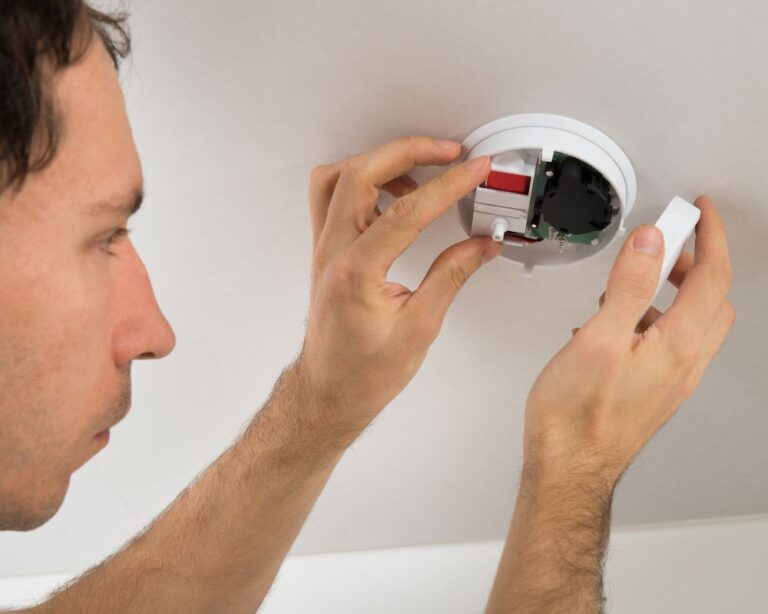
So, what's a homeowner to do when faced with this chirping chaos? First, always assume it's a real fire until proven otherwise! Once you've confirmed there's no actual danger, you can usually hit the "hush" or "silence" button on the unit. For false alarms due to cooking or steam, simply ventilate the area well. If dust is suspected, carefully vacuum around the sensor or use compressed air to clean it. For the dreaded low battery chirp, remember to change your backup batteries annually – a small task that prevents a lot of headaches! If your detector is over 10 years old, it's definitely time for a replacement. Persistent, unexplainable alarms might indicate a faulty unit or an electrical issue, in which case it’s wise to call a qualified electrician. Understanding these quirks not only saves your sanity but also keeps your home truly safe!