Good Temperature To Set Thermostat In Winter
Ever find yourself shivering even though the heating is on? Or maybe you’re sweating in your favorite winter sweater, wondering if your thermostat is secretly mocking you? Figuring out the perfect indoor temperature in winter is a bit of an art, and understanding it can lead to serious comfort and unexpected savings. It's not just about avoiding frostbite; it's about finding that sweet spot where your body feels happy, your wallet doesn't cry, and you're being kind to the planet.
The whole point of setting a thermostat correctly is to strike a balance between comfort, energy efficiency, and the well-being of your home. If you crank the heat way up, you'll be cozy, sure, but your energy bill will likely skyrocket. Lower the thermostat too much, and you risk discomfort, potentially freezing pipes (depending on how low you go!), and making your home less inviting. The aim is to find a temperature that keeps you comfortably warm while minimizing energy consumption.
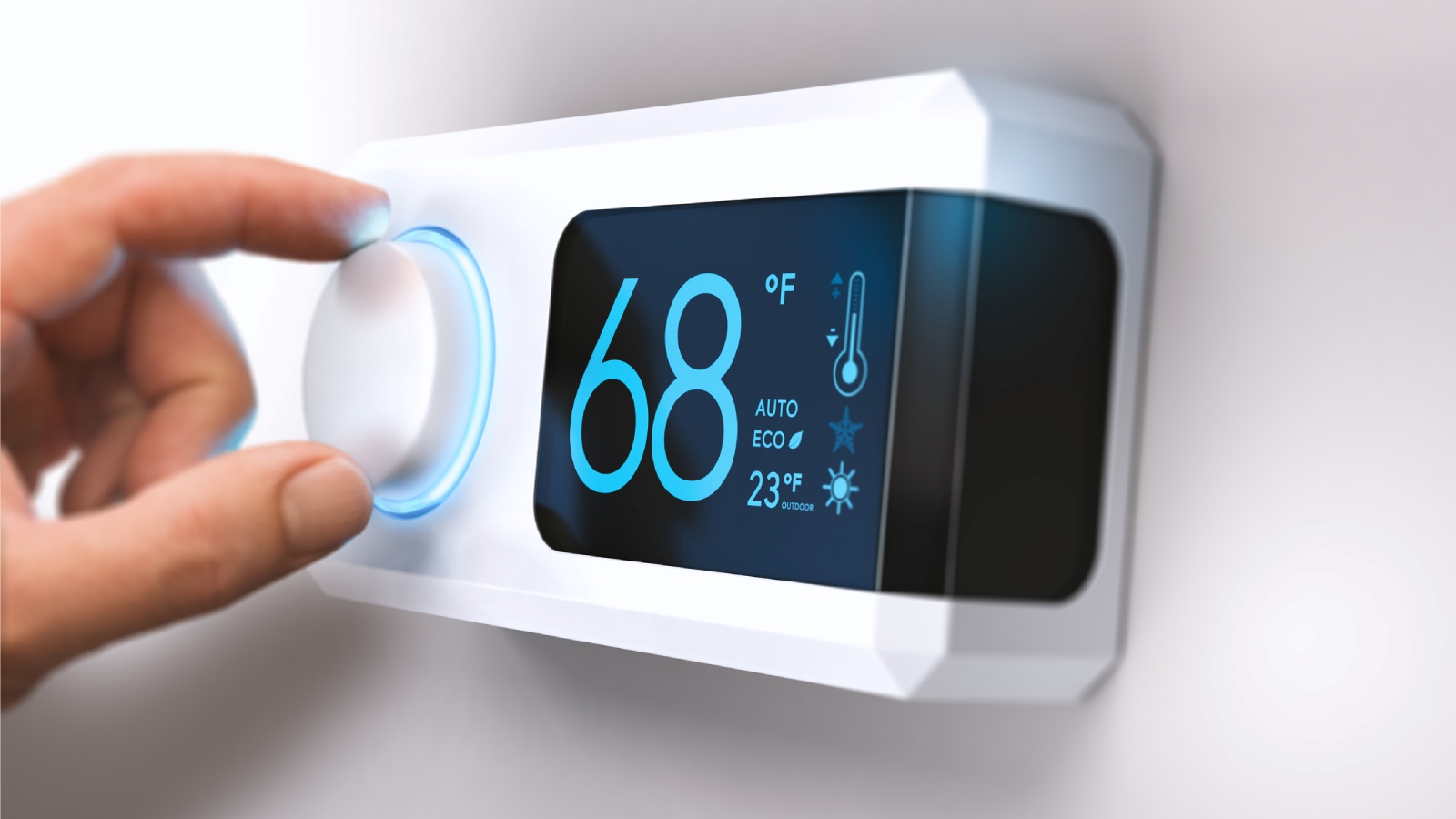
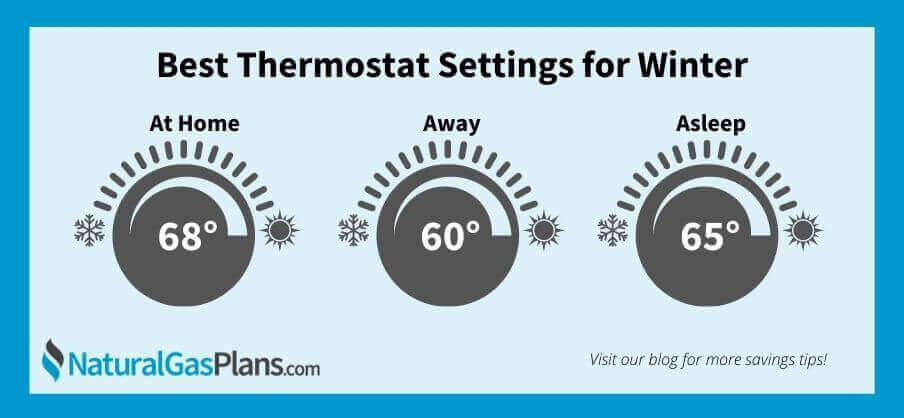
So, what's the magic number? While everyone's different, the U.S. Department of Energy generally recommends setting your thermostat to 68 degrees Fahrenheit (20 degrees Celsius) when you're home and awake. That might sound a little chilly to some, but trust us, it's a good starting point. When you’re asleep or away from home, you can lower the temperature even further – ideally to around 60-64 degrees Fahrenheit (15-18 degrees Celsius). This can save you a significant amount on your heating bill, as you're not wasting energy heating an empty house or while you're snuggled under blankets.
Must Read
Think of it like this: in schools, setting the temperature appropriately not only creates a comfortable learning environment (preventing students from being distracted by the cold) but also helps manage the school's energy budget. At home, consider how different rooms are used. You might want a slightly warmer temperature in the living room where you spend most of your time, and a slightly cooler temperature in the bedroom for optimal sleep. Programable thermostats are excellent for automating these adjustments; they let you set different temperatures for different times of the day, so you don’t even have to think about it!

Here are some simple ways to explore finding your ideal winter temperature: Experiment! Try lowering your thermostat by one or two degrees each day and see how you feel. Wear warmer clothing, use blankets, and drink hot beverages to compensate. Pay attention to how your body responds and find the lowest temperature you can tolerate comfortably. Consider investing in a programmable or smart thermostat. These devices allow you to set schedules and control your heating remotely, maximizing energy savings. Use a thermometer in different rooms to gauge the actual temperature, as thermostats aren't always accurate. And finally, remember that factors like insulation, drafts, and the number of people in your home can all affect how warm you feel, so adjust your thermostat accordingly.
Finding the perfect thermostat setting in winter is a journey of discovery. It's a chance to become more aware of your own comfort levels, your energy consumption habits, and the impact you have on the environment. So, grab a cozy blanket, a cup of tea, and start experimenting! You might be surprised at how much you can save – and how comfortable you can be – by making a few simple adjustments.