
Geothermal Energy Is The Main Source At This Location
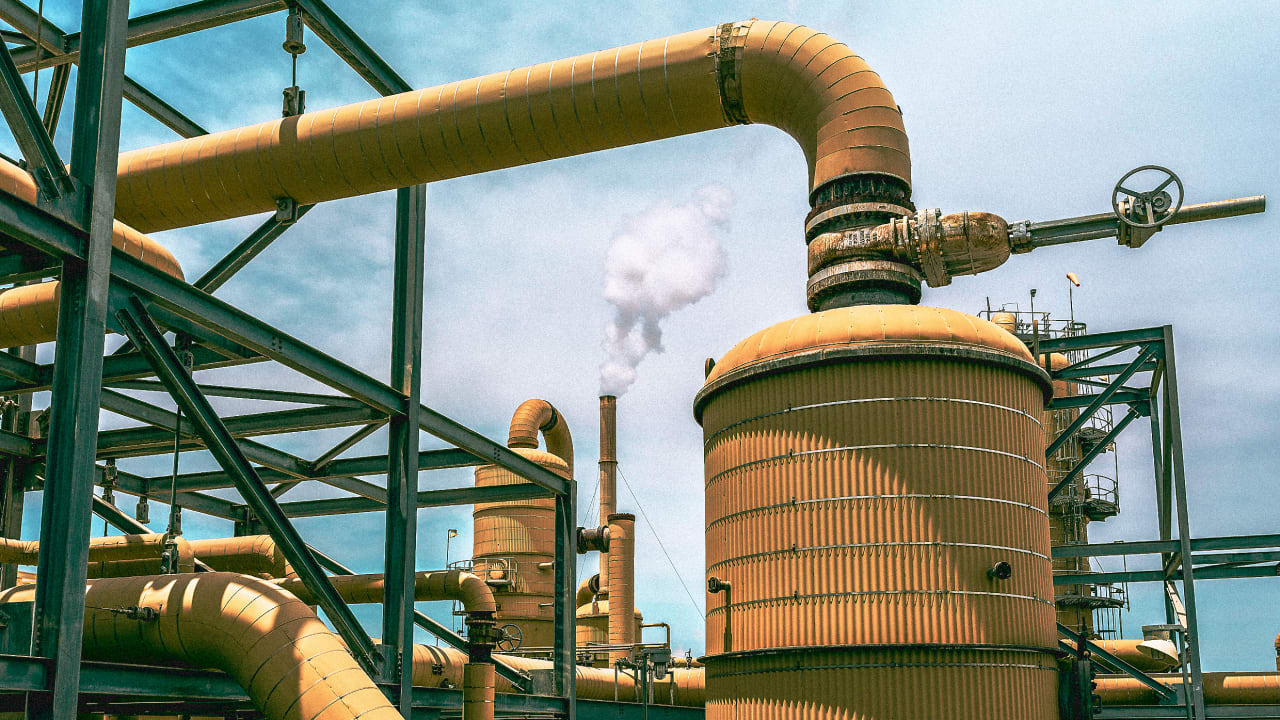
Okay, so picture this: me, shivering in a ridiculously oversized Icelandic sweater, trying to understand why the water in the outdoor pool is literally steaming in the middle of what feels like a perpetual winter. I'm talking intense steam. Like, you could cook an egg on it. My initial thought? Some kind of super-powered, environmentally-unfriendly boiler working overtime. But boy, was I wrong. (Aren't we always?)
Turns out, the magic behind that toasty-warm water, and pretty much everything else in this particular corner of the world, is geothermal energy. Not some steampunk contraption hidden behind the rocks, but the Earth itself providing the heat. I felt a little dumb, I won't lie. Like, duh, you're in Iceland. Volcanoes. Hot springs. Should have put two and two together.
And that's what got me thinking: in some places, geothermal isn't just a nice-to-have renewable energy source; it's the main player. The head honcho. The big cheese. It's the foundation upon which entire communities are built and powered. We're not just talking about a few solar panels on the roof (though those are great too!), we're talking about tapping into the planet's inner furnace.
Must Read
Harnessing the Earth's Fury (in a Good Way)
So, how does this whole geothermal thing work, especially when it's the primary energy source? Basically, these locations are sitting on top of some serious underground heat. This heat comes from the Earth's core (obviously!) and the radioactive decay of materials within the planet. Think of it as a giant, slow-burning, incredibly powerful heater under your feet. (Just try not to think too hard about the radioactive decay part. We're aiming for renewable and relatively chill here.)
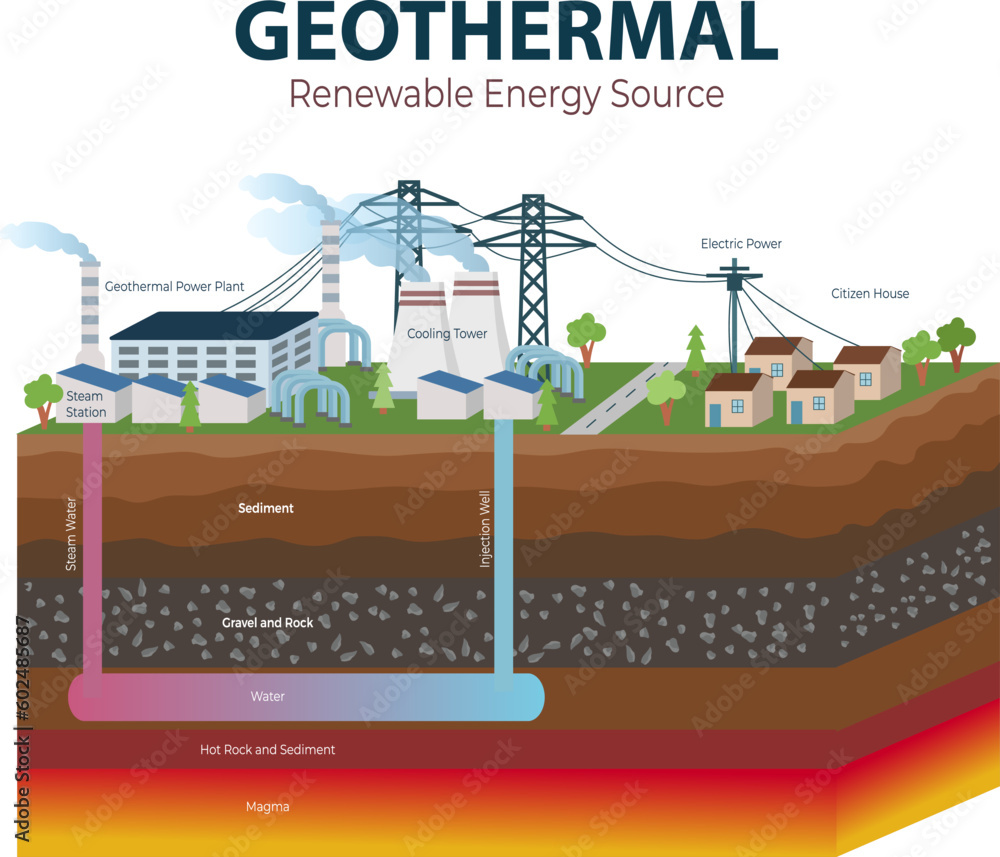
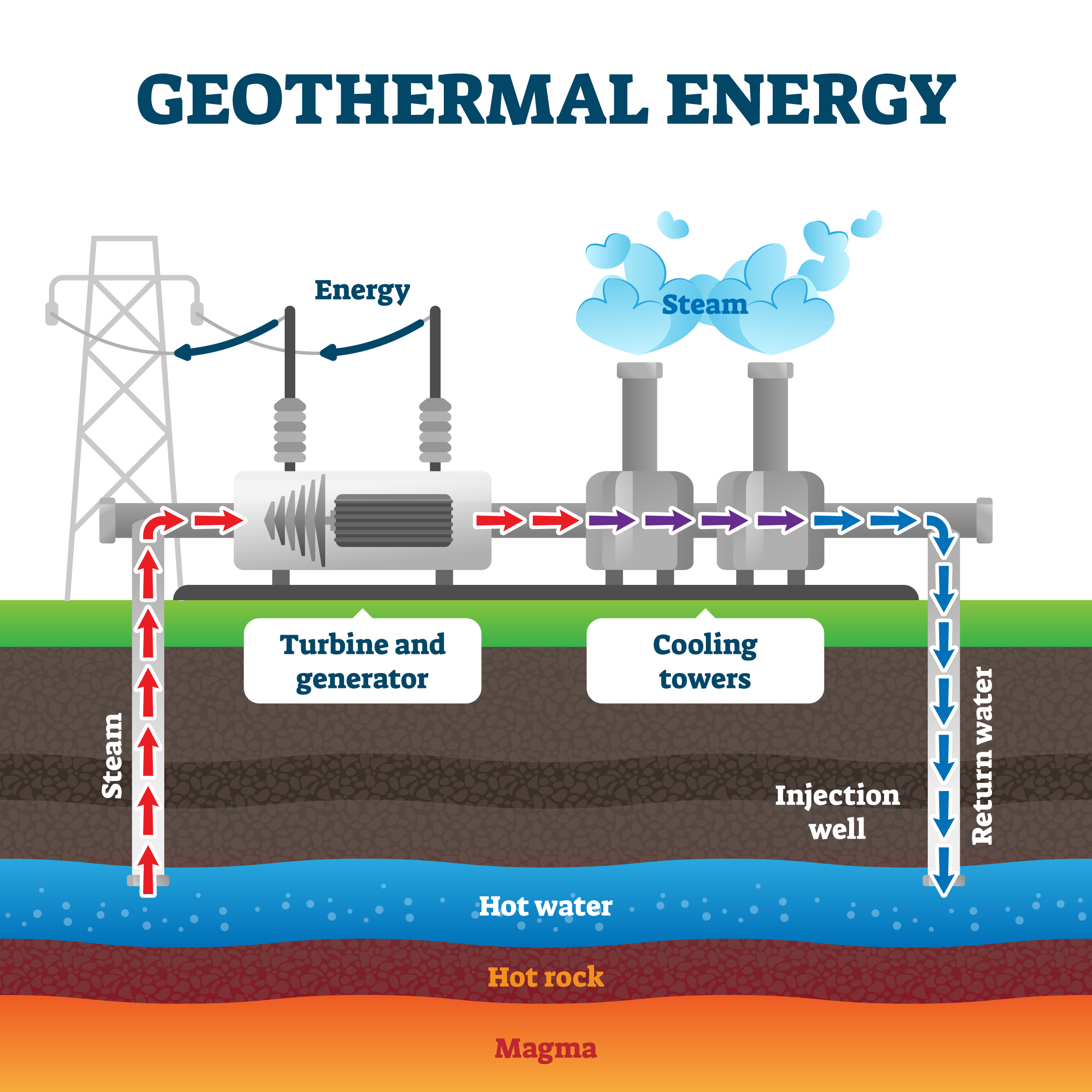
This heat warms up groundwater, creating reservoirs of hot water and steam trapped beneath the surface. Clever engineers then drill wells into these reservoirs and pipe the hot water or steam up to the surface. This steam can then be used to directly heat buildings (like that super-warm swimming pool!), drive turbines to generate electricity, or even be used in industrial processes.
Pretty ingenious, right? Instead of burning fossil fuels and releasing harmful greenhouse gases, you're basically borrowing heat that's already there. Of course, it's not quite that simple. There are challenges, like the potential for induced seismicity (earthquakes) and the cost of drilling deep wells. But the benefits, especially in places where geothermal resources are abundant, are huge.
Why Main Source? Location, Location, Location!
The key is location. You can't just plop down a geothermal power plant anywhere and expect it to work. You need to be in an area with high geothermal gradients – meaning the temperature increases rapidly with depth. Think volcanic regions, rift valleys, and areas with active tectonic plates. (Yep, Iceland again. And parts of Italy, New Zealand, and the western United States, to name a few.)
In these geothermally blessed areas, the cost of drilling and developing geothermal resources becomes much more competitive compared to fossil fuels. And because geothermal is a consistent and reliable source of energy (the Earth's core isn't going to suddenly run out of heat anytime soon), it can be used as a baseload power source – meaning it can provide a constant supply of electricity, unlike solar and wind, which are dependent on the weather. This is crucial when it is your main source of energy.
Think about it: imagine you live in a remote Icelandic town. Importing fossil fuels would be incredibly expensive and logistically challenging. But you're sitting on top of a geothermal goldmine! Tapping into that resource is not only more environmentally friendly but also more economically viable. It's a no-brainer. (Seriously, wouldn't you?)
Beyond Electricity: A Geothermal Lifestyle
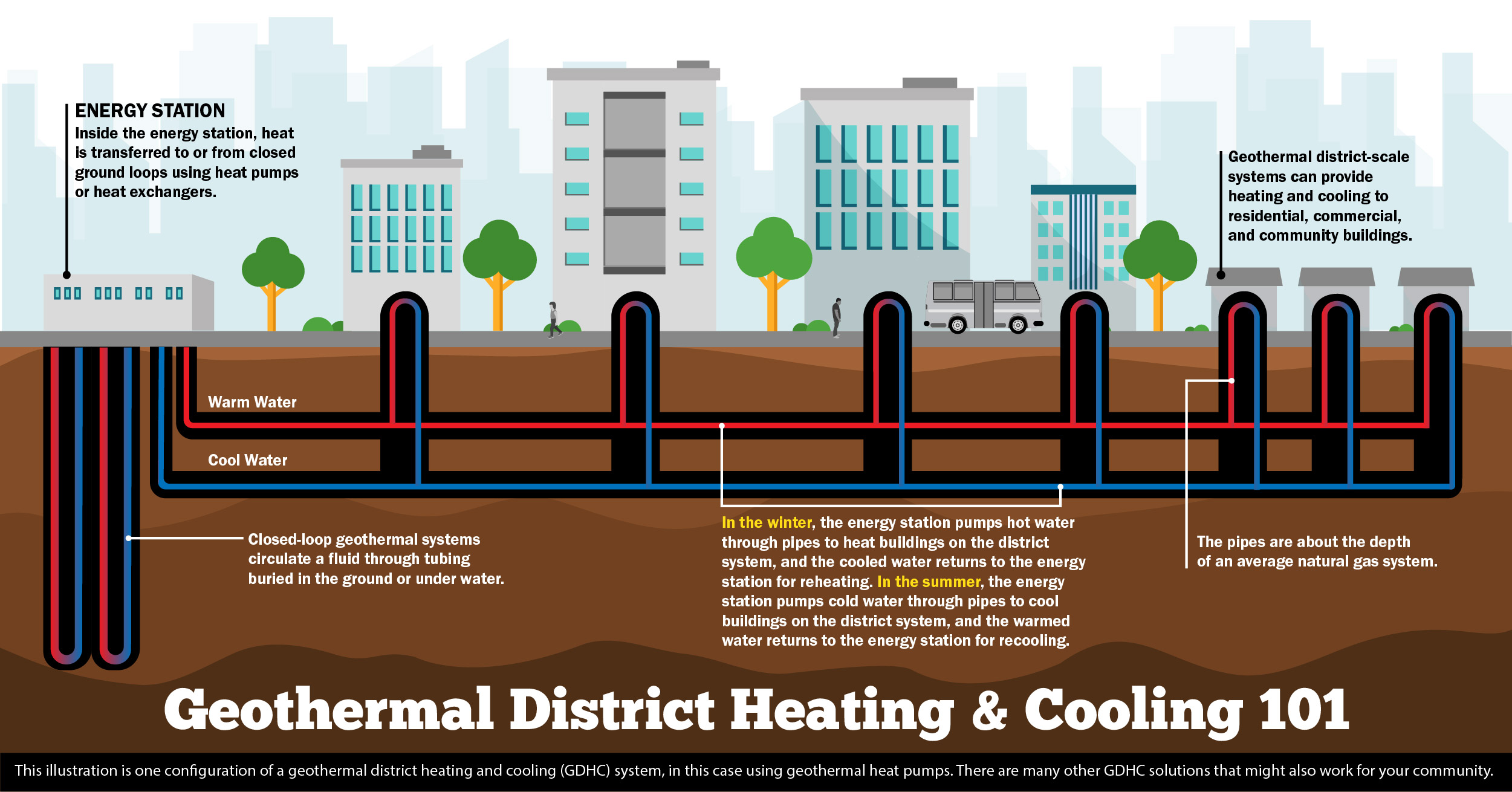
But geothermal energy as the main source isn't just about electricity. In places like Iceland (yes, I'm obsessed), it's woven into the very fabric of society. Geothermal heat is used for district heating (heating entire neighborhoods), greenhouses (growing tomatoes in the Arctic Circle!), fish farming, and even snow melting on sidewalks. It's a truly integrated energy system that powers almost every aspect of daily life.
It's kind of amazing, actually. A whole community thriving thanks to the Earth's natural heat. Makes you think about the possibilities, doesn't it? Maybe one day, more places will embrace geothermal as their primary energy source. Until then, I'll just be over here dreaming of warm geothermal pools and trying to figure out how to convince my town to build a giant greenhouse heated by underground steam. (Wish me luck!)
