
Gas Shielded Flux Cored Wire
Ever had one of those welding moments where you're staring at a big, beefy piece of metal, maybe a structural beam or a hefty farm implement, and your trusty MIG gun just feels… inadequate? You crank up the amps, push the wire speed, and it still feels like you’re trying to weld a battleship with a stapler. It’s like the weld is just sitting on top, you know? You want it to dig in, to become one with the base metal, but it’s just not happening. Frustrating, right?
Well, my friend, that’s precisely the kind of dilemma that makes me want to pull back the curtain on a true workhorse in the welding world:
Gas Shielded Flux Cored Wire.
Yeah, I know, it sounds like a mouthful, and maybe a little intimidating if you’ve mostly stuck to solid wire MIG (GMAW). But trust me, this stuff is fascinating, powerful, and once you get the hang of it, you might just wonder how you lived without it for certain jobs.
Must Read
So, What Even Is This Magic Wire?
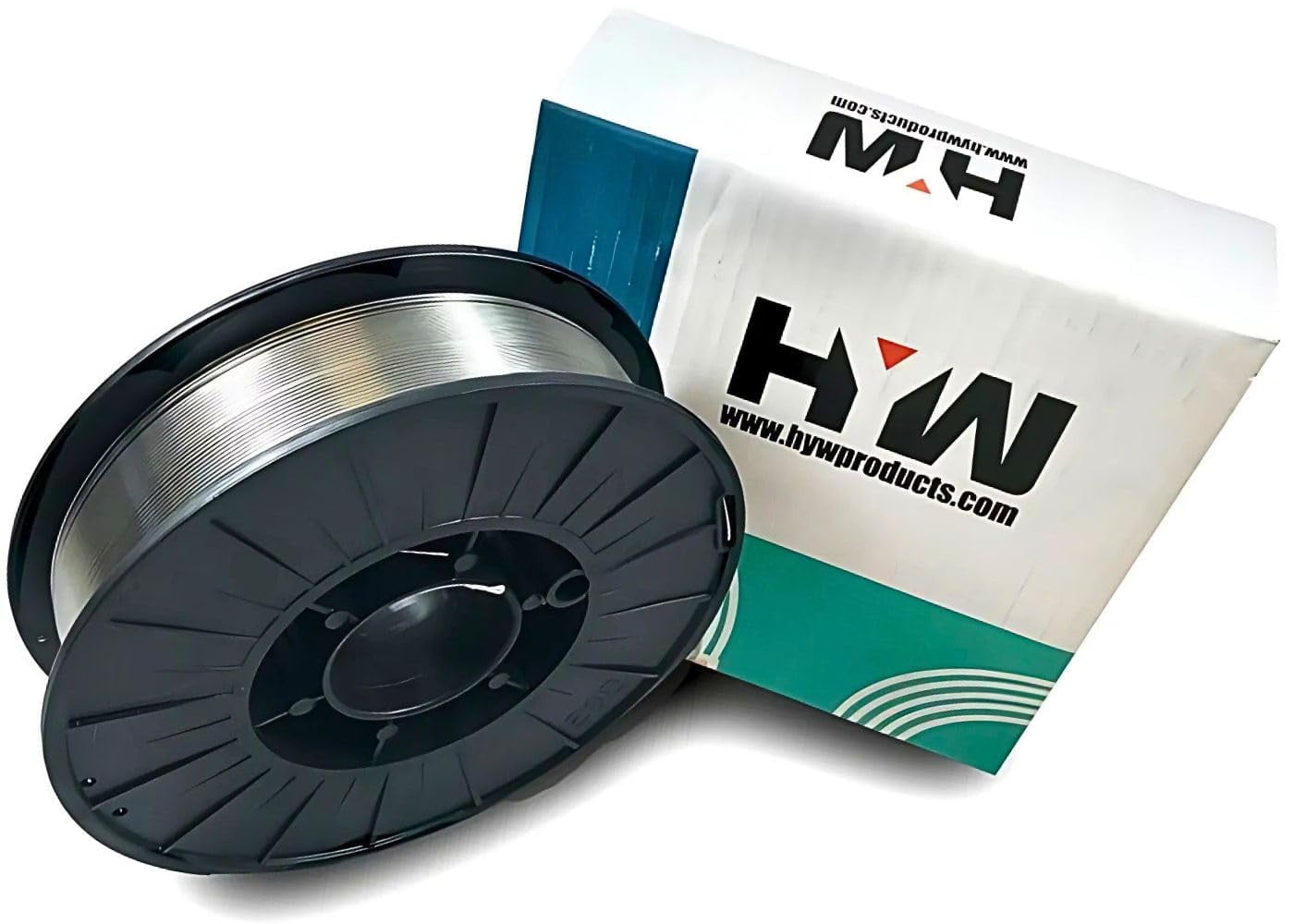
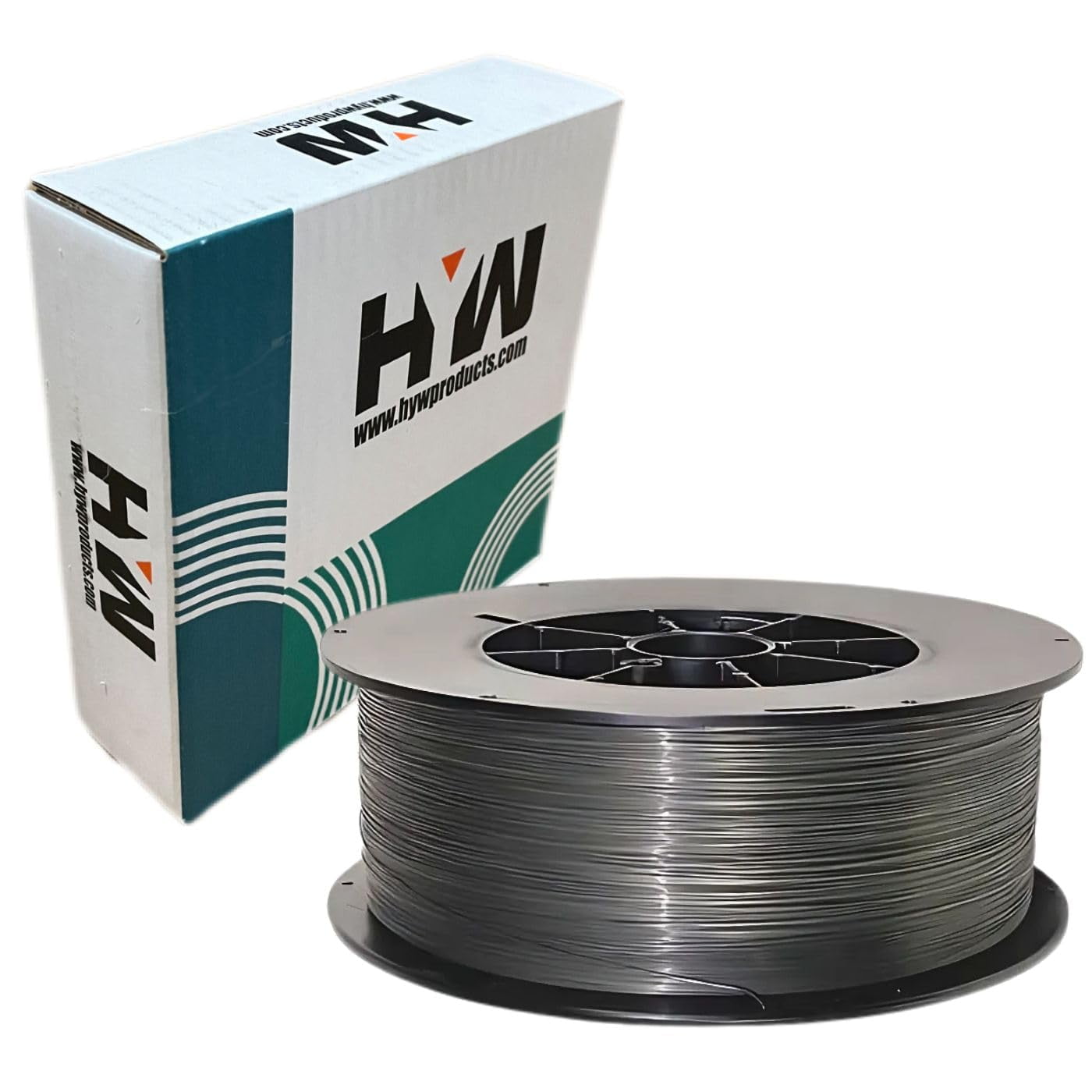
Imagine your standard solid MIG wire, but instead of being, well, solid, it's actually a tiny, hollow tube. And inside that tube? A carefully concocted powder, which we lovingly call "flux." This isn't just any powder; it's a mix of deoxidizers, scavengers, alloying elements, and slag formers. Pretty neat, huh?
Now, here's the kicker: with Gas Shielded Flux Cored Wire (often abbreviated as FCAW-G, for Flux Cored Arc Welding - Gas Shielded), you're still using an external shielding gas. Yep, you read that right. It's not like its cousin, self-shielded flux core (FCAW-S), where the flux does all the gas-generating work. With FCAW-G, you get the best of both worlds!
Why Both? The Power Couple of Protection!
Think of it this way: the flux inside the wire is like the internal bodyguard for your weld puddle. As it melts, it forms a protective slag that floats on top of the molten metal, shielding it from atmospheric contaminants. This slag also helps shape the weld bead, holds the molten metal in place (super handy for out-of-position welding!), and slows down the cooling rate, which can improve the weld's mechanical properties.
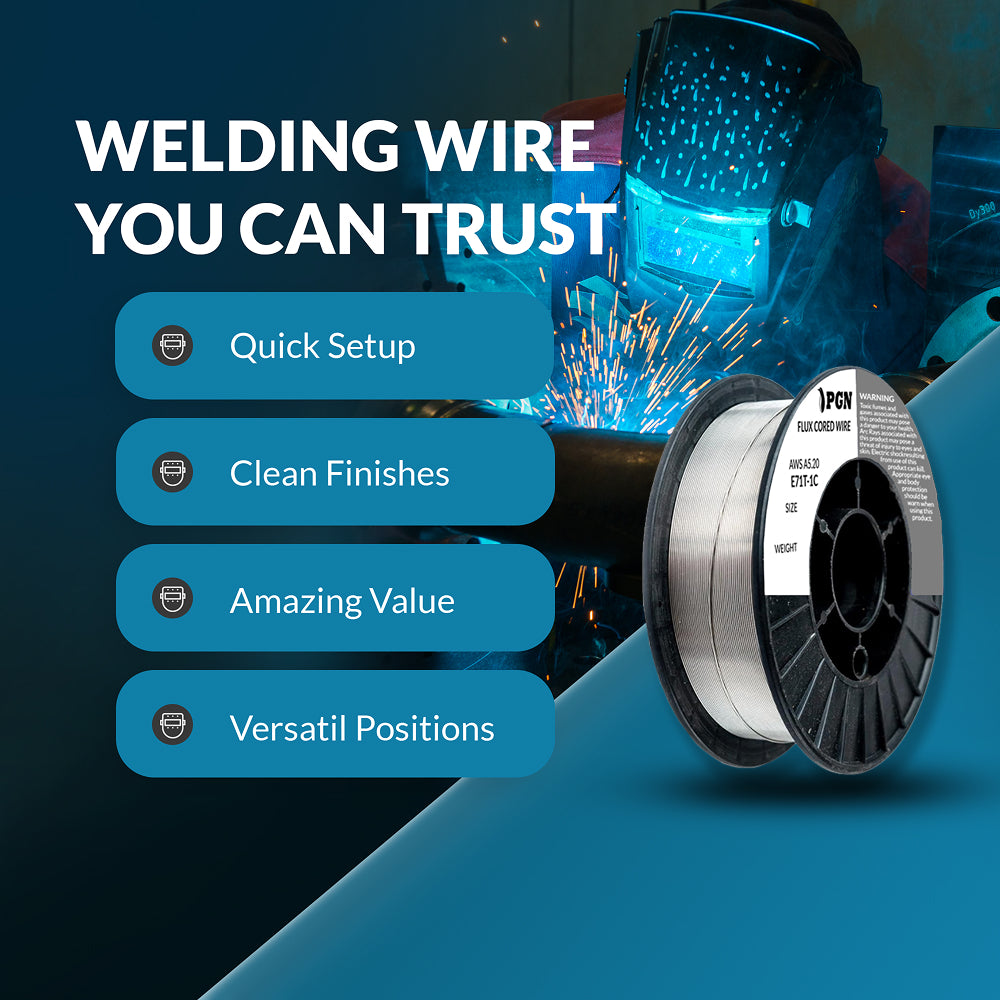
Then, you've got the external shielding gas (typically a mix like 75% Argon/25% CO2, or sometimes 100% CO2, depending on the wire and application). This gas provides an additional layer of defense, especially crucial for high-quality, high-integrity welds. It also helps stabilize the arc, making for a smoother, more consistent weld. It’s like having a bouncer and a security detail for your weld pool – overkill? Maybe, but when you need a weld to hold strong, overkill is underrated.
This dual-protection system is what gives FCAW-G its superpowers.
The Superpowers (a.k.a., The Advantages!)
1. Deep Penetration: This is where FCAW-G really shines. It digs in! This means stronger, more reliable welds, especially on thicker materials. No more feeling like you're just gluing metal together.
2. High Deposition Rates: You can lay down a lot of weld metal, fast. This is a game-changer for production environments where speed equals money. Time is money, right? So, faster welding is good welding for your wallet.
3. Good for Out-of-Position Welding: Thanks to that slag crust, certain FCAW-G wires are fantastic for vertical-up or overhead welds. The slag helps support the molten puddle against gravity, giving you better control and a cleaner bead.
4. Less Critical Surface Prep (to a point): While you should always clean your metal, FCAW-G can be a bit more forgiving on minor surface contaminants compared to solid wire MIG. Don't push your luck, though; cleanliness is next to godliness in welding.
Okay, So What's the Catch? (The Not-So-Super Parts)
No, it's not pure magic. There are a few things to keep in mind:
1. Slag Cleanup: Unlike solid wire MIG, you'll have slag to chip off and brush away. It's an extra step, but a small price to pay for the benefits.
2. Cost: The wire itself can be pricier than solid wire, and you're still buying shielding gas. So, the consumables cost a bit more.
3. Fumes: Flux-cored welding generally produces more fumes than solid wire, so excellent ventilation is absolutely critical. Seriously, don't skimp on the fume extraction; your lungs will thank you.
When Should You Reach for This Bad Boy?
If you're working on:
- Heavy fabrication
- Structural steel
- Shipbuilding
- Heavy equipment repair
- Any job where you need high strength, deep penetration, and efficient welding on thicker materials.
...then FCAW-G is your friend. If you’re just making garden gnomes out of tin cans, you probably don’t need to break it out. But for serious, load-bearing stuff, it's a stellar choice.
A Few Parting Words of Wisdom
Always, always read the manufacturer's data sheet for your specific wire. Different wires have different gas requirements, optimal voltage/amperage ranges, and techniques. And don't forget to dial in your machine settings carefully.
So, the next time you're facing a challenging weld, one that demands strength, speed, and that satisfying deep penetration, remember the powerful duo: Gas Shielded Flux Cored Wire. It might just become your new favorite tool in the arsenal. Go forth and weld something awesome!