Flux Core Welding Vertical Up

Alright, let's chat about something that might sound a bit technical at first, but trust me, it’s got a real down-to-earth charm to it. We’re diving into the world of Flux Core Welding Vertical Up. Sounds like a mouthful, right? But it's actually like the trusty workhorse of the welding family – a bit messy, maybe not the prettiest, but incredibly strong and gets the job done when others might falter. Think of it as the friendly neighborhood plumber who shows up in overalls, a bit grimy, but fixes your leaky pipe when the fancy-pants guys scratch their heads.
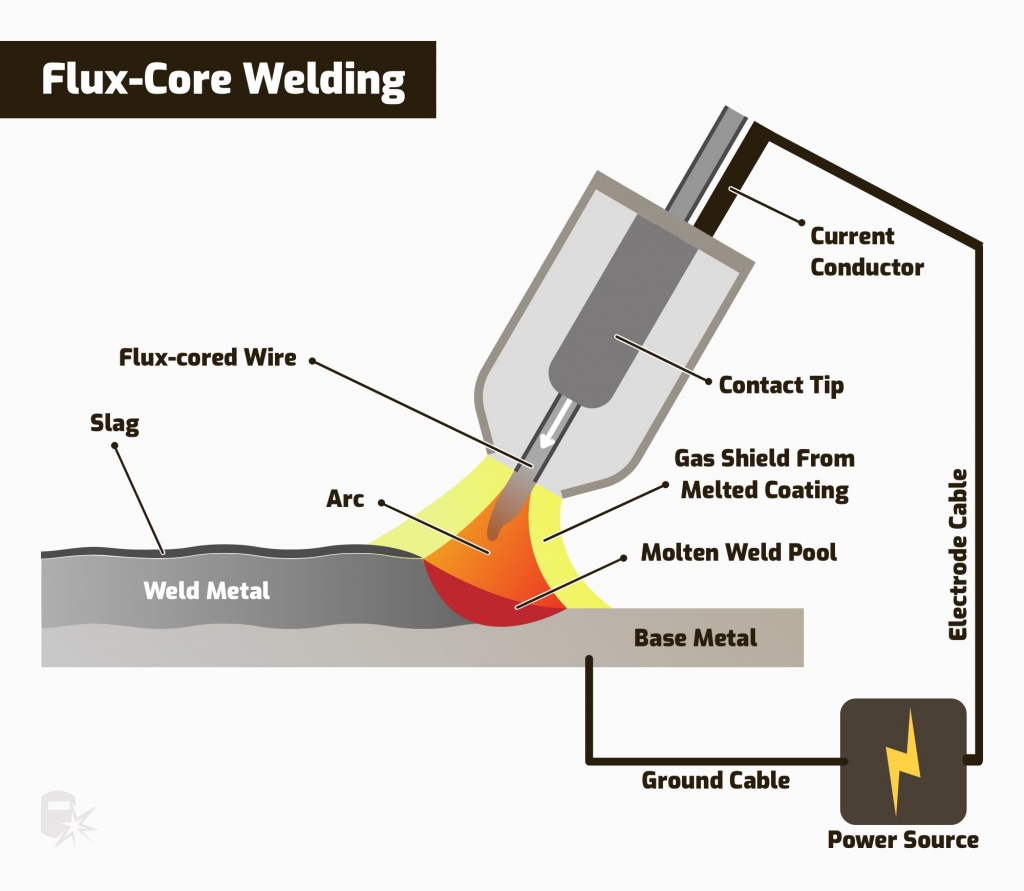
First off, what's Flux Core Welding (FCAW) in general? Imagine you're trying to stick two pieces of metal together, super strong, like for a fence post that needs to stand up to a hurricane, or a trailer hitch that needs to pull a house. Regular welding often uses an external gas to protect the molten metal from the air, like a little invisible shield. But flux core? It's got its own built-in magic! The wire itself is hollow and filled with a "flux" material that creates its own shielding gas when it melts. This means it laughs in the face of wind and isn't too picky about the metal being absolutely pristine. It’s the kind of welding you use when you're out in the elements, fixing a tractor in a dusty field, or mending a rusty gate that’s seen better days. It's tough, forgiving, and frankly, a bit of a hero in a pinch.
So, what's the "Vertical Up" part?
This is where it gets fun and a little mind-bending. Usually, when you weld, you're going along a flat surface, or maybe horizontally. It's like drawing a line on a piece of paper. Easy-peasy. But "Vertical Up" means you're welding, well, upwards! Picture trying to build a tiny metal wall from the bottom up, against gravity. It’s like frosting a cake vertically, trying to make the frosting hold its shape as you go upwards, without it all sagging down. Or imagine trying to stack hot ice cream scoops without them melting and sliding everywhere. It's a bit of a challenge!
Must Read
You’re essentially pushing molten metal uphill, letting it freeze just enough to build a shelf for the next blob, and the next, creating a sturdy bead that climbs the joint. It requires a steady hand and a bit of a rhythm, almost like a little dance between heat and gravity. You pause, let it solidify, then move up a bit, pause, solidify. It’s a bit like laying bricks, one on top of the other, but with glowing, molten metal.
Why use Flux Core for this gravity-defying feat?
Here's where our messy hero shines. Because flux core produces a lot of slag (the glassy crust that forms over the weld) and has a thicker, more viscous puddle of molten metal, it’s actually easier to control when welding vertically up. The thicker puddle doesn't want to run down the joint as much as a thinner one would. It's like trying to get thick molasses to flow versus water – the molasses is just more cooperative when you're trying to build upwards.
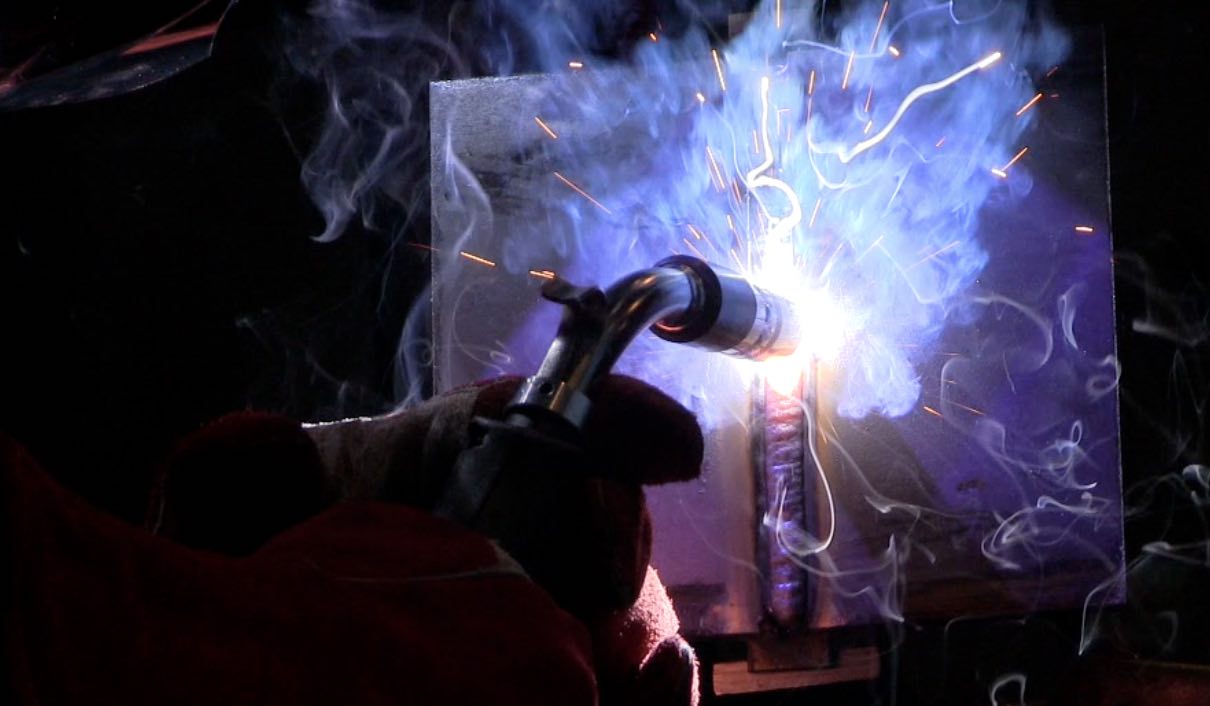
It allows you to create a really strong, robust weld because you can build up a good amount of material. Think of it as laying down a super-thick, reinforced foundation, but vertically. This makes it perfect for heavy-duty structural stuff where you absolutely need that joint to hold, come what may.
Why should you, an everyday reader, care about this fiery dance?
Well, beyond just appreciating the magic of metalworking, understanding Flux Core Vertical Up means understanding strength and durability in the real world. That old metal swing set in your backyard? If a leg needed reinforcing, a vertical up weld might be exactly what’s needed to make it safe and sound for another decade of gleeful swings. The railing on your porch steps that's seen better days? A vertical up weld could give it a new lease on life, holding firm against daily use and the elements.

Imagine fixing that stubborn, wobbly metal gate post that always threatens to fall over. Or reinforcing a crucial part on your lawnmower deck. When you see a strong, uphill weld on something important – a fence, a trailer frame, a support beam in a shed – you’ll know it’s not just any weld. It’s a testament to skill, strength, and a very particular kind of metal magic. It’s the difference between something just holding and something holding with unyielding determination, defying gravity itself.
It’s the satisfaction of knowing that something you’ve fixed or built will stay fixed, enduring all sorts of stresses because the weld wasn't just slapped on, but carefully built upwards, layer by molten layer. It's empowering to know that with the right technique, you can make metal stand tall and strong, even when gravity is trying its best to pull it down. So, next time you spot a sturdy metal structure, give a little nod to the incredible, gravity-defying strength of Flux Core Welding Vertical Up – it’s often the unsung hero keeping things solid and safe in our world!