First Alert Fire Alarm Keeps Going Off

Ah, the sweet symphony of silence... until it's shattered by the piercing wail of your First Alert fire alarm! It's a moment many of us have experienced, usually at the most inconvenient times – 3 AM, during an important video call, or while attempting a culinary masterpiece that turns into a smoke signal. While it can be utterly frustrating, understanding why your trusty sentinel is sounding off can turn a moment of panic into a useful, even empowering, learning experience. After all, knowing how to quiet that persistent shriek quickly and correctly not only saves your sanity but also ensures your home remains safe when it truly matters.
So, your First Alert alarm is doing its best impression of an opera singer. Before you grab a pillow to muffle the noise (please don't!), let's explore the common culprits behind these impromptu concerts. It's not always a raging inferno, thankfully! More often, it's one of a few usual suspects. Perhaps the most infamous is the low battery chirp – that incessant, short "beep" every 30-60 seconds that feels designed to slowly drive you mad. This is your alarm's polite (but firm) way of telling you it needs new juice. But what about the full-blown, ear-splitting siren? That's a different beast entirely!
Often, a full alarm can be triggered by surprising, non-fire-related causes. Ever had a particularly steamy shower? Or perhaps you're a connoisseur of slightly-too-toasty toast? Excessive steam and cooking fumes are notorious for setting off alarms, especially if your unit is too close to the bathroom or kitchen. Another common culprit? Dust and debris. Over time, little particles can accumulate inside the sensor chamber, making the alarm think there's smoke. Similarly, a tiny, adventurous insect might crawl inside, blocking the sensor and triggering a false alarm. And finally, like all good things, fire alarms have an expiry date. Most units have a lifespan of 7-10 years. An old, expiring unit might start giving false alarms as a sign it's time for retirement.
Must Read
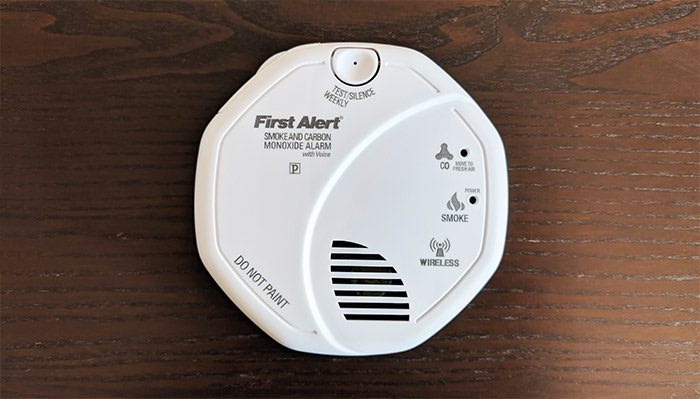
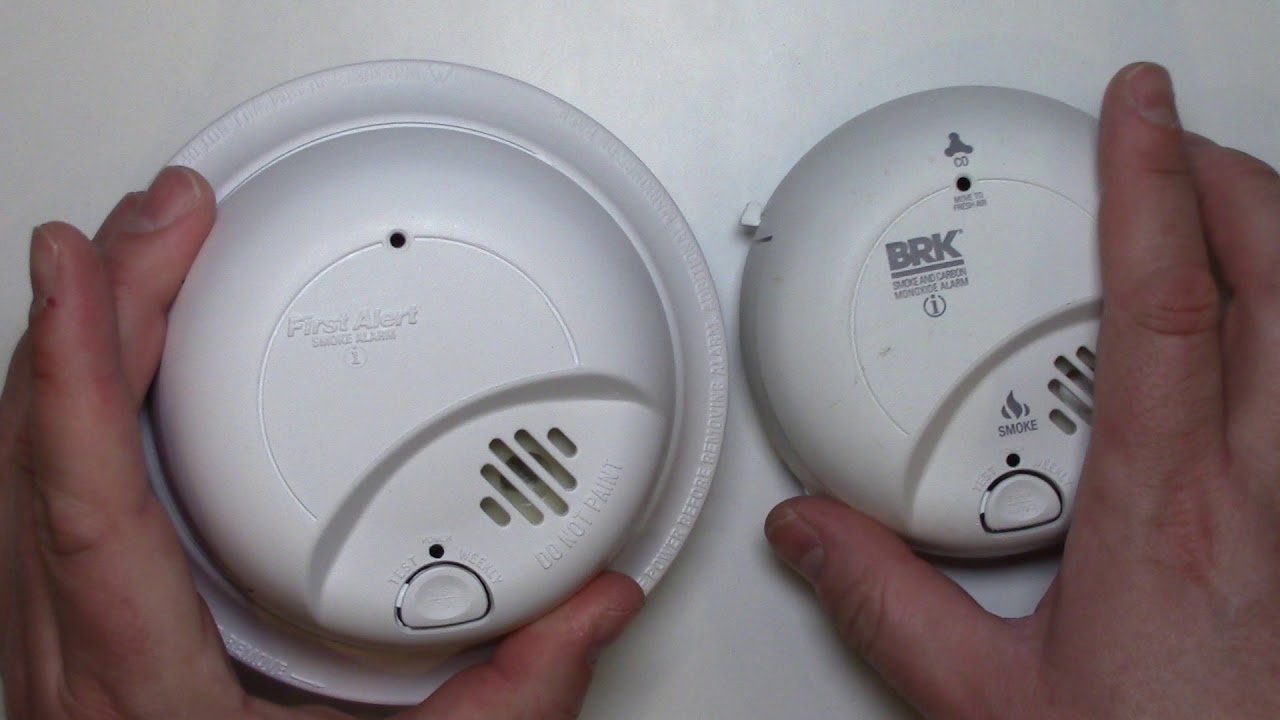
So, what's your game plan when the alarm goes off? First and foremost, always assume it's a real fire until proven otherwise! Quickly check your home for any signs of smoke or fire. If it’s a false alarm, here’s how to regain your peace and quiet: Look for the "hush" or "reset" button on the unit; pressing it for a few seconds can often silence it temporarily. If it’s a low battery chirp, it’s time for a fresh battery swap – usually a 9-volt or AA. For dust, carefully vacuum around the unit with a soft brush attachment or use canned air to clean the vents, making sure to avoid spraying directly into the sensor. If steam or cooking fumes are the issue, simply open windows and doors to air out the space. If the alarm is old, or constantly giving false alarms despite your best efforts, it’s a clear sign it's time for a brand new replacement.
By understanding these common scenarios and knowing how to troubleshoot, you transform from a victim of the dreaded "BEEP!" into an empowered homeowner. You'll not only save your eardrums but also ensure that when your First Alert alarm truly sounds the alarm for danger, you'll know it's not crying wolf. That, my friends, is the true benefit: a quiet home, a clear head, and the peace of mind that your safety system is working correctly.