First Alert Fire Alarm Beeping 3 Times

Ah, the humble First Alert fire alarm. It’s not exactly a gadget you enjoy in the traditional sense, like a fancy coffee maker or a surround sound system. Yet, deep down, we all have a profound appreciation for that vigilant little disc on our ceiling. It’s the unsung hero of home safety, the silent guardian (until it’s not so silent), and frankly, a master of dramatic entrances at 3 AM. We "use" it because it offers something priceless: peace of mind. Knowing that while we sleep, work, or simply exist in our cozy abodes, there’s a technological sentry standing guard against unseen dangers is truly comforting.
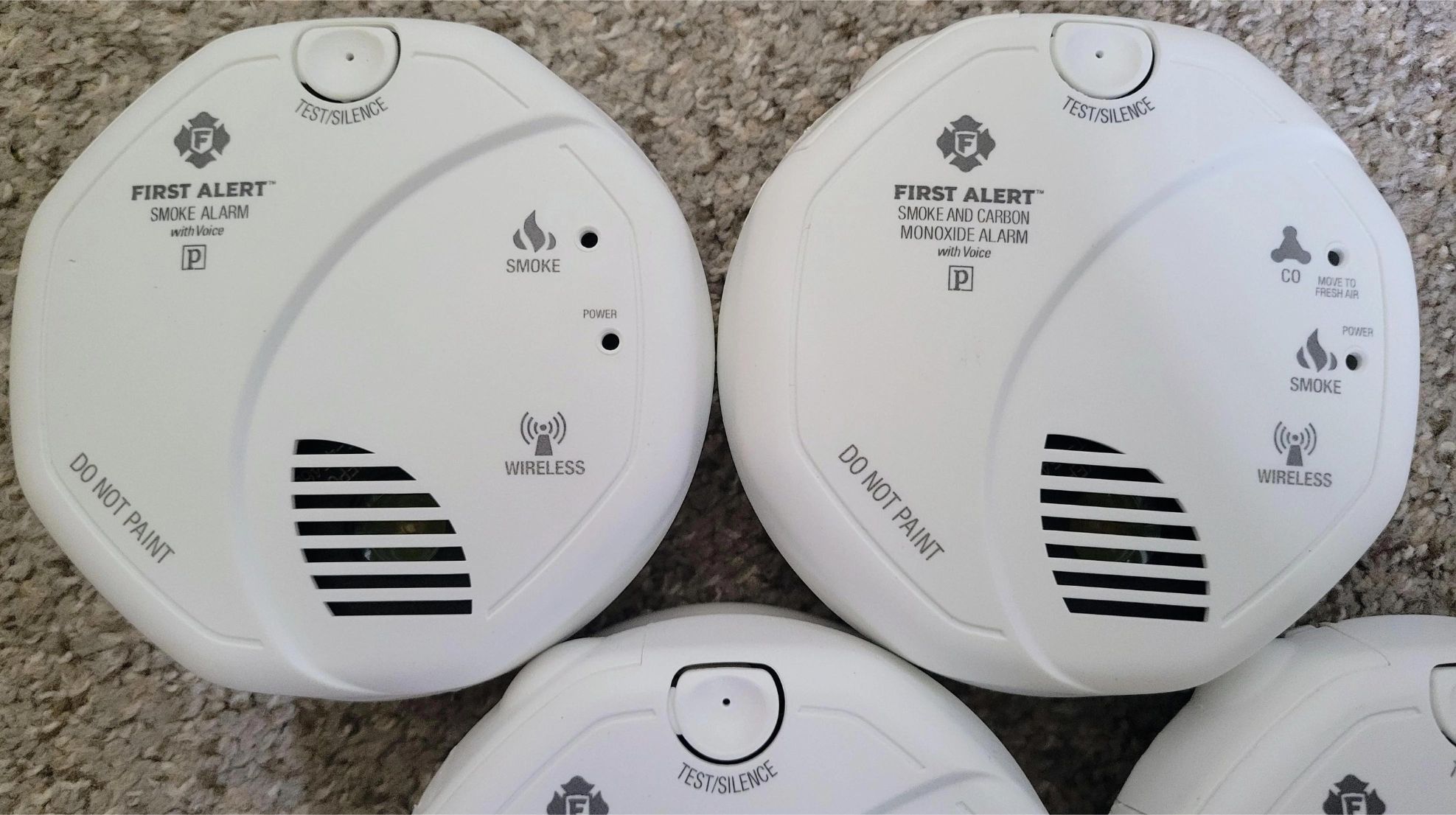
The primary benefit of our First Alert friend is, of course, its ability to give us a crucial heads-up. It’s designed to be our first line of defense, buying us precious minutes to react and protect our loved ones and property. But what about when it starts its peculiar little symphony of three beeps? Unlike the continuous shriek of a fire alarm or the single, plaintive chirp of a low battery, the three-beep pattern is a very specific, very important message. It’s your carbon monoxide detector trying to tell you something vital: potential CO presence detected!
This silent killer, carbon monoxide, is odorless, colorless, and tasteless, making your detector an absolutely essential part of your home safety arsenal. Common culprits for CO leaks often include faulty furnaces, water heaters, gas stoves, or even a car left running in an attached garage. Your First Alert isn't just beeping to annoy you; it's giving you an early warning that could quite literally save lives. It's an invisible shield made audible, turning a potential tragedy into a manageable incident by giving you the signal to act quickly and decisively.
Must Read
So, how can we "enjoy" this particular First Alert alarm more effectively? By understanding its language and responding with confidence! Here are some practical tips:
- Don't Panic, But Don't Ignore: The 3-beep pattern means carbon monoxide. A continuous 4-beep pattern means fire. A single chirp every minute or so means low battery. Knowing the difference is key to a calm, effective response.
- Ventilate Immediately: If you hear three beeps, open windows and doors to air out your home.
- Evacuate: If the alarm persists after ventilating, or if anyone is experiencing symptoms like headache, dizziness, nausea, or shortness of breath, get everyone out of the house immediately.
- Call for Help: Once you're safely outside, call your local fire department or emergency services (911 in the US). They have the equipment to detect CO levels accurately.
- Identify and Rectify: After the immediate danger is assessed, have a qualified technician inspect your fuel-burning appliances (furnace, water heater, etc.) to find and fix the source of the CO.
- Test Regularly: Press the test button monthly to ensure your unit is working.
- Know Its Lifespan: CO detectors don't last forever. Most need to be replaced every 5-7 years. Check the manufacture date on your unit.
By understanding what that particular three-beep serenade means, you turn a moment of potential alarm into an opportunity for swift, informed action. Your First Alert isn't just a gadget; it's a vigilant partner in keeping your home safe, allowing you to truly "enjoy" the security it provides.