
First Alert Fire Alarm Battery Replacement
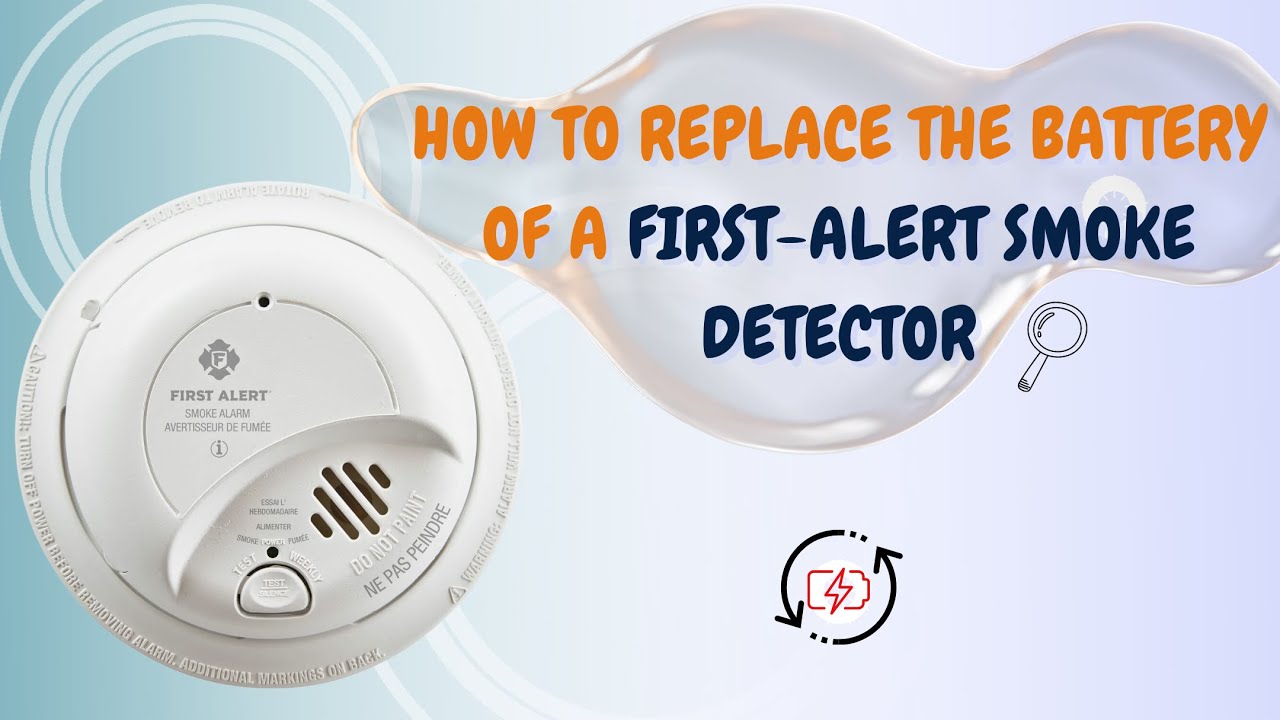
Ah, the subtle symphony of home. The hum of the fridge, the gentle whir of the fan, and then… that distinct, high-pitched chirp. If you’re a homeowner, renter, or really, anyone with a roof over their head, you know this sound. It's the unmistakable call of a First Alert fire alarm saying, "Hey, human! My battery is on its last legs!"
Let's be real, that little chirp can be a master of irritation. It always seems to start at 3 AM, or right when you're in the middle of a binge-watching session. But before you grab a pillow to muffle the sound, take a deep breath. That chirp isn't just an annoyance; it’s a tiny, crucial guardian reminding you about something incredibly important: your safety.
Why That Chirp Matters (Beyond Your Sleep Schedule)
Think of your fire alarm as your home's vigilant sentinel. It’s always on duty, sniffing the air for signs of danger, even when you're blissfully unaware. When that battery starts to dwindle, the alarm lets out that tell-tale chirp to tell you it needs a power boost to keep doing its job. Ignoring it is like telling your best friend not to warn you about a runaway shopping cart – not a great idea!
Must Read
Replacing those batteries is one of those simple, yet profoundly impactful, tasks that contribute to your peace of mind. It’s a bit like changing the oil in your car or giving your pet their annual check-up; it’s routine maintenance for your life-saving device.
When to Swap 'Em Out: The Golden Rules
Besides the obvious "Chirp! Chirp!" alert, there are a couple of proactive times you should be swapping out those batteries:

- The Annual Refresh: Many savvy folks tie this task to Daylight Saving Time. When you "spring forward" or "fall back," it's the perfect cue to replace all your fire alarm batteries. It’s an easy-to-remember cultural touchstone, a little hack that keeps your home safer year-round.
- Every 10 Years for the Unit: Did you know fire alarms actually have an expiration date? Most units, including First Alert, need to be replaced entirely every 10 years. Check the back of your alarm; there's usually a manufacture date. This is an important, often overlooked, safety fact!
The How-To: A Super Simple Step-by-Step
Ready to silence that chirpy culprit and boost your home's safety? Here’s your straightforward guide:
1. Gather Your Arsenal: You'll need replacement batteries (check your current alarm for the type – often 9V, AA, or AAA), and perhaps a step stool if your alarms are ceiling-mounted. Maybe a warm beverage for moral support, too!
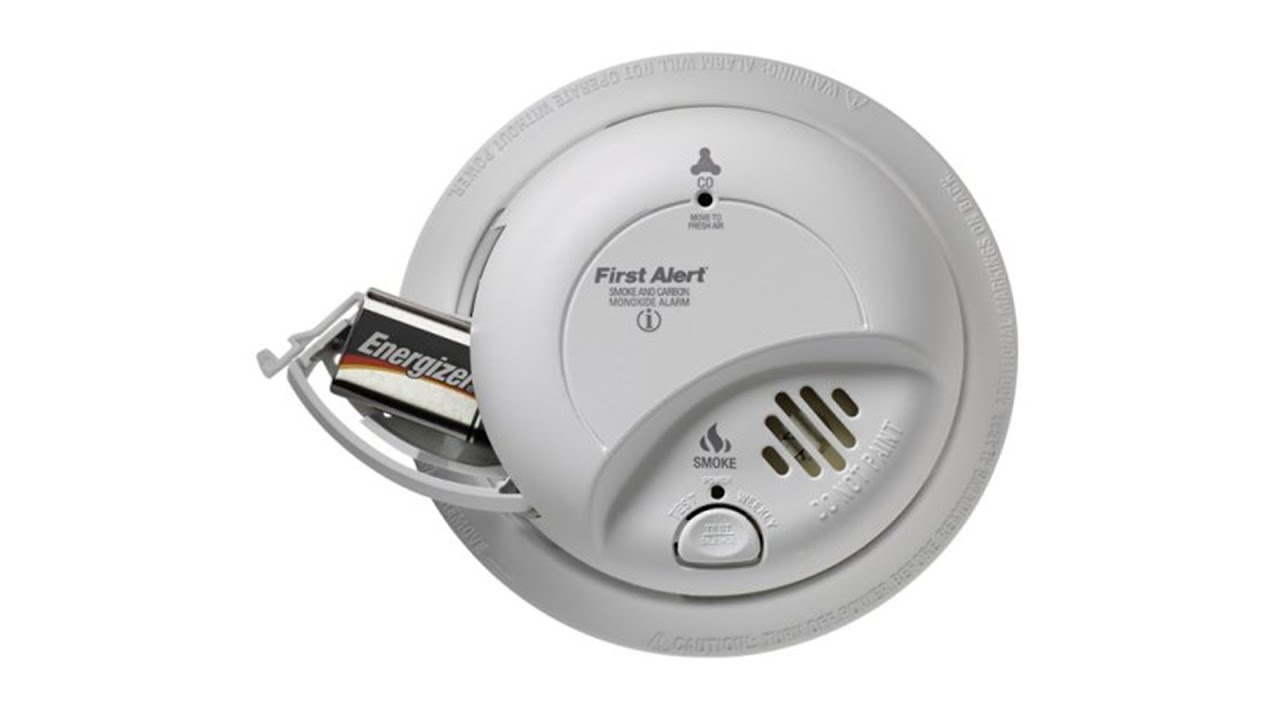
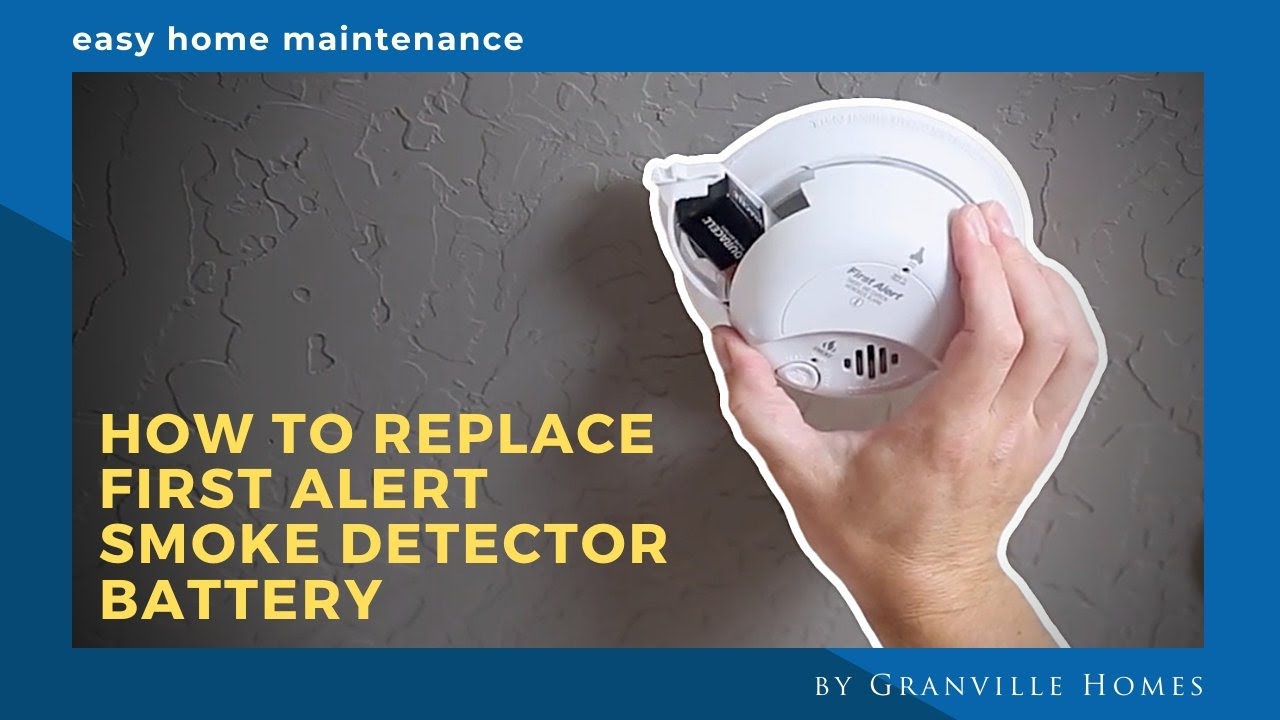
2. Identify and Access: Most First Alert alarms are clearly labeled. To get to the battery compartment, you usually twist the unit counter-clockwise to remove it from its mounting base, or there's a small latch or slide-out tray. It’s designed to be user-friendly, not a puzzle box.
3. The Big Swap:
- Carefully open the battery compartment.
- Remove the old battery. Take a moment to thank it for its service!
- Insert the new, fresh battery. Make sure the positive (+) and negative (-) terminals align correctly. This is crucial!
- Close the compartment securely.
4. The All-Important Test: Once the new battery is in, put the alarm back on its base (if you removed it) and press the "Test" button. You should hear a loud, piercing siren. This confirms the alarm is powered and ready to protect. If it doesn't sound, recheck the battery placement or try a fresh battery.
Pro Tip: Grab a permanent marker and jot down the current date on the new battery. That way, next year, you’ll know exactly when you last changed it!
Beyond the Batteries: A Quick Check-Up
While you're up there, give your alarm a quick once-over. Dust and cobwebs can sometimes interfere with performance. A gentle wipe with a dry cloth is all it needs. It's like giving your little guardian a spa day!

Also, take a mental note of where your alarms are located. Do you have one on every level? In every bedroom? The National Fire Protection Association (NFPA) recommends alarms inside every sleeping room, outside each separate sleeping area, and on every level of the home, including the basement.
A Small Act, A Big Impact
It's easy to overlook these small tasks amidst the hustle and bustle of daily life. But taking a few minutes to replace a battery in your First Alert fire alarm isn't just about silencing an annoying chirp or ticking off an item on your to-do list. It's about nurturing the feeling of security within your home.
It’s a simple act of proactive care, a quiet nod to your family's safety, and a testament to the idea that sometimes, the smallest efforts yield the greatest peace of mind. So, next time that chirp starts, embrace it as a friendly reminder, and know that a few minutes of your time can keep your home safe and sound for another year.