
Fire Alarm Went Off For A Few Seconds

You know that feeling, right? You're just chilling, maybe sipping your coffee, lost in thought. Or perhaps you're deep into a work task, totally focused. Then, BAM!
That screeching, ear-splitting sound. The fire alarm! Your heart leaps into your throat. Every single nerve ending goes on high alert. It’s an instant, primal response.
Your brain immediately starts a frantic internal monologue: "Is it real? Is there smoke? Did I leave the oven on? Oh gosh, where's my phone?!" It's pure, unadulterated panic for a split second.
Must Read
But then, just as quickly as it started, it... stops. Silence. A profound, almost deafening silence that feels heavier than the alarm itself. What on earth just happened?
The Great Momentary Scare
That brief, jarring interruption is a common, often hilarious, experience. It’s not a full-blown emergency. It’s the "false start" of a false alarm. A little tease of chaos.
Think about it. One moment, you’re in your own world. The next, you’re part of a collective, deer-in-headlights tableau. Everyone around you freezes mid-sentence, mid-chew, mid-scroll.

Then comes the awkward head-tilting. The shared glances. "Did... did you hear that?" Someone usually mutters. Of course, everyone heard it! It’s designed to be impossible to ignore.
And then, the universal sigh of relief. A nervous chuckle. The immediate return to whatever mundane task was just interrupted. But now, everything feels a little... charged.
Why the Hiccup?
So, why do these alarms sometimes just give a little peep, a short burst of noise, and then quit? It's a fun mystery, isn't it?
Often, it’s a tiny glitch. Maybe a sensitive sensor caught a waft of steam from someone's super-hot shower. Or a rogue piece of dust had a brief, shining moment as a "smoke particle."
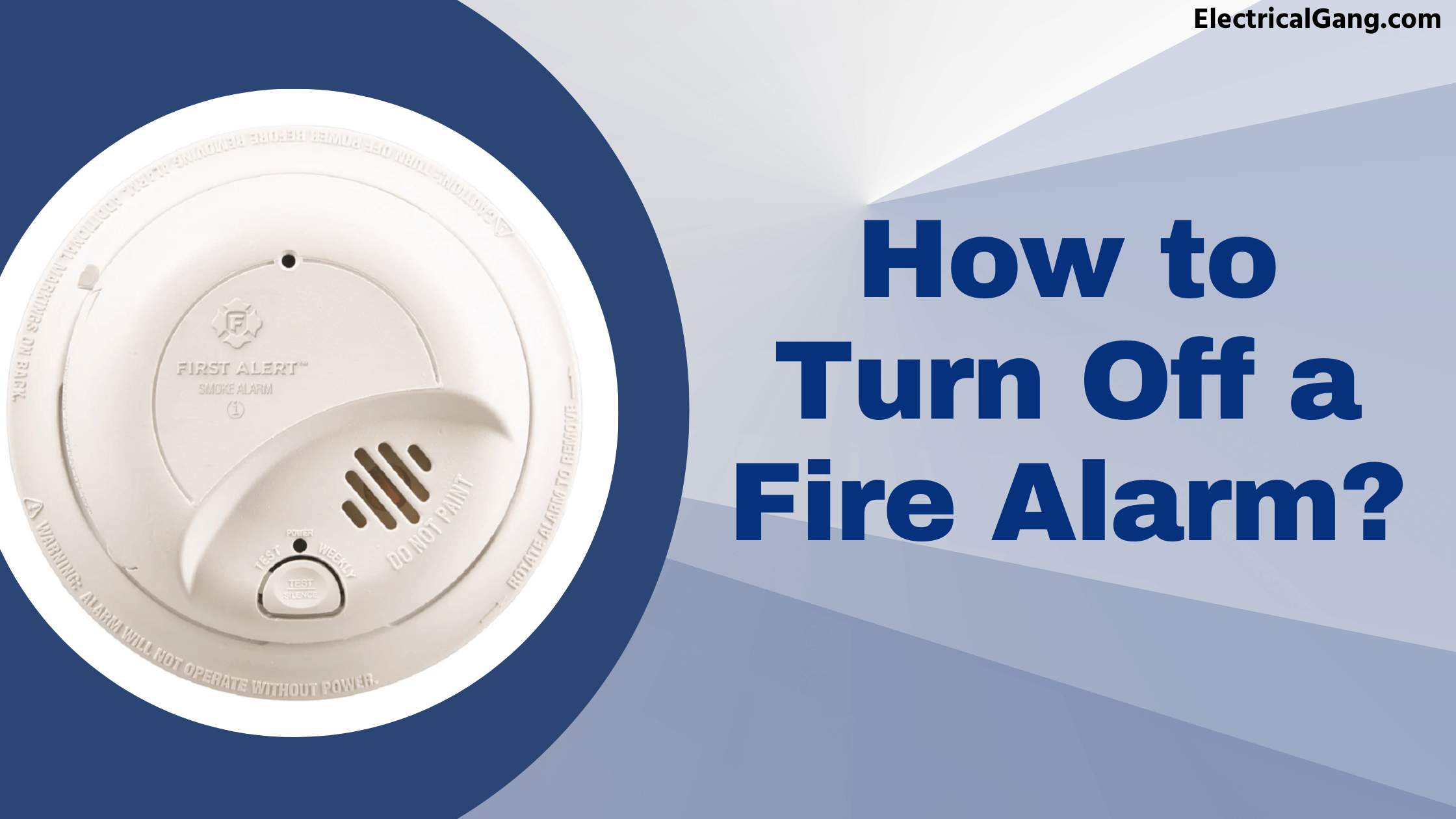
Sometimes it’s a system test gone slightly wonky. A quick power surge. Or perhaps a new battery being fitted, causing a temporary blip. These systems are complex, after all!
It could even be a tiny, momentary fault in the wiring. Just enough to trigger a brief signal, but not enough to engage the full alarm sequence. Like a sneeze, then it's gone.
And let's not forget the sheer sensitivity of these devices. They are designed to react to the slightest hint of danger. A cooking mishap can send them into a frenzy!
The Psychology of the Scream
Did you ever wonder why fire alarms sound so... well, alarming? It’s no accident! The sound frequency, usually around 3.1 kHz, is specifically chosen for maximum impact.

It's designed to cut through background noise, get your attention, and even penetrate walls. That high-pitched wail triggers an instinctive fight-or-flight response in our brains. It's built-in survival mode!
That's why even a two-second burst makes you jump out of your skin. It taps into something very ancient within us. It's a sonic wake-up call, designed to override all other thoughts.
And the pattern! The classic "three pulses" or "slow whoop" is universally recognized. Your brain processes it as "DANGER, DANGER, DANGER!" immediately.
The Unsung Heroes (and Their False Starts)
These alarms, even with their occasional dramatic flair, are incredible pieces of engineering. They stand guard 24/7, ready to warn us when real danger lurks.
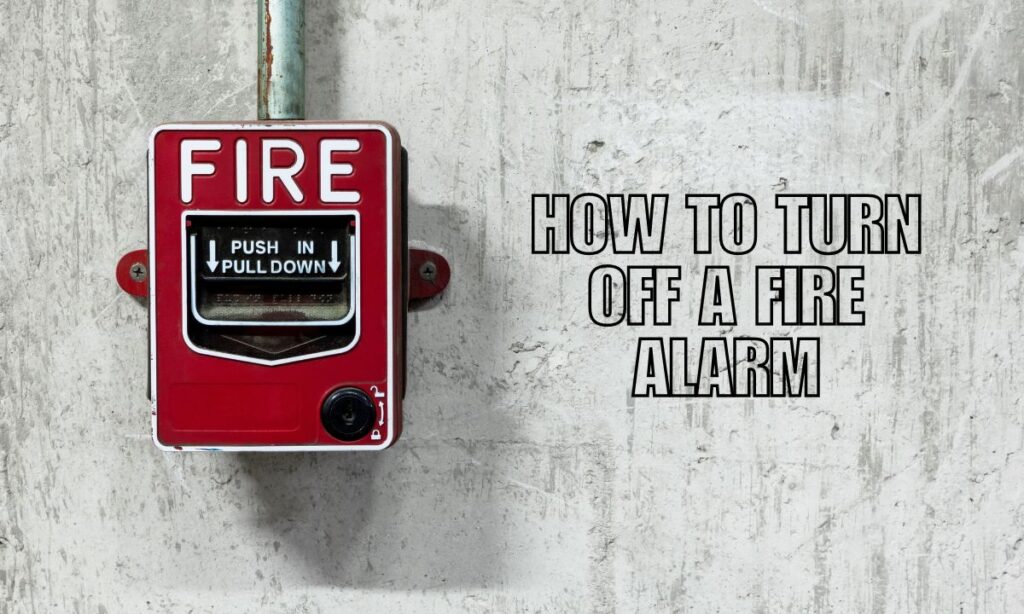
A momentary blip reminds us they are there, diligently watching. It's like they're just clearing their throat, stretching their vocal cords, ready for their moment in the spotlight.
It’s also a gentle nudge, a little mental check-in: "Do you remember the escape route? Do you know what to do?" Even a false alarm serves a tiny, subconscious training purpose.
So next time that sudden, short burst of noise erupts, don’t just groan. Take a moment. Smile. Appreciate the little safety guardian doing its job, even if it's just practicing.
It’s a reminder that even our safety systems have their quirky moments. A tiny splash of drama in an otherwise ordinary day. And honestly, isn't that just a little bit fun to think about?