Fire Alarm Keeps Beeping With New Battery

Ever found yourself staring up at the ceiling, coffee in hand, wondering why your fire alarm is still chirping that annoying little beep, even after you’ve just wrestled in a brand-new battery? You're not alone! It's one of those wonderfully common, slightly baffling household mysteries that many of us have faced. Far from being a mere annoyance, understanding this little conundrum is actually a fantastic way to peek into the subtle world of home electronics and safety, turning a moment of frustration into a little victory of knowledge. Plus, let's be honest, who doesn't love solving a good puzzle, especially one that guarantees a good night's sleep?
The primary purpose of a fire alarm, whether it's an ionization or photoelectric type, is incredibly simple yet profoundly vital: to alert us to potential danger. Its chirps, beeps, and loud alarms are all part of its communication system. When it keeps beeping with a new battery, it's not just being difficult; it's often trying to tell us something important, even if that message isn't always immediately obvious. The benefit of delving into this specific issue is twofold: firstly, it ensures our safety device is truly operational and not just silently failing, giving us invaluable peace of mind. Secondly, it saves us from unnecessary battery changes or even replacing an otherwise perfectly good alarm, saving both money and environmental waste. It’s about becoming a more informed and proactive homeowner, rather than just reacting to the incessant chirps.
This common household scenario offers a surprising amount of educational value. For instance, in a practical sense, it’s a brilliant real-world lesson in problem-solving for anyone – from curious kids to seasoned adults. It encourages systematic thinking: "I changed the battery, but it's still chirping. What's the next possible cause?" It teaches us about basic circuitry and power cycles. In daily life, understanding this issue makes us more confident in troubleshooting other simple home appliances. It's an exercise in reading instructions, checking subtle details (like battery orientation or expiry dates), and understanding when a device truly needs replacement versus a simple reset. Think of it as a mini-science experiment unfolding right in your living room, teaching valuable lessons in patience and logical deduction.
Must Read
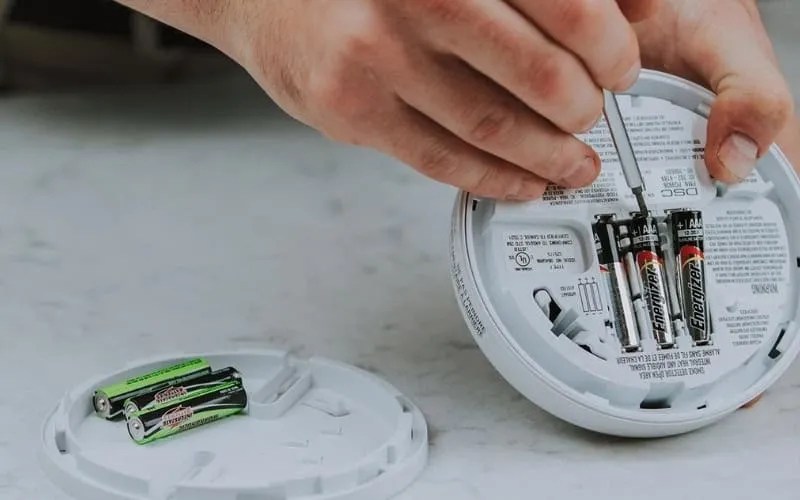
So, how can you explore this little mystery yourself? First, always remember safety first; if in doubt, consult a professional. But for simple troubleshooting, start with the basics. Did you press the test button? Sometimes, a quick test cycle after a battery change is all it needs. Next, give your alarm a gentle clean; dust can sometimes interfere with sensors or connections. Look for a tiny reset button (often recessed), which might need to be held for a few seconds. Crucially, check the manufacture date on the back of the alarm – fire alarms typically need replacing every 10 years, regardless of battery life. If it's expired, that persistent chirp might be its final farewell! Finally, try removing the new battery, waiting a full 30 seconds to allow the alarm to completely drain any residual charge, and then reinserting it. This can often perform a "hard reset" and silence that curious, persistent beep, bringing back quiet harmony to your home.