
Filler Material For Tig Welding

Let's talk about TIG welding. It’s the fancy stuff. The ballet of fabrication. You’ve got your torch, your foot pedal, and this amazing control. It feels like magic. You’re melting metal, watching it fuse. It’s pure artistry.
Then, there’s the other guy. The one who shows up unannounced. The little metal stick. We call it filler material. And let me tell you, it stirs up some feelings.
Now, I’m going to share a little secret. A slightly unpopular opinion, perhaps. But deep down, I bet many of you agree. Sometimes, just sometimes, the filler material feels... well, extra.
Must Read
Picture this: You’re doing your thing. Your puddle is perfect. It’s shiny, it’s happy, it’s listening. You’re gliding along. It’s zen. You feel like a welding god. Then you remember. Oh, right. The filler rod.
You have to feed it in. At just the right moment. Not too much. Not too little. Like a fussy baby bird, it demands attention. It interrupts your flow. It breaks your concentration. It’s the chaperone at the perfect dance party.
Think about it. We strive for that beautiful, autogenous weld. That means no filler. Just pure, unadulterated base metal melting together. It’s the ultimate flex. It’s like performing a magic trick with nothing up your sleeve. No props, no distractions. Just you and the metal. That's the dream, isn't it?
But then reality bites. Most of the time, you need the filler material. To fill a gap. To add strength. To change the composition. To make a proper connection. It’s the responsible adult in the room. The one who makes sure everything holds together. Party pooper.
And it has its own personality, this little metal stick. Sometimes, it’s shy. You dip it in, and it barely melts. You have to push it, coax it. "Come on, little buddy, join the party!" Other times, it’s an overenthusiastic diver. It plunges headfirst into your pristine puddle, creating a lumpy mess. A glob. A disappointment.
Then there’s the classic move. The
We’ve all been there. You’re mid-weld, focused, happy. You dip the rod. It sticks. You pull it away quickly, trying to save face. But the damage is done. Your weld bead has a divot. A scar. A reminder of the filler’s mischievous nature.
Or what about when you’re trying to achieve that super thin, delicate bead? You’re trying to add just a whisper of material. But the filler rod has other plans. It melts too fast. Or it clumps. It’s like trying to draw a delicate line with a giant crayon. The struggle is real.
"Oh, filler material, you make my perfect puddle less perfect."
And let’s not forget the dance. The coordination required. One hand on the torch, moving steadily. The other hand, delicately feeding the rod. It’s a two-person job, but you’re doing it solo. It’s a complicated tango where one dancer (the filler) sometimes trips over the other (your perfect puddle).
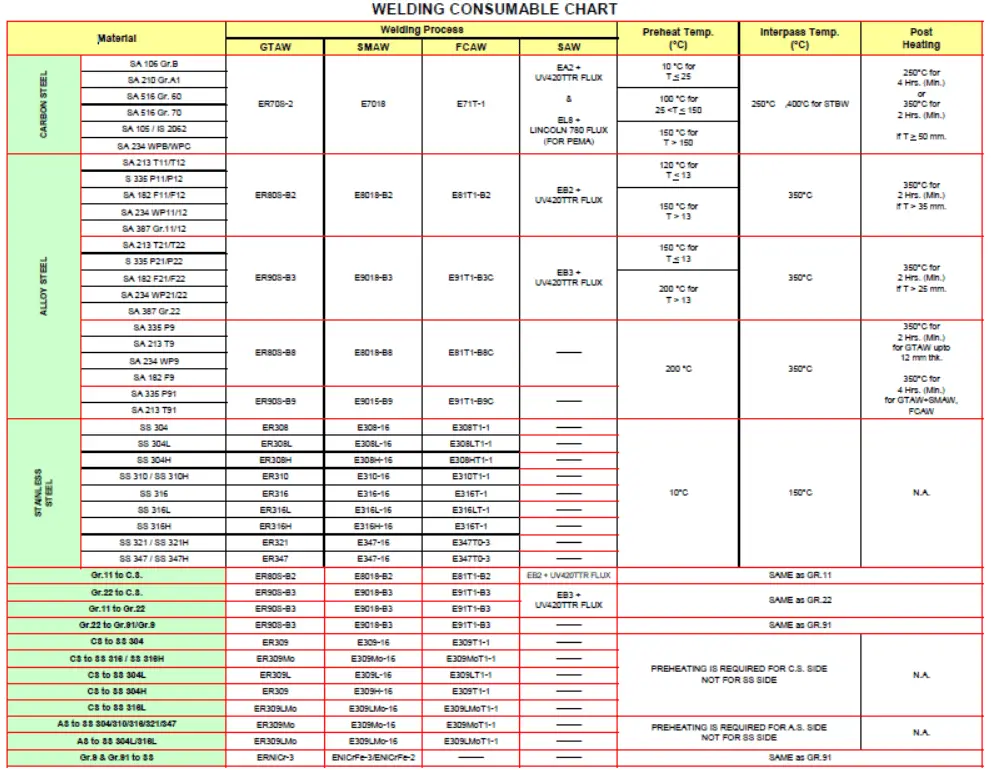
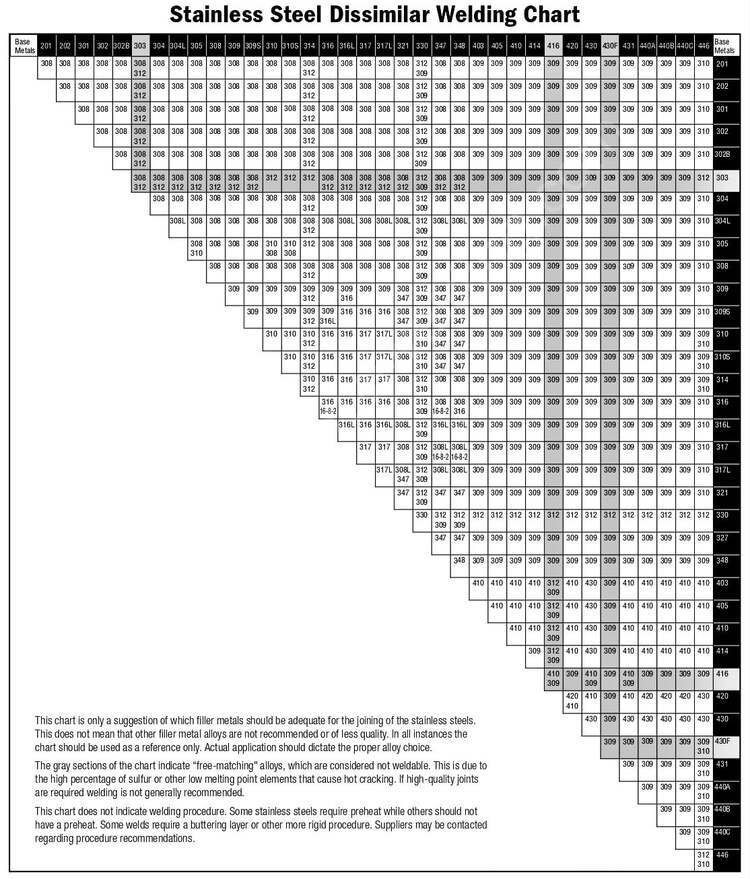
We try different sizes. Thinner rods for delicate work. Thicker ones for beefy joints. We meticulously choose the right alloy. Stainless, aluminum, mild steel. Each one behaves a little differently. Each one has its quirks. It’s like dealing with a whole family of slightly temperamental siblings.
So, yes. The filler material is vital. It strengthens. It fills. It allows us to join things that otherwise wouldn't join. It’s the unsung hero, if you will. The structural backbone. The glue that holds our creations together. And for that, we begrudgingly appreciate it.
But let’s be honest. Sometimes, you just want to do a pure, clean, autogenous weld. To show off. To experience that seamless, effortless flow. To prove you don't always need that little metal stick holding your hand.
So the next time you’re wrestling with your filler rod, making sure it melts just right, remember you’re not alone. Many of us share this unspoken, slightly playful gripe. We respect it. We need it. But sometimes, we just wish it would... chill out a bit. And let our pure TIG artistry shine.