Fernando Amorsolo Paintings And Their Names
Ever feel transported to a simpler, sun-drenched time when you see a painting? Maybe it’s a landscape bathed in golden light, or a scene of everyday life that feels both familiar and somehow… ideal? If so, you might have encountered the work of Fernando Amorsolo, a titan of Philippine art. Understanding his paintings, and even just knowing the stories behind their names, opens a window not just into art history, but into a nation's soul.
Why bother learning about Amorsolo and his painting titles? Well, think of it like this: each title is a tiny key that unlocks a deeper understanding of the artwork. It gives you context, hints at the artist's intentions, and can even reveal historical or cultural nuances that you might otherwise miss. It’s like watching a movie with subtitles versus watching it without. You get so much more out of the experience when you understand the language and the nuances of the story.
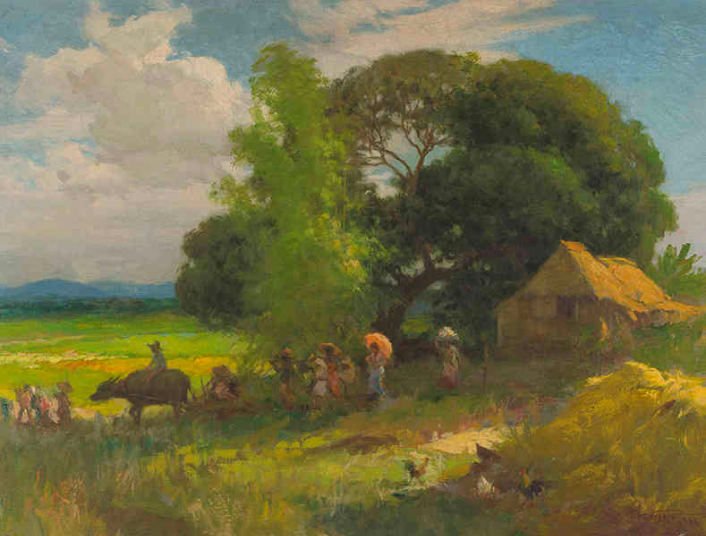
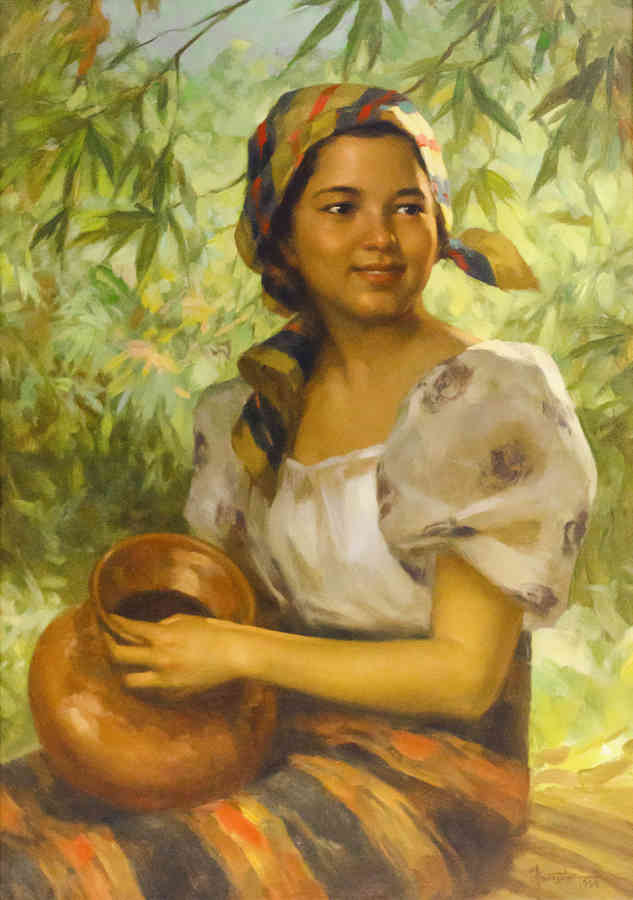
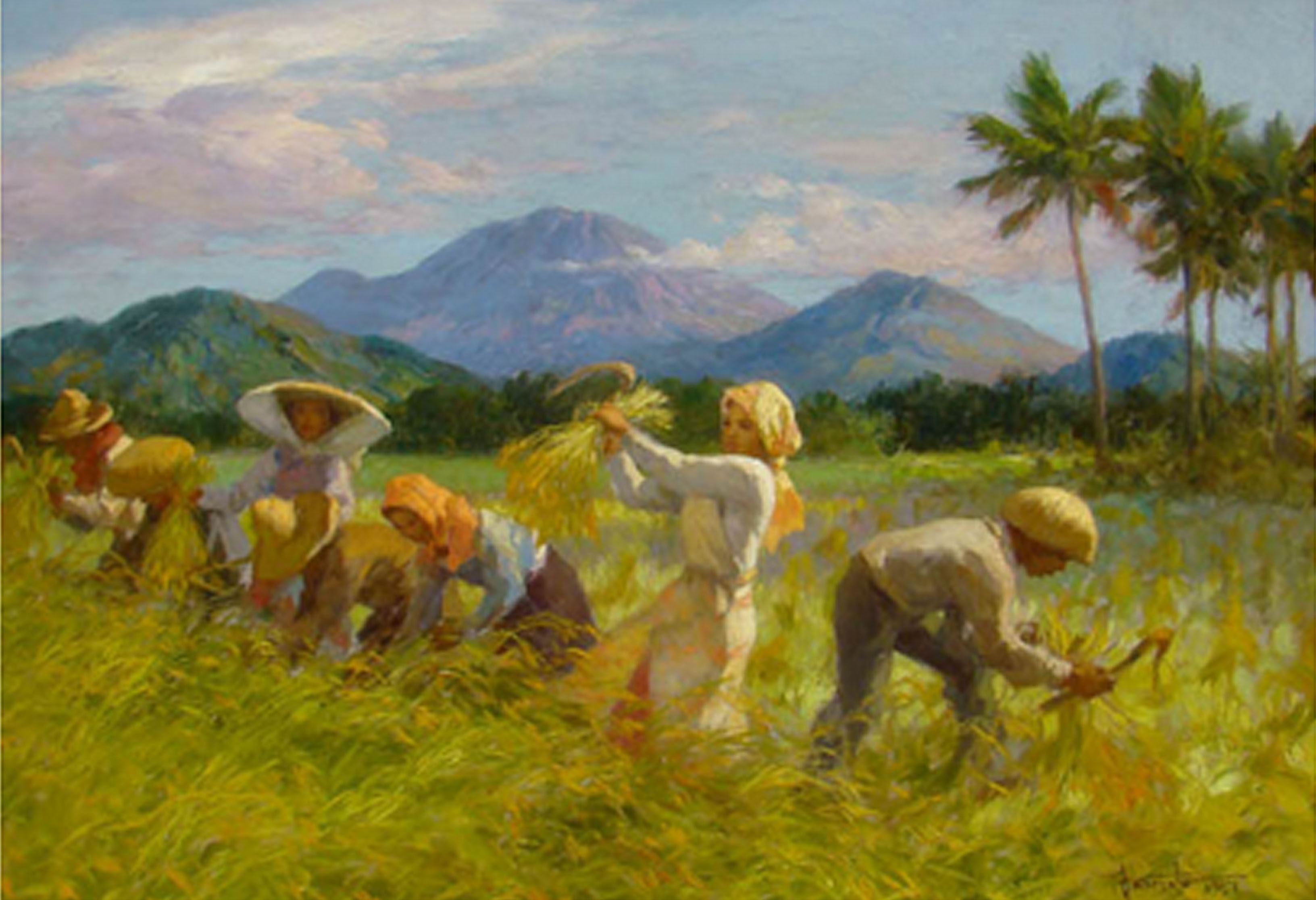
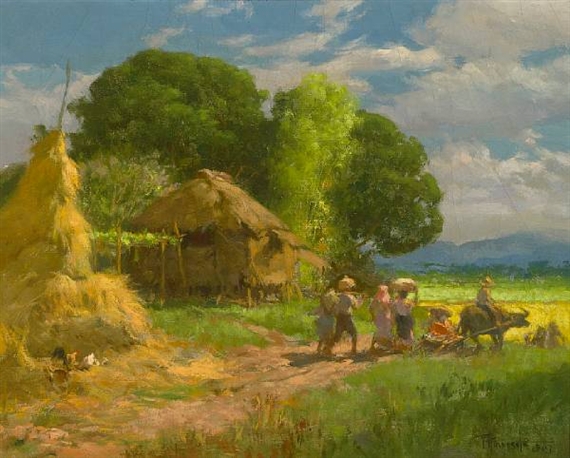
Furthermore, exploring Amorsolo's paintings offers a beautiful glimpse into the Philippines' rural landscapes and traditions. His works often depict rice planting, harvesting, market scenes, and celebrations, showcasing the beauty of Filipino culture. Understanding the names of these paintings, often in Tagalog, adds another layer of appreciation. For instance, knowing that "Planting Rice" is literally "Pagtatanim ng Palay" allows you to connect with the subject matter on a more personal level. It's more than just seeing a painting; it's engaging with a cultural narrative.
Must Read
So, how can this knowledge be used in everyday life? Imagine you are visiting a museum and stumble upon an Amorsolo painting. Knowing that “Lavanderas” refers to women doing laundry by the river immediately brings the scene to life. You understand the everyday chore being depicted and can appreciate the artistry in capturing that moment. Or, perhaps you're discussing Philippine history in a class. Amorsolo's works, such as "The First Baptism in the Philippines," become valuable visual aids, sparking discussions about the arrival of Christianity and its impact on the nation. In education, Amorsolo's works are invaluable resources for teaching Philippine history, culture, and art.
Here are a few practical tips for exploring Amorsolo's paintings and their names:
- Start with the basics: Look up famous Amorsolo paintings online. Many websites dedicated to Philippine art will list his notable works along with their English and Tagalog titles.
- Use online resources: Websites like the National Museum of the Philippines and various art blogs often provide insightful analyses of Amorsolo’s paintings and their historical context.
- Pay attention to detail: Look closely at the details in each painting. What are the people wearing? What are they doing? How does the light affect the scene? These observations will help you understand the subject matter and the story behind the title.
- Don’t be afraid to ask: If you're visiting a museum or gallery, don't hesitate to ask the staff about the paintings and their titles. They can often provide valuable insights and anecdotes.
- Think of the era: Considering the historical period when Amorsolo was painting will help you understand the context and significance of his work.
Ultimately, exploring Fernando Amorsolo's paintings and understanding their names is a journey of discovery – a journey into the heart of Philippine art and culture. It’s a chance to connect with a rich heritage and appreciate the enduring beauty of the Filipino spirit. So, take a moment, explore his art, and let the golden light of Amorsolo’s paintings illuminate your understanding of the Philippines.