Fan Switch Up Or Down In Summer

Ah, summer! The golden sun, long days, and... the inevitable quest for cool. While air conditioners roar and ice cubes clink, there's a quieter hero often overlooked in our pursuit of comfort: the humble ceiling fan. But here’s a little secret that can transform your summer chill strategy, turning a simple appliance into a powerhouse of relief: knowing which way your fan should spin. It’s a subtle adjustment, a minor flick of a switch, but it holds the key to unlocking peak performance and truly beating the heat. Forget just turning it on; let's talk about mastering your fan's direction!
You might be wondering, "What's the big deal? A fan is a fan!" But understanding the magic of your fan’s directional switch offers surprising benefits for every homeowner, renter, or simply anyone seeking sweet, sweet summer relief. Firstly, it leads to enhanced comfort. By optimizing airflow, you create a more effective cooling breeze, making your space feel significantly cooler without drastically lowering your thermostat. This ties into the second major perk: significant energy savings. A properly set fan can allow you to raise your AC thermostat by a few degrees, translating directly into lower electricity bills. It's an eco-friendly win, reducing your carbon footprint while keeping you comfortable. Finally, it offers a sense of empowerment – a small, satisfying hack that gives you more control over your home environment and a deeper understanding of the simple physics at play.
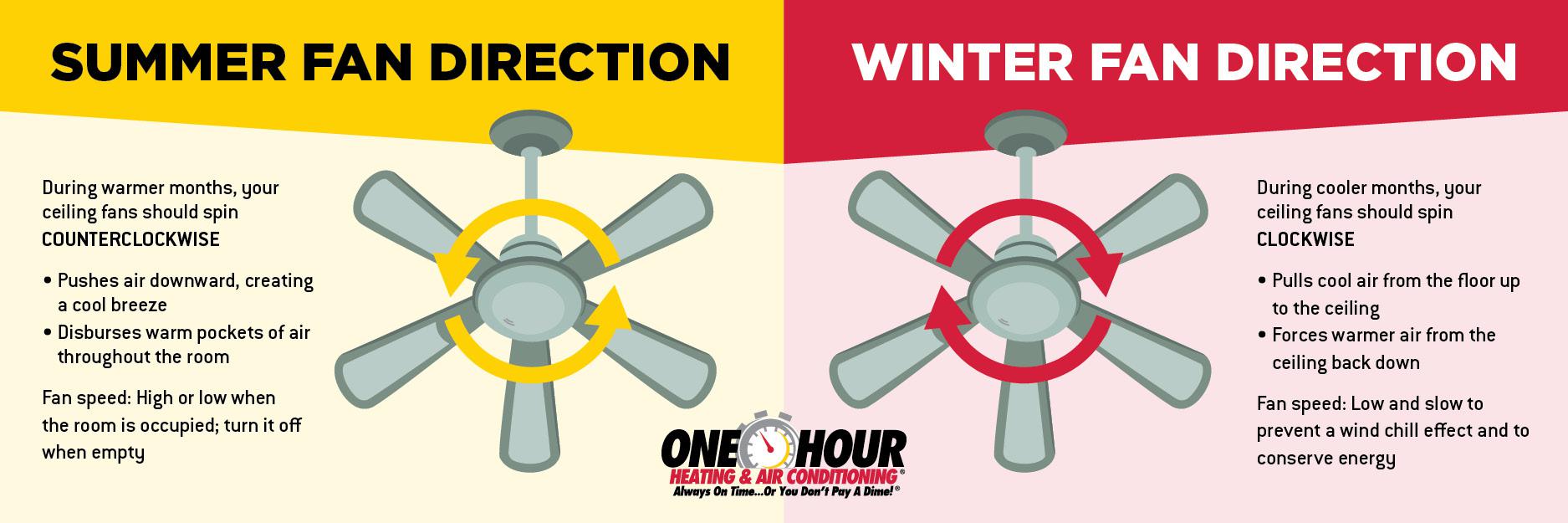
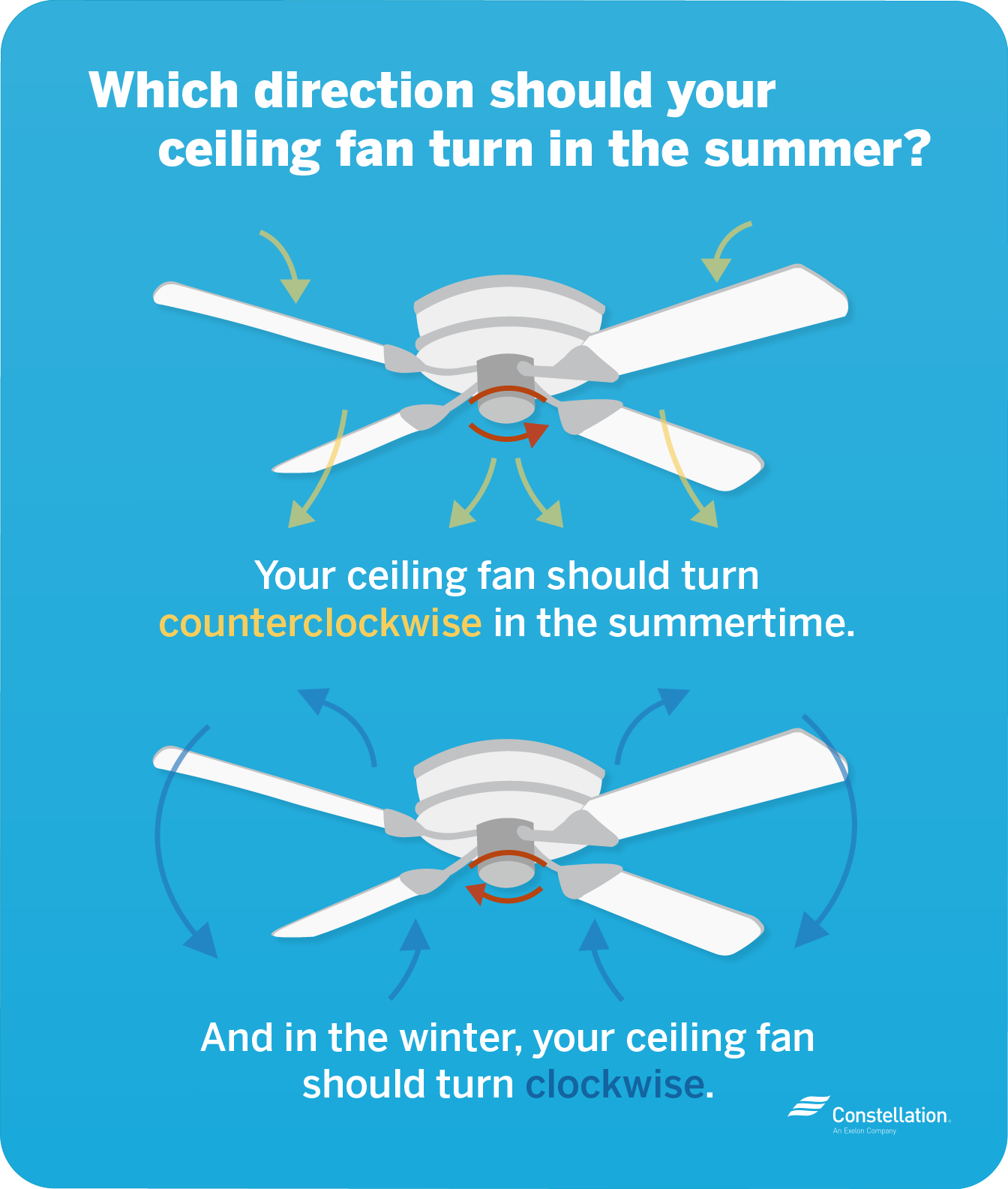
So, what does "up or down" really mean for summer? In a nutshell, for optimal cooling in the warmer months, your ceiling fan blades should rotate in a counter-clockwise direction. Imagine looking up at the fan; the blades should appear to be sweeping down towards you from left to right. This creates a strong downdraft, pushing cool air down and generating a delightful wind-chill effect. This is the "down" setting for summer. Conversely, in winter, you'd switch it to clockwise rotation (the "up" setting) to gently pull warm air upwards, circulating it without creating a chilling breeze. The beauty is in the simplicity, applying the same principle to various fan styles, from sleek modern designs to rustic farmhouse fixtures, making every fan a potential cooling champion.
Must Read
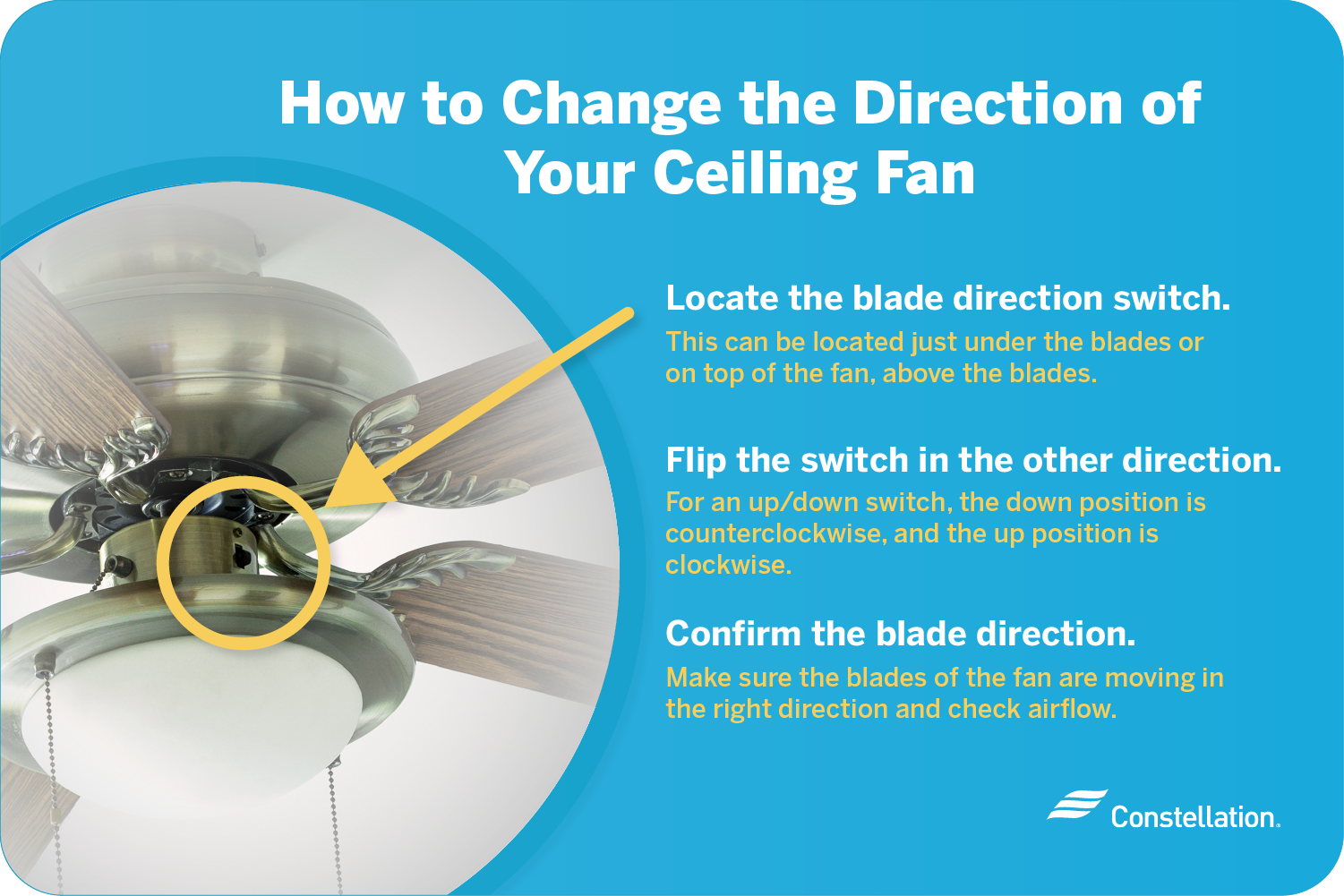
Ready to try this game-changer at home? Here are a few simple tips: First, locate the directional switch. This is typically a small, discreet toggle found on the motor housing of your ceiling fan itself. You might need a step stool to reach it. Crucially, always turn off your fan completely before attempting to change its direction! Once located, simply flip the switch. Now, turn your fan back on and observe the blade rotation. For summer, you want the blades to be moving counter-clockwise, pushing air directly down onto you. Feel the difference! If the breeze isn't noticeable, you might have it on the wrong setting or need to adjust the fan speed. A quick visual check (do the blades seem to push air down, or pull it up?) and a hand under the fan will confirm if you’ve nailed the perfect summer spin.
There's a quiet satisfaction in mastering these small home efficiencies. Optimizing your ceiling fan for summer isn't just about saving money or staying cool; it's about appreciating the clever design of everyday objects and taking charge of your comfort. It’s a micro-mastery, a delightful discovery that makes your living space feel just a little bit smarter, and a lot more enjoyable, especially when those dog days of summer really kick in. So go ahead, make that switch, and let your ceiling fan become the unsung hero of your summer oasis!