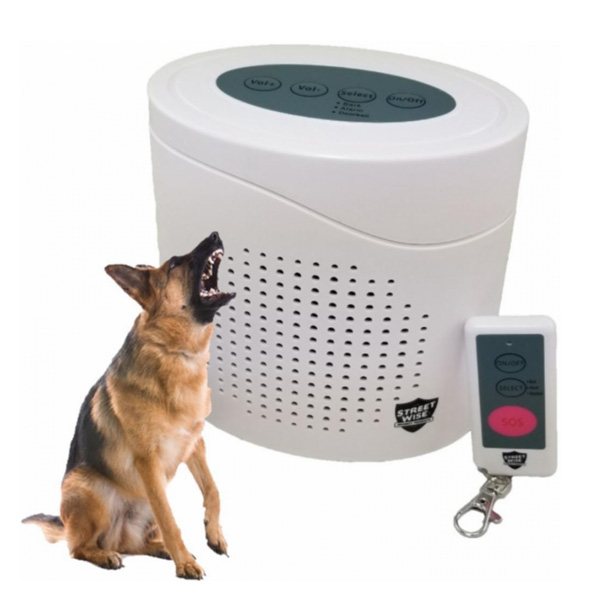
Fake Dog Bark For Security

There’s a certain comfort in knowing your home is secure, isn't there? For many, that comfort comes with the presence of a loyal, four-legged friend. But what if a real dog isn't an option? Perhaps you travel often, live in a pet-unfriendly building, or simply aren’t ready for the immense responsibility. Fear not, because modern ingenuity has barked up a brilliant solution: the fake dog bark for security. It's a surprisingly effective and undeniably clever way to gain a powerful sense of peace of mind without ever needing to scoop poop or pay vet bills.
The beauty of a simulated dog bark lies in its primary purpose: deterrence. Burglars and unwelcome guests are, by nature, looking for an easy target. The sound of an agitated dog from within a home immediately suggests an occupant, a potential confrontation, and a much less appealing opportunity. It’s a powerful psychological barrier, creating the illusion of a vigilant guard dog that's ready to alert its owner to any intrusion. This simple yet ingenious trick can make your home seem less vulnerable, helping you sleep sounder at night or enjoy your vacation without constant worry.
So, how does this ingenious solution manifest in everyday life? You'll find it in various forms, making it incredibly versatile. Common examples include standalone, motion-activated devices that you can place near a door or window. When someone approaches, a convincing bark or growl erupts, startling the potential intruder. Many modern security systems and smart home hubs also offer this feature, allowing you to schedule barks throughout the day or activate them remotely via an app. Some sophisticated doorbell cameras even have built-in bark sounds that trigger upon detecting movement, adding an extra layer of protection right at your doorstep. Whether you’re away on a trip or simply want an extra measure of security when you’re home alone, the fake bark provides an ultimate low-maintenance deterrent.
Must Read
To truly maximize the effectiveness of your digital canine companion, a few practical tips can make all the difference. Firstly, strategic placement is key. Position your device near primary entry points like the front door, back door, or ground-floor windows. Secondly, consider the volume and sound. It should be loud enough to be heard clearly from outside, but not so deafeningly loud that it sounds fake or becomes a nuisance to neighbors. Many devices offer various bark sounds; choosing one that sounds like a larger, more intimidating breed can be more impactful. Thirdly, randomization adds realism. If your device or system allows for varied barks or irregular intervals, use it. A predictable, looping bark can eventually be identified as fake. Lastly, remember that a fake dog bark is best used as part of a layered security approach. Combine it with good locks, exterior lighting, and perhaps a security camera for comprehensive protection. It’s not just about the bark; it's about creating an overall impression of a well-secured home. With these tips, you can enjoy the robust security benefits of a watchful companion, all while keeping your carpet pristine and your schedule flexible.