Explain How Calisthenics Can Include Both Isometric And Isotonic Exercises.

Alright folks, gather 'round! Let's talk calisthenics! You might think of it as just push-ups and pull-ups, but oh honey, it's SO much more than that. We're diving into the surprisingly chill world of how calisthenics embraces both isometric and isotonic exercises. Trust me, it's way less complicated than it sounds, and a whole lot more fun!
Isotonic: The Movement Masters
First up, let's tackle isotonic exercises. Think of "iso-TONIC" as "tone-IC," because these are all about changing the length of your muscles while they’re working. Basically, you’re moving! Picture this: you're doing a bicep curl with a dumbbell. Your bicep shortens as you lift the weight (that's a concentric contraction), and then it lengthens as you lower it (that's an eccentric contraction). Ta-da! Isotonic exercise in action!
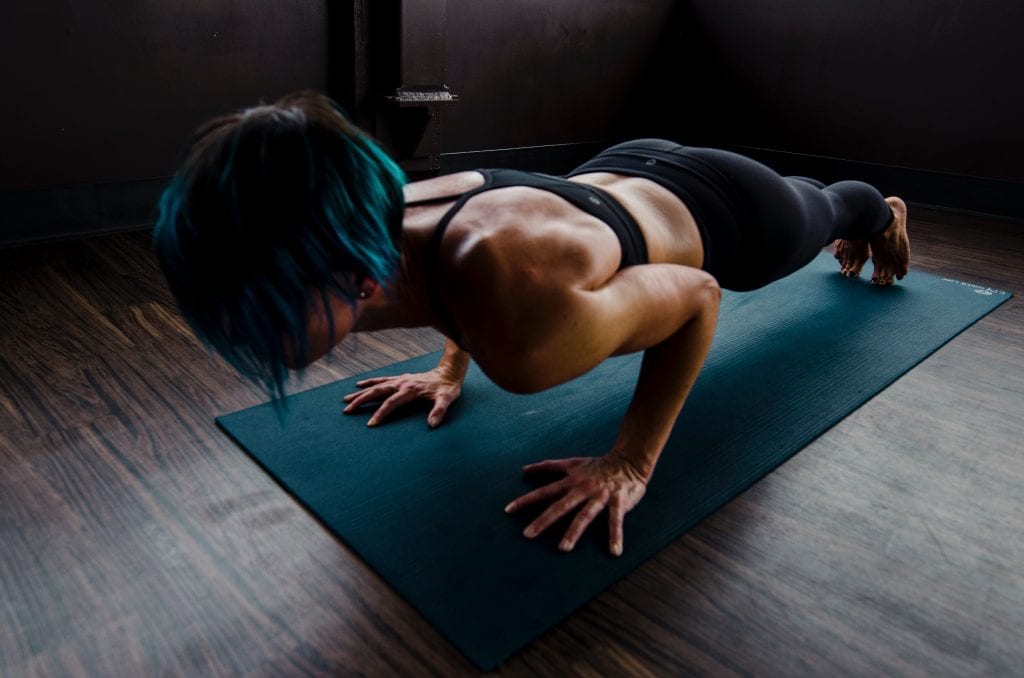
Now, swap that dumbbell for… well, your body! A push-up is a perfect isotonic calisthenics exercise. You lower yourself down (chest to the floor, or as close as you can get – no cheating!), and your chest and triceps muscles lengthen. Then, you push yourself back up, and those same muscles shorten. That's isotonic baby! Other examples include:
Must Read
- Squats: Going down and up, feeling that burn in your quads? Isotonic!
- Pull-ups: Hanging from a bar and pulling yourself up? You guessed it! Isotonic! Even if you only manage one (or half of one), you're doing great!
- Lunges: Stepping forward and bending your knee? Isotonic all the way!
Essentially, if your muscles are changing length while they're contracting, you're in isotonic territory. And that's like, 90% of what people think of when they hear the word exercise, so you're probably already a pro!
Isometric: The Statue Squad
Now, for something completely different: isometric exercises. The key here is that your muscles are contracting, but they're not changing length. Think of it like trying to push a wall. You're using a ton of muscle power, but the wall isn't budging. You're basically locked in a muscle-flexing standoff.

In calisthenics, a perfect example of an isometric exercise is a plank. You’re holding your body in a straight line, engaging your core, glutes, and shoulders, but you’re not actually moving. Your muscles are working overtime to keep you stable, but their length isn't changing. It's like they're having a silent, internal battle of strength. And that’s isometric perfection!
Another great example is holding a wall sit. You're sitting against a wall, knees bent at 90 degrees, like you're sitting in an invisible chair. Your quads are screaming (in a good way, hopefully!), but they're not lengthening or shortening. It's pure, unadulterated isometric goodness.
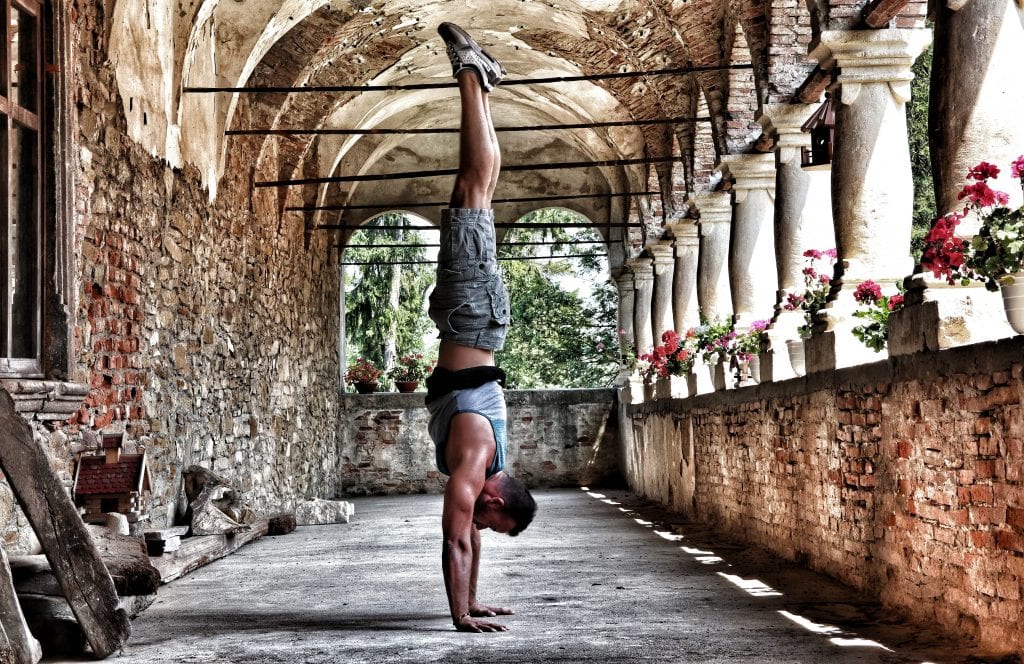
Other isometric calisthenics moves include:
- Holding the top position of a push-up: Just hovering there, chest inches from the floor. Torture? Maybe. Effective? Definitely!
- Holding a hollow body position: Looks easy, feels like your abs are about to explode. All isometric, all the time!
So, to recap: Isotonic = movement. Isometric = no movement (but still lots of muscle action!)
Why Mix It Up? The Calisthenics Combo!
The beauty of calisthenics is that you can seamlessly blend these two types of exercises. You can do a set of isotonic push-ups, then immediately drop into a plank for an isometric hold. This combination challenges your muscles in different ways, leading to greater strength gains, improved endurance, and a whole lot of body awareness. You’ll be feeling like a superhero in no time – or at least, a superhero who can hold a plank for a respectable amount of time!
Think of your muscles as being multifaceted, like a beautifully cut diamond. Isotonic exercises polish one face, while isometric exercises polish another. By combining the two, you get the full, dazzling effect of a truly well-rounded workout! And isn't that what we all want? To be dazzling, inside and out?
So go forth, embrace the world of calisthenics, and explore the power of both isotonic and isometric exercises! Your body (and your muscles) will thank you for it. Now, if you’ll excuse me, I'm going to go hold a plank... or maybe just eat a cookie. Decisions, decisions...