
Examples Of Direct Current And Alternating Current
-vs-direct-current-(dc).png)
Hey! So, we're chatting about electricity today, huh? Specifically, direct current (DC) and alternating current (AC). Don't worry, it's not as scary as it sounds! Think of it like choosing between still or sparkling water. Both are water, but they're… different.
Direct Current (DC): The Steady Eddy
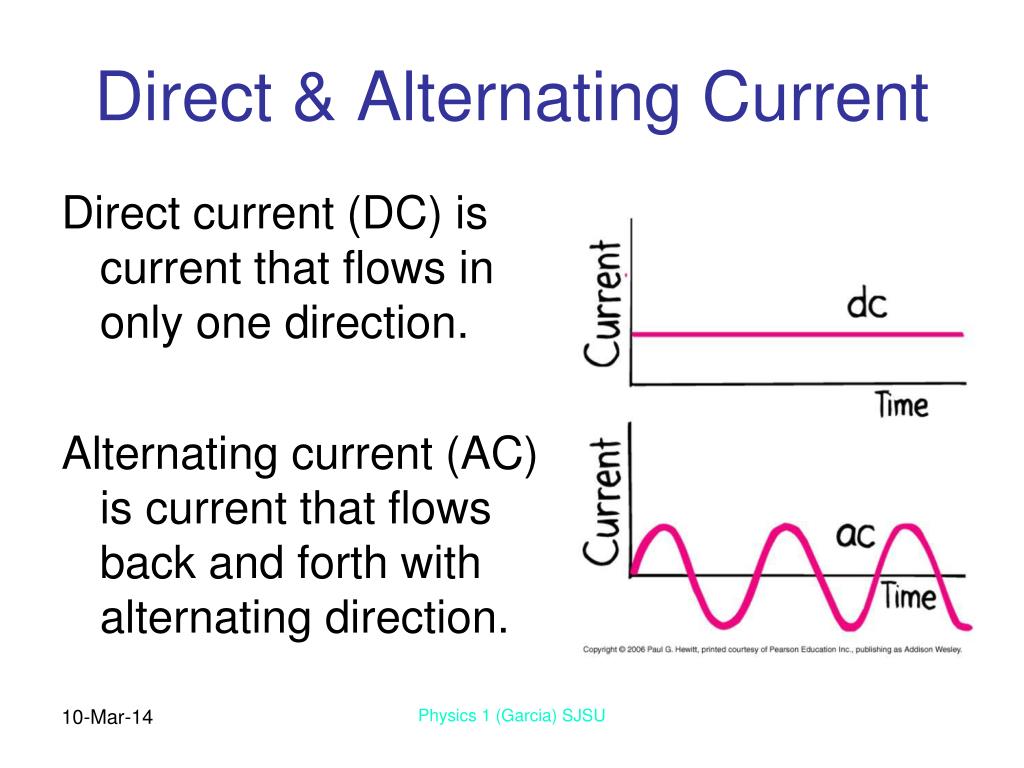
Imagine a battery. A nice, dependable battery. That's DC in a nutshell. It's like a one-way street for electrons. They all flow in the same direction. No zig-zagging, no changing their minds. Super reliable, right?
Examples, you ask? Okay, okay! Think of anything battery-powered. Your phone? DC! Your laptop (when running on battery)? DC! That ridiculously adorable remote control car your nephew loves? You guessed it: DC! They all sip on that sweet, steady stream of electrons.
Must Read
Even those solar panels on your neighbor's roof are spitting out DC power, initially. Bet you didn't think about that, did you? (Okay, maybe you did. Smarty pants!).
So, why isn't everything DC, then? Good question! Well, DC isn't great for long distances. It loses a lot of oomph over longer wires. Think of it like trying to shout a secret across a football field... by the time it reaches the other end, it's probably just mumbles.
Alternating Current (AC): The Party Animal
Now, AC is where things get a little… wild. Instead of electrons flowing in one direction, they switch back and forth. Imagine a dance party where everyone suddenly decides to switch partners every millisecond. Chaotic, but efficient! (And possibly a bit sweaty).
Think of it like this: AC is like a wave. It goes up, it goes down, it repeats. This "alternating" nature allows AC to be transmitted over long distances with much less energy loss. That's why it's used in most power grids. You know, the ones that keep your lights on and your fridge cold (thank goodness!).
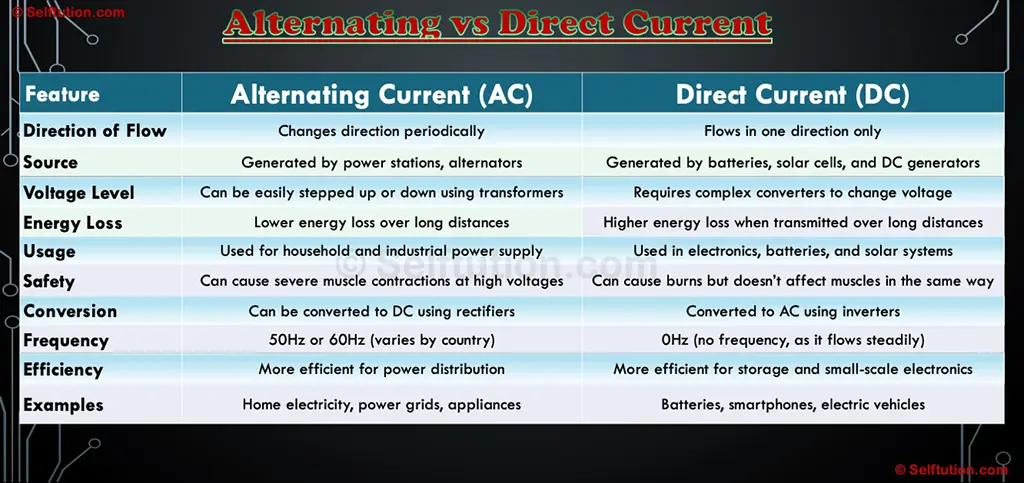
Examples? Oh, we've got loads! Pretty much anything that plugs into a wall outlet. Your toaster? AC! Your hairdryer (the one you only use for emergencies)? AC! Your TV (the one you might watch a little too much)? AC!
See, AC is the life of the party. It's everywhere! And it’s super efficient at traveling long distances.
But wait! If our phones and laptops use DC, and our wall outlets provide AC, what gives? Well, that's where adapters come in. They're like little translators, converting that wild AC party energy into a nice, calm DC flow that your devices can actually use. Clever, huh?

Essentially, your phone charger is like a tiny bouncer at a rave, letting in only the well-behaved electrons. Think of it that way, and you’ll never forget!
DC vs. AC: A Quick Recap (Because Why Not?)
Let's break it down one more time, just for fun!
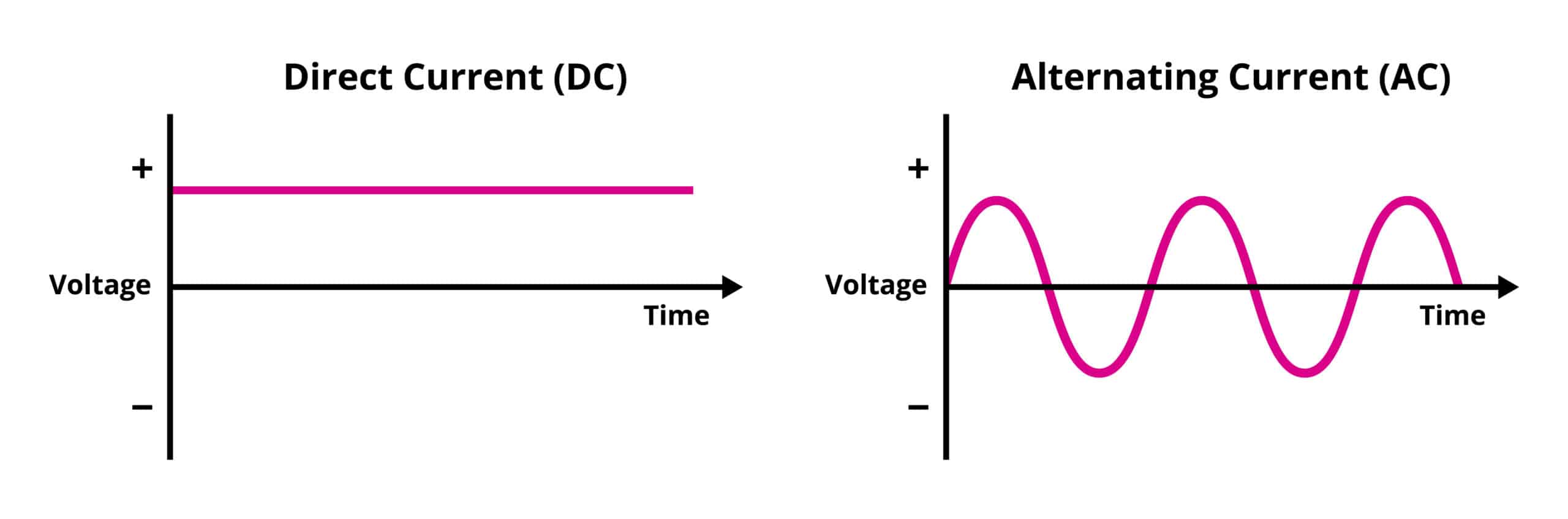
- DC: Steady, reliable, battery-powered. Think phones, laptops, remotes. Doesn't travel long distances well.
- AC: Wild, alternating, wall-outlet powered. Think toasters, TVs, hairdryers. Travels long distances efficiently.
And remember those adapters we talked about? They bridge the gap, converting AC to DC for our smaller devices.
So, there you have it! DC and AC, explained in a way that hopefully didn't make your brain explode. Now you can impress all your friends at your next coffee date with your newfound electrical knowledge. You're welcome!
Just remember, electricity is serious stuff. Don't go sticking forks in outlets, okay? Seriously!