Example Of Nuclear Fusion And Nuclear Fission
Alright, let's talk about nuclear stuff! Sounds intimidating, right? Like something out of a sci-fi movie. But trust me, it's not as scary as a robot uprising (probably). We're going to chat about nuclear fusion and nuclear fission, and I promise to keep the jargon to a minimum.
Nuclear Fission: The "Break It Down" Party
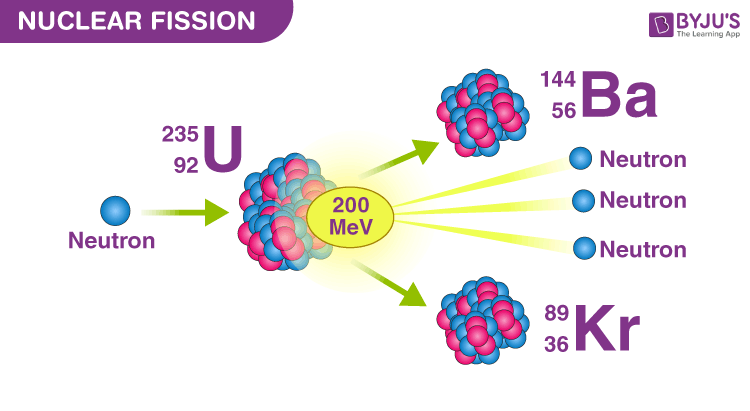
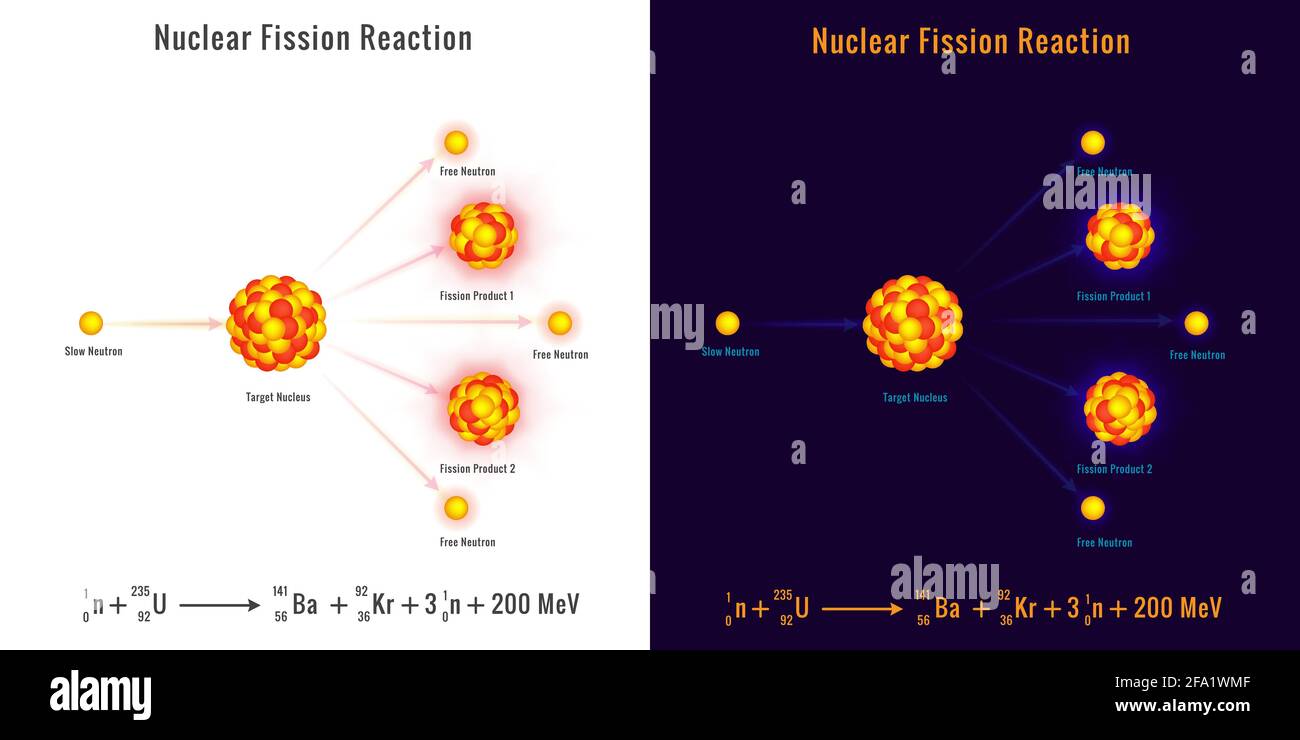
Imagine you have a Lego castle. It's awesome, you spent hours building it, but let's say... someone wants to see what makes it tick. So, they start taking it apart, brick by brick. That, in a nutshell, is fission. We're taking something big (a heavy atom, like uranium) and splitting it into smaller bits (lighter atoms).
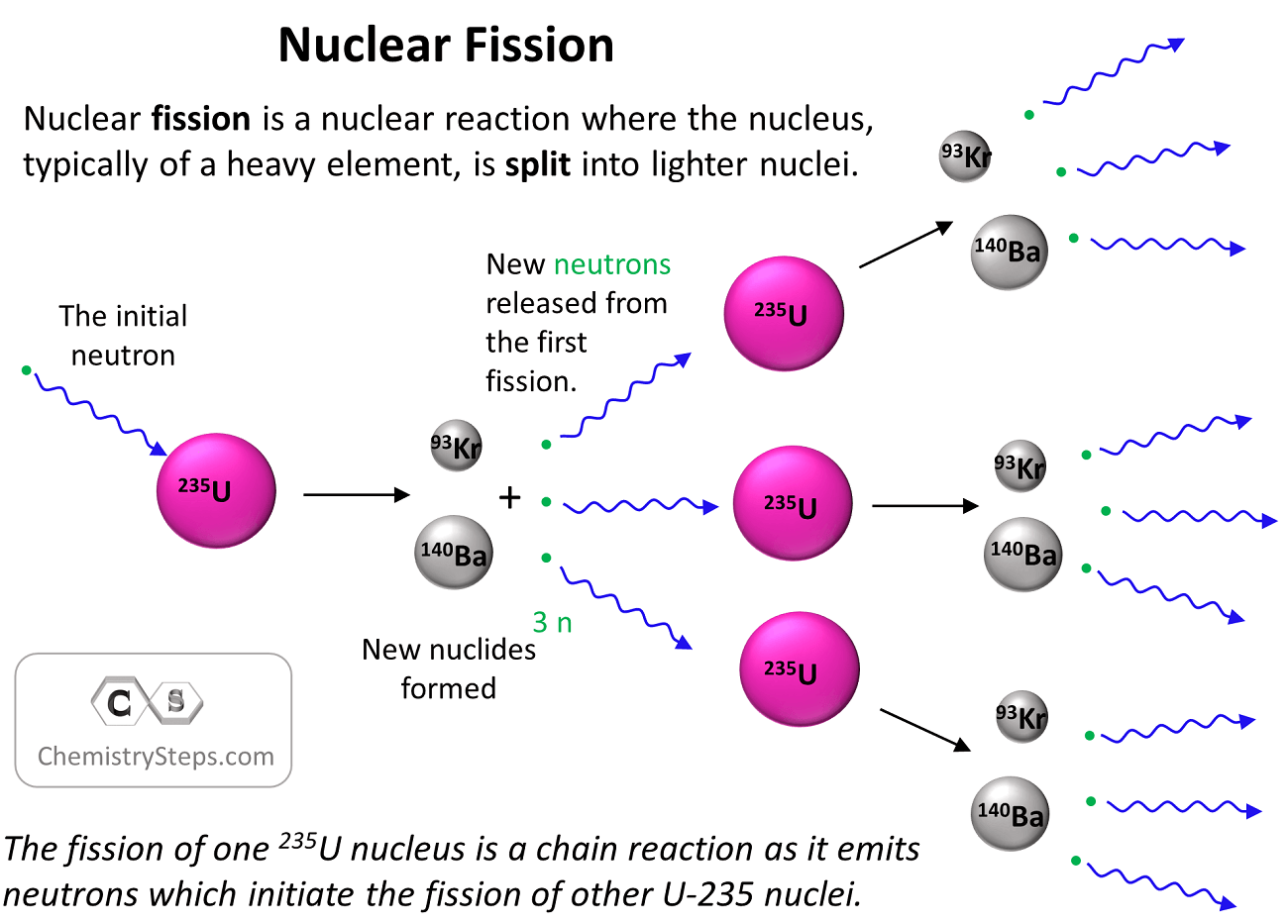
Think of it like this: You're at a party, and someone throws a bowling ball at a carefully constructed tower of Jenga blocks. KA-POW! Blocks everywhere! That bowling ball is like a neutron, which is used to initiate the splitting of the heavy atom. The breaking of the blocks (the splitting of the atom) releases energy... and maybe some startled party guests.
Must Read
Now, where do we see this in real life? Nuclear power plants! They use controlled fission to generate heat, which boils water, which turns turbines, which make electricity. It's like a really, really complicated kettle... that could potentially cause a major mess if things go wrong (cue dramatic music and flashback to Chernobyl). Luckily, modern plants have many safety measures to prevent meltdowns. Still, fission is a controlled chain reaction. Each split releases more neutrons, which can split more atoms, and so on. It's crucial to keep that chain in check – you don't want your Jenga tower explosion to level the entire building!
Nuclear Fusion: The "Smush It Together" Fiesta
Okay, forget the Lego castle. Now you have two Play-Doh balls. Small ones. And you decide, "Hey, let's squish these together and make one bigger Play-Doh ball!" That's basically fusion. We're taking small, light atoms (usually isotopes of hydrogen) and forcing them together to create a heavier atom (like helium). This releases TONS of energy.
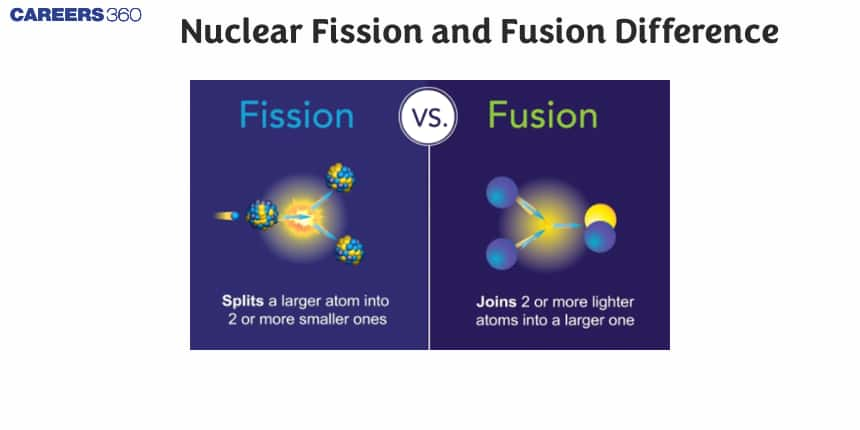
Think of it like this: You're trying to get two magnets to stick together, but they're facing the wrong way! You have to push really, really hard to overcome the repulsion. That 'really, really hard' part is crucial. Fusion requires incredibly high temperatures and pressures – like the core of the sun! (Which, incidentally, is where fusion happens naturally).
Ever wonder where the sun gets its power? Fusion! It's constantly smashing hydrogen atoms together to make helium, and in the process, radiating light and heat that warms our planet (and gives us sunburns). It's the ultimate sustainable energy source... if we can figure out how to replicate it on Earth.
Scientists are working on it! Imagine a world powered by fusion: clean, almost limitless energy. No more fossil fuels, no more worrying about running out of juice. It's the holy grail of energy production. But replicating the conditions inside the sun is, shall we say, a tad challenging. They're building machines like tokamaks, which use powerful magnetic fields to contain superheated plasma (that's the state of matter where atoms are stripped of their electrons – it's hotter than your ex's revenge).
Fission vs. Fusion: The Ultimate Showdown
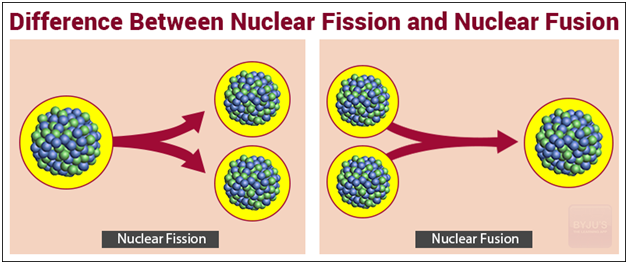
So, to recap: Fission is breaking things apart. Fusion is smashing things together. Fission is like carefully dismantling a bomb. Fusion is like detonating a supernova (in a good way, hopefully). Fission is happening in nuclear power plants now. Fusion is the dream of the future.
Both are powerful, both are nuclear, but they're fundamentally different processes. And while they sound complicated, hopefully, now you have a basic understanding that won't make your head explode (unlike an uncontrolled fission reaction!).