Example Of Microservices In Java
Ever feel like your favorite website is a well-oiled machine, effortlessly handling millions of users simultaneously? Or that your streaming service knows exactly what you want to watch next? A big part of that seamless experience, especially behind the scenes, is often thanks to a powerful architectural approach called microservices. It's like the Avengers of software development, where each hero (or in this case, service) has their own special skill and works together to save the day (or in this case, deliver a fantastic user experience).
So, what exactly are microservices? Imagine a traditional monolithic application, a giant, single piece of software. If one part of that monolith breaks, the entire application can grind to a halt. Microservices, on the other hand, break down that giant application into smaller, independent services, each responsible for a specific task. Think of it like a restaurant kitchen: one station prepares salads, another grills meat, and yet another bakes bread. If the bread oven breaks down, the rest of the kitchen can still function. This is the core benefit of microservices: increased resilience and scalability.
The benefits extend far beyond just preventing crashes. Microservices allow teams to work independently, using different technologies and programming languages for each service. This flexibility fosters innovation and allows developers to choose the best tool for the job. Updates and deployments become less risky because changes to one microservice don't affect the others. This means faster iteration cycles and quicker delivery of new features to you, the end-user.
Must Read
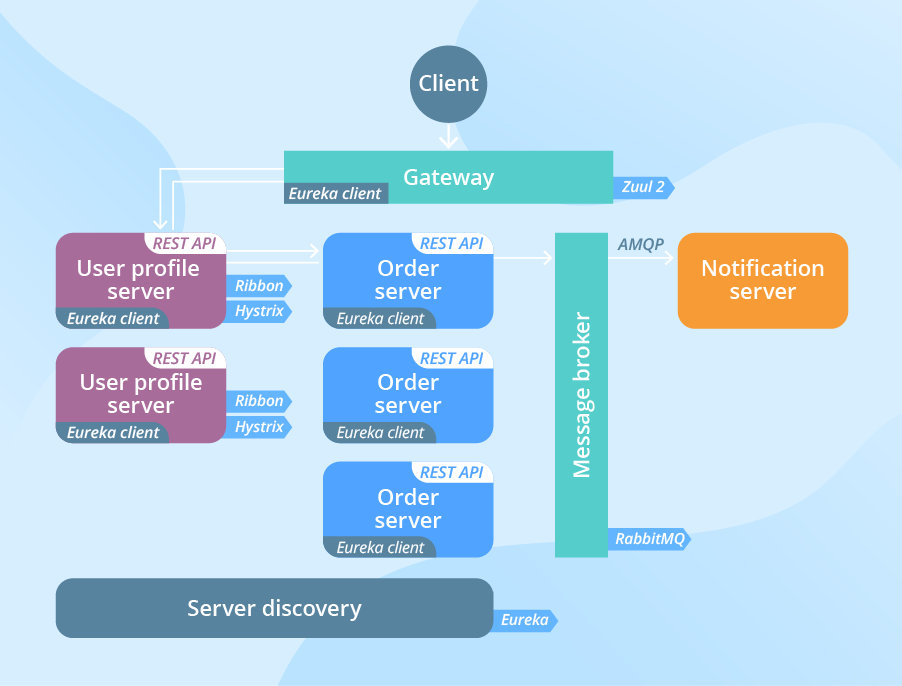
Java plays a prominent role in the world of microservices. Its maturity, extensive libraries, and robust frameworks make it an ideal choice for building these distributed systems. Think about your online banking application. Behind the scenes, you might have microservices handling account management, transaction processing, fraud detection, and customer support, all potentially built using Java frameworks like Spring Boot and Micronaut. E-commerce platforms, social media networks, and even your favorite food delivery app all likely leverage microservices to manage their complex operations. Java's strong ecosystem allows developers to build, deploy, and manage these microservices effectively.

So how can you, as a consumer, appreciate the power of microservices even more? While you don't directly interact with the code, understanding the principles behind them can give you a new perspective on the technology you use every day. Notice how quickly websites respond to your actions? That’s likely thanks to the scalability of microservices. Appreciate the smooth and seamless updates you receive on your phone? That's probably due to the independent deployability of microservices.
To truly appreciate the impact, consider the alternative. Imagine the frustration of a website constantly crashing or taking forever to load. Microservices are designed to prevent exactly that. So, the next time you're enjoying a smooth online experience, take a moment to appreciate the invisible architecture that's working hard behind the scenes, and perhaps even raise a toast (or a cup of coffee) to the often unsung heroes of the digital world – microservices developers using Java and other amazing technologies.