
Ethylene Oxide Industry Capacity And Capex

Ever wonder how your veggies stay relatively fresh on the shelves? Or how that squishy foam in your mattress manages to be so… squishy? Well, buckle up, buttercup, because we're diving (relatively painlessly, I promise!) into the world of Ethylene Oxide (EO) and its capacity & capex. It's not as scary as it sounds, think of it as understanding the logistics of your favorite snacks and comforts!
First off, what is Ethylene Oxide? Imagine it as the unsung hero, a chemical middleman that helps create a whole bunch of things we use every single day. It’s not glamorous, but it’s essential. Think of it like yeast in bread – you don't see it in the final product, but without it, you'd just have a sad, flat cracker.
Ethylene Oxide Industry Capacity: A Matter of Supply and Demand (and a Little Bit of Guesswork)
Industry capacity, in this case, is all about how much EO can actually be produced in the world. It’s like the size of all the pizza ovens in all the pizza shops, combined. And, just like pizza, if demand suddenly spikes (everyone wants Hawaiian pizza, for some reason), then the ovens need to be big enough to meet that craving.
Must Read
The capacity is driven by… you guessed it… demand. More demand for those squishy mattresses, more demand for EO. Predicting this demand is a constant game. It's like trying to predict what TikTok trend will be hot next week – everyone's got an opinion, but no one really knows for sure.
There are various factors influencing the demand. Population growth is a big one - more people, more stuff. Economic growth also plays a role. As countries become wealthier, they consume more goods and services that rely on EO.
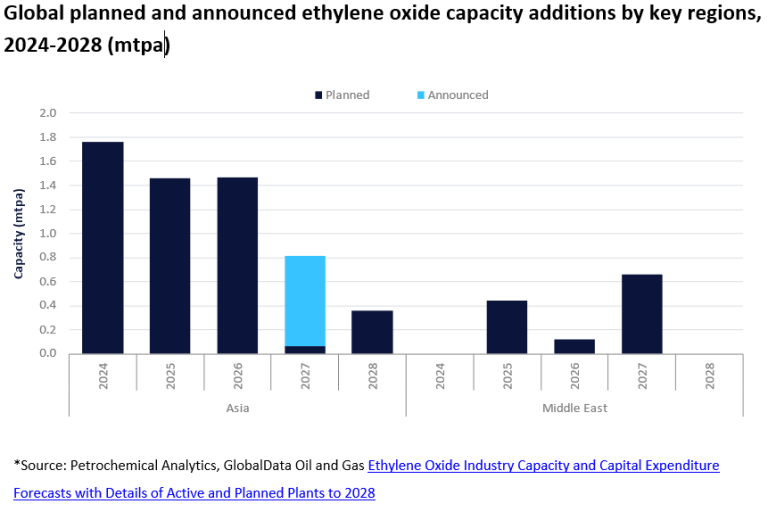
Capex: Spending Money to Make Money (Or, Sometimes, Just to Stay Afloat)
Capex, or Capital Expenditure, refers to the money companies are spending to build new EO plants, or expand or upgrade existing ones. Think of it as buying a new pizza oven, or even building a whole new pizzeria! It's a big investment, and companies don't make these decisions lightly.
Why spend all that money? Well, maybe they think the demand for pizza…err, EO…is going to skyrocket. Or maybe their old pizza oven…err, EO plant…is on its last legs and needs replacing. Or, maybe, they want to have the fanciest, shiniest pizza place…err, EO plant… on the block!
A new plant is a significant undertaking. It's a multi-year project involving engineering, construction, and regulatory approvals. It can also be influenced by political and economic factors.

Investment decisions are never straightforward. Companies weigh the potential risks and rewards, consider market forecasts, and assess the availability of financing. It's a high-stakes game, and the decisions made today will shape the industry for years to come.
Connecting the Dots: Why Should You Care?
Okay, so maybe you're not planning on building your own EO plant anytime soon. But understanding the industry capacity and capex can give you some insight into the overall health of the economy. It's a bellwether, indicating trends in various downstream industries. For example, if companies are investing heavily in EO production, it suggests optimism about the future demand for plastics, detergents, and other EO-derived products.

Plus, it affects the price of those everyday items! If there's not enough EO to go around, the price of everything that uses it will likely go up. So, indirectly, you're paying attention to your wallet.
And ultimately, it comes back to the things you use every day, from the packaging that keeps your food fresh to the clothes on your back. So the next time you reach for that perfectly preserved bell pepper, or sink into that incredibly squishy mattress, remember the unsung hero, ethylene oxide, and the complex dance of capacity and capex that makes it all possible.
It’s a bit like realizing your favorite song is built on some seriously complicated music theory. You don’t need to know the theory to enjoy the tune, but it’s cool to understand a little bit about what makes it tick, right?
