
Equity Trust Company Self Directed Ira

Hey friend! Wanna hear something kinda wild? It involves retirement, but like, not the boring kind. We're talking about Self-Directed IRAs with Equity Trust Company. Sounds intimidating, right? Nah. Stay with me.
Think of your typical IRA. Stocks, bonds, mutual funds...yawn. Safe, sure. Exciting? About as thrilling as watching paint dry. But what if your IRA could be… different?
That’s where Equity Trust Company comes in. They're like the quirky uncle of the retirement account world. They let you hold all sorts of weird and wonderful assets in your IRA. Seriously.
Must Read
Okay, Spill the Tea: What Can You REALLY Hold?
Ready for this? We’re not just talking about owning a piece of Apple. We're talking about owning, like, a whole apple orchard. Or a rental property. Or a gold mine (literally!).
Yep, Self-Directed IRAs allow you to invest in things like real estate, precious metals, private equity, tax liens, and even cryptocurrency (be careful with that one!). It’s basically turning your IRA into a personal investment playground. And Equity Trust Company is the sandbox.
Imagine telling your grandkids you funded their college with profits from your tax lien investment! Way cooler than saying "I had a diversified portfolio of index funds," right?

Now, before you go emptying your bank account and buying a vintage race car with your IRA (yes, technically possible!), there are a few things to keep in mind.
The Not-So-Sexy (But Important) Stuff
Self-Directed IRAs aren’t exactly “set it and forget it.” You’re in the driver's seat. That means you’re responsible for due diligence. You gotta do your homework! Equity Trust Company just holds the assets; they don’t provide investment advice.
There are also IRS rules to follow. You can't, for example, live in the vacation home your IRA owns. That’s a big no-no. And you can't personally benefit from the IRA's assets. No borrowing money from it, either. Think of it like a trust fund you can't touch until you're old(er).

These rules are there to prevent you from taking advantage of the tax benefits. The IRS doesn’t want you double-dipping! (Unless it's dipping chips in salsa. That's perfectly fine.)
Equity Trust Company helps you navigate these rules, acting as the custodian for your assets and ensuring everything stays within the legal lines.
So, Why Bother? Is This Even For Me?
Good question! Self-Directed IRAs aren't for everyone. They're best suited for people who are:
- Knowledgeable: About alternative investments.
- Risk-tolerant: You're okay with the potential for losses.
- Hands-on: You enjoy actively managing your investments.
- Tired of the same old boring options: Let’s be honest, some of us just want to try something new!
If you're comfortable with traditional investments and prefer a hands-off approach, stick with what you know. But if you're looking for more control and potentially higher returns (along with higher risks), a Self-Directed IRA might be worth exploring.
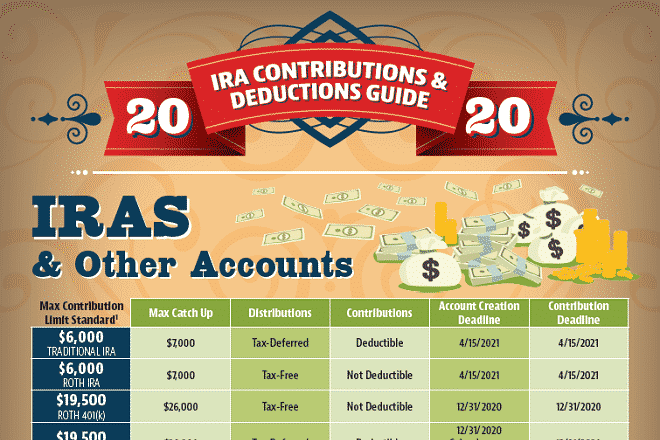
Fun Facts (Because Why Not?)
Did you know people have used Self-Directed IRAs to invest in things like: comic books, livestock (imagine explaining THAT to your accountant!), and even movie rights?
The possibilities are pretty endless! And while you might not be buying a herd of cows anytime soon, it’s nice to know the option is there.
Okay, I’m Intrigued. What’s Next?
Do your research! Seriously, DO YOUR RESEARCH! Talk to a financial advisor. Read up on Self-Directed IRAs and Equity Trust Company. Understand the risks and rewards.

Equity Trust Company's website is a good place to start. They have tons of information about their services and the types of assets you can hold.
Don't rush into anything. Retirement planning is a marathon, not a sprint. But hey, at least you can make it a slightly more interesting marathon with the potential to hold something unexpected like a piece of a startup that makes dog sweaters.
Just remember, with great freedom comes great responsibility. So, go forth and invest wisely (and maybe a little bit wildly!).
Disclaimer: I'm just a friendly voice on the internet, not a financial advisor. This isn't financial advice. Please consult with a professional before making any investment decisions.