
Environmental Hazards Of Nuclear Power Plants
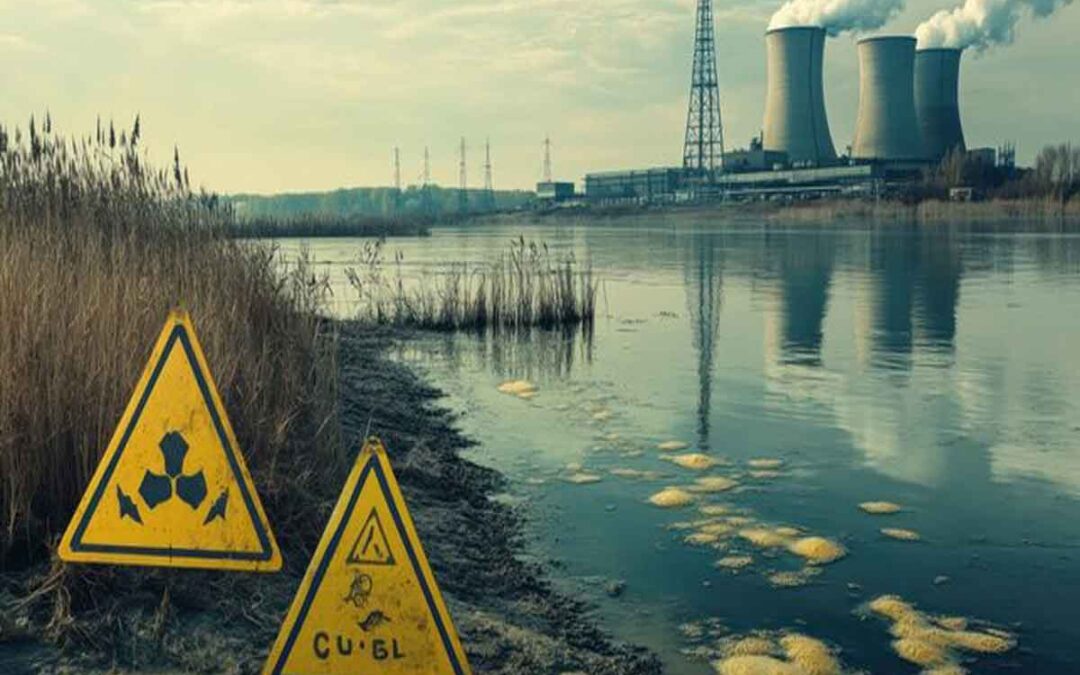
Ever thought about the environmental impact of nuclear power? It's a topic that's both fascinating and a little… well, let's just say "exciting" to explore. Think of it as a real-world thriller, with a cast of elements like uranium, radiation, and the occasional towering cooling tower.
So, what's the buzz about nuclear power plants and the environment? Let’s dive into it, shall we? Prepare for some potentially surprising twists and turns.
The Core of the Matter: Uranium Mining
It all starts with uranium, the fuel that powers these plants. Getting this stuff out of the ground? It's a bit of an adventure in itself. Imagine massive open-pit mines or intricate underground tunnels.
Must Read
Mining uranium can cause some environmental commotion. It disrupts ecosystems and can release harmful substances into the air and water. It’s like kicking up a dust storm, but with radioactive particles!
There's also the issue of mine tailings. These are the leftover materials after the uranium is extracted. And guess what? They're still radioactive. Keeping these tailings contained is key.
The Radioactive Elephant in the Room: Waste Disposal
Okay, let's talk about the big one: nuclear waste. Once uranium has done its job in the reactor, it becomes spent fuel. This stuff is seriously radioactive and sticks around for a very, very long time.
Think thousands of years. Yikes! So, how do we deal with it? Currently, much of it is stored in special pools or dry casks at the power plants themselves.
Finding a permanent disposal solution is like searching for the Holy Grail. Scientists are exploring deep geological repositories. The idea is to bury the waste far underground in stable rock formations.
Yucca Mountain: A Case Study
Remember Yucca Mountain? It was supposed to be the United States' permanent nuclear waste repository. The project faced a lot of opposition, and was ultimately shelved.
The main concern? Ensuring the waste wouldn't contaminate groundwater over thousands of years. It's a real head-scratcher, isn't it? The challenge shows just how tricky nuclear waste disposal can be.
The environmental justice issues are real, too. No one wants a nuclear waste dump in their backyard. These are complex issues with no easy answers.
Accidents Happen: When Things Go Wrong
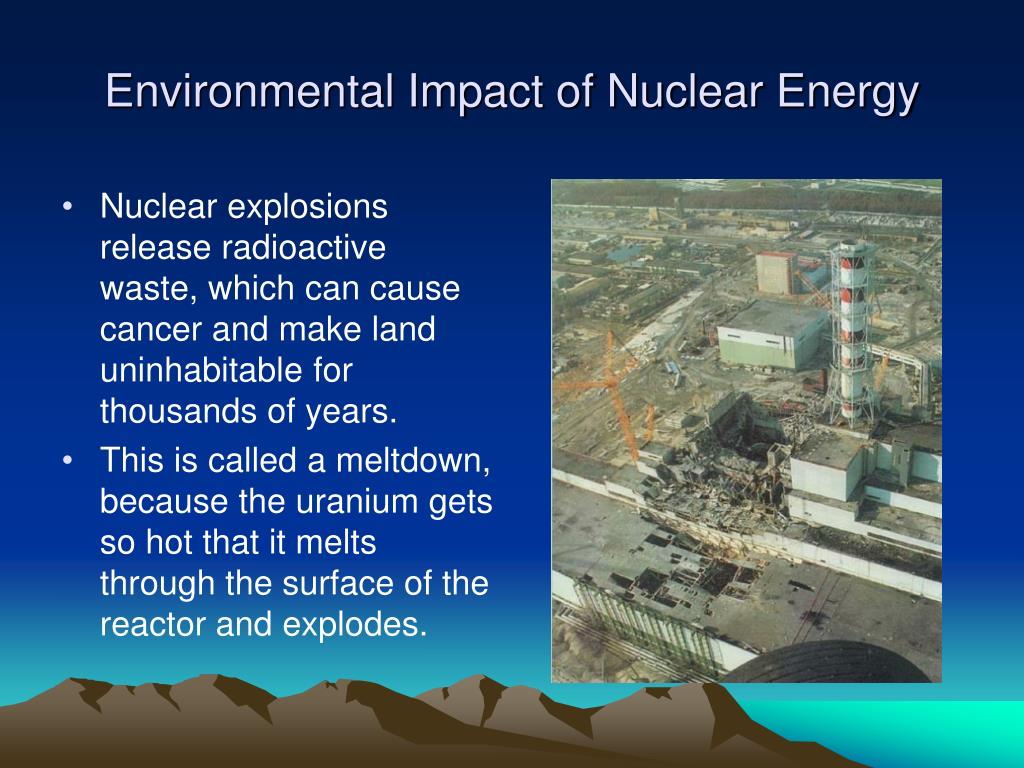
Let's be honest, the possibility of a nuclear accident is what keeps many people up at night. Chernobyl and Fukushima are names that still send shivers down spines.
These were catastrophic events that released significant amounts of radiation into the environment. The consequences were devastating, affecting human health and the surrounding ecosystems.
But here's the thing: nuclear power plants have learned a lot from these disasters. Safety measures have been significantly strengthened. Think of it as constant improvement.
Meltdowns and Mitigation
The nightmare scenario is a reactor meltdown. This happens when the reactor core overheats, potentially leading to a breach of containment.
Modern reactors have multiple layers of safety systems to prevent meltdowns. These include emergency cooling systems and robust containment structures.
Engineers are always working on new and improved safety features. It's a constant race to stay ahead of potential risks.

Thermal Pollution: A Hot Topic
Nuclear power plants need to cool down. They often use water from nearby rivers, lakes, or oceans for this purpose.
The water is then returned, but it's warmer than it was before. This is called thermal pollution, and it can have negative impacts on aquatic life.
Warmer water can hold less oxygen, which can harm fish and other organisms. It can also disrupt ecosystems by favoring some species over others. No one wants to disrupt the environment, right?
Cooling Towers: The Iconic Structures
Those giant, hourglass-shaped structures you often see at nuclear plants? Those are cooling towers.
They help to dissipate heat into the atmosphere, reducing the amount of heated water released into waterways. They're like giant radiators for power plants.
The evaporated water can sometimes form visible plumes of steam. These plumes are mostly harmless, but they can contribute to local fog or cloud cover.
The Upsides: Why Nuclear Still Has Fans
Okay, so we've covered some of the potential downsides. But nuclear power also has some significant advantages. Let's consider them.

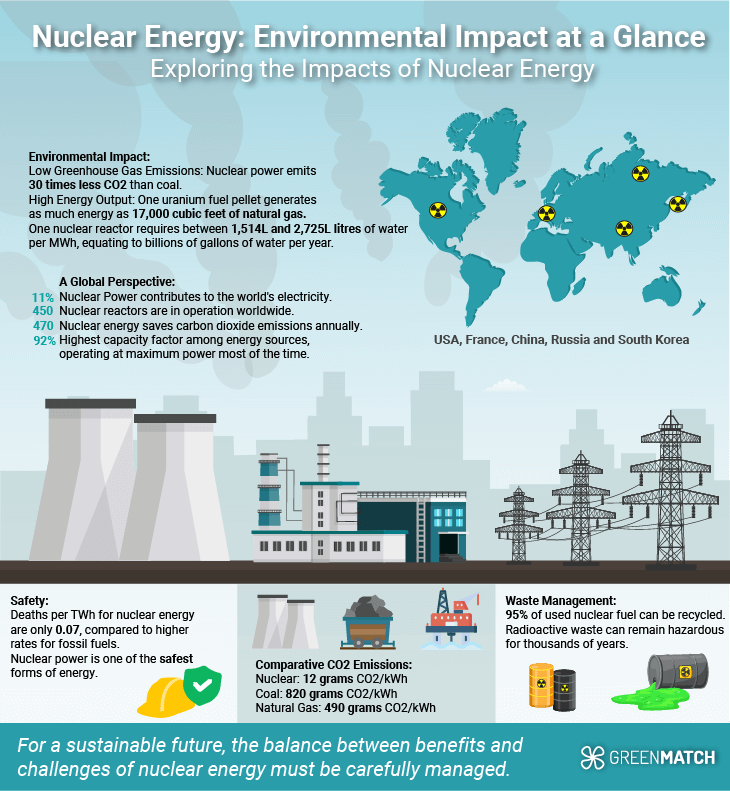
It's a low-carbon energy source. Unlike fossil fuels, nuclear power doesn't release greenhouse gases into the atmosphere during operation. This makes it a potential tool in the fight against climate change.
Nuclear power is also very energy-dense. A small amount of uranium can produce a lot of electricity. It’s like a super-efficient energy machine.
Reliability and Base Load Power
Nuclear power plants can operate around the clock, regardless of the weather. They provide a reliable source of base load power, meaning they can consistently meet electricity demand.
This is in contrast to some renewable energy sources, like solar and wind, which are intermittent. Nuclear can keep the lights on, rain or shine.
This reliability is a major selling point for nuclear power. It helps to ensure a stable and secure energy supply.
New Technologies: The Future of Nuclear
The nuclear industry isn't standing still. Scientists and engineers are constantly working on new reactor designs and technologies.
These include small modular reactors (SMRs), which are smaller, more flexible, and potentially safer than traditional reactors. They're like the compact cars of the nuclear world.
There's also research into advanced reactor designs that use different fuels and coolants. These reactors could be more efficient and produce less waste.
Thorium Reactors: A Promising Alternative
Thorium reactors are another area of active research. Thorium is more abundant than uranium, and thorium reactors could potentially produce less long-lived radioactive waste.
They're still in the early stages of development, but thorium reactors hold a lot of promise. They could be a game-changer for the nuclear industry.
It's an exciting time for nuclear innovation. Who knows what the future holds?
The Balancing Act: Weighing the Pros and Cons
So, is nuclear power good or bad for the environment? It's not a simple question to answer. It’s a balancing act.
It has the potential to reduce carbon emissions and provide reliable energy. But it also poses risks related to waste disposal and accidents.
Ultimately, the decision of whether or not to use nuclear power involves weighing these pros and cons. It's a complex issue with no easy answers.
Hopefully, this exploration has piqued your curiosity and maybe even inspired you to do a little digging of your own. The world of nuclear power is full of fascinating science and important environmental considerations. Go forth and explore!