Environmental Hazards In The Workplace

Ever thought about the air you breathe or the surfaces you touch during your workday? It might not sound like a party topic, but understanding environmental hazards in the workplace is actually incredibly empowering and super useful for everyone! We spend a huge chunk of our lives at work, so making sure that environment is safe and healthy isn't just about following rules; it's about taking care of you. It's becoming increasingly popular because people are more aware than ever that their everyday surroundings deeply impact their well-being, energy levels, and long-term health. Think of it as gaining a superpower to spot potential trouble before it becomes a problem!
This isn't just for safety inspectors or factory workers. For beginners, it's a fantastic introduction to being mindful of your surroundings, whether you're in an office, a retail store, or even a home-based setup. You'll learn to identify common issues that might otherwise go unnoticed. For families, this knowledge is invaluable. Parents can apply these principles to home chores or DIY projects, ensuring a safer environment for everyone and teaching children important safety habits. And for the hobbyists – say, someone who loves woodworking in their garage or crafting with various materials – understanding proper ventilation, dust control, and chemical handling means turning your passion into a healthy, sustainable pursuit, not a health risk. It’s about creating better, safer spaces for everyone, everywhere.
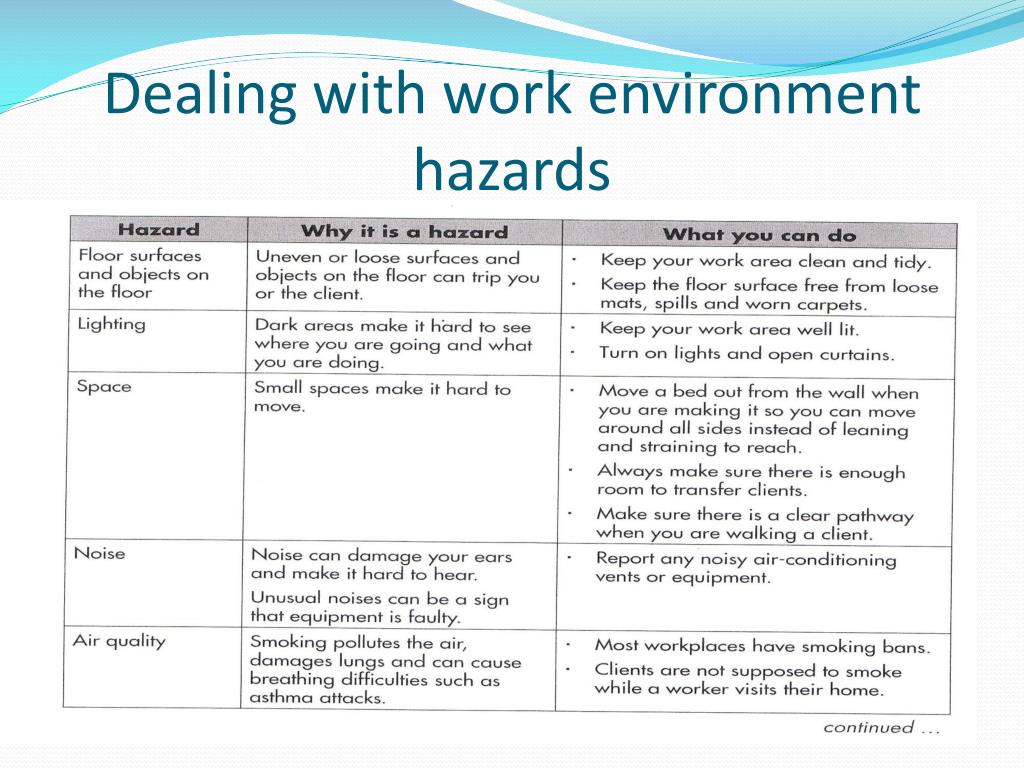
So, what kind of hazards are we talking about? They're often things we encounter daily but might not fully appreciate the impact of. Think about poor indoor air quality – maybe from inadequate ventilation, dust build-up, or even emissions from office equipment or cleaning products. Then there are chemical exposures, from the solvents used in a workshop to the fumes from a freshly painted wall. Don't forget noise pollution, which can be a constant hum from machinery or persistent loud conversations, leading to stress or hearing damage over time. Even extreme temperatures, either too hot or too cold, can be environmental hazards affecting your concentration and health. Other subtle ones include biological hazards like mold or bacteria in shared spaces, often due to moisture or poor hygiene practices.
Must Read
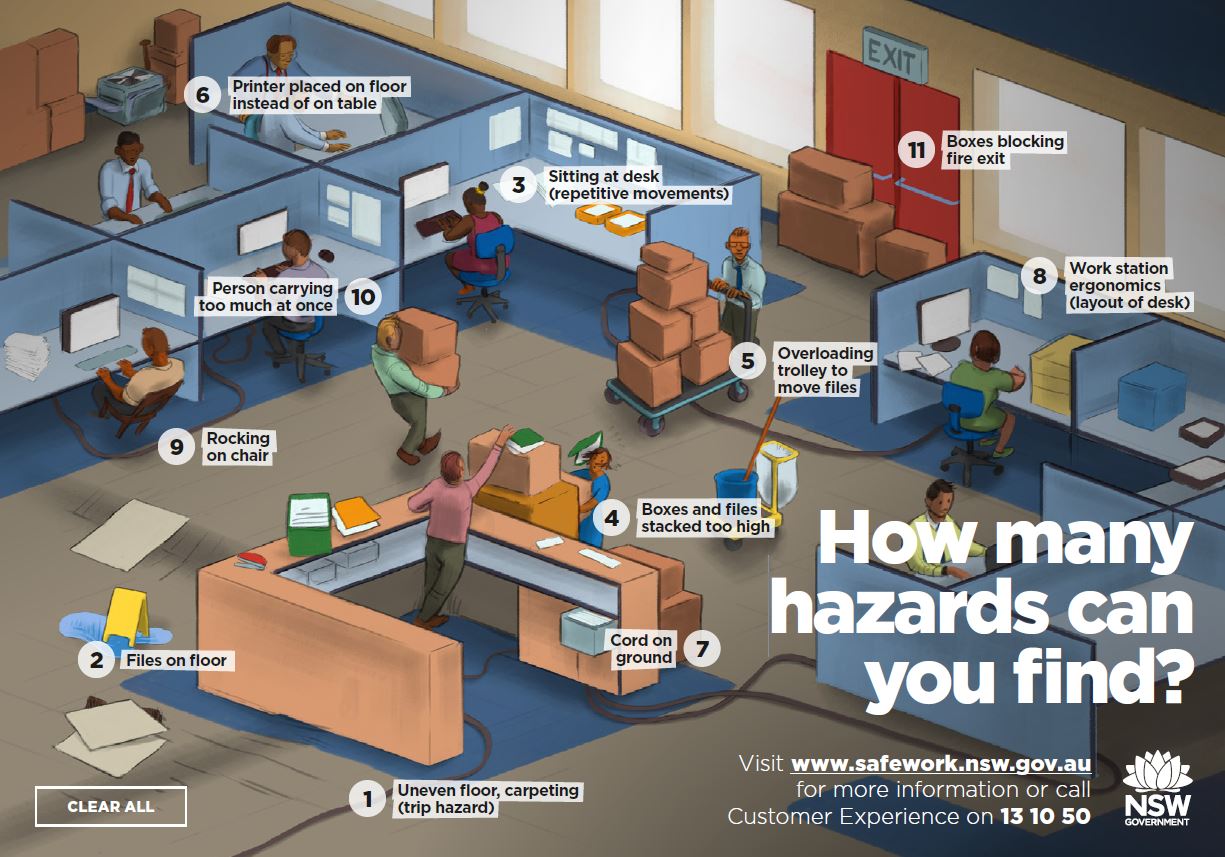
Ready to start making your workplace safer? It's easier than you think! First, simply look and listen. What do you see, smell, or hear that seems off? Is there a strange odor? Is the air stuffy? Is a machine making an unusual noise? Second, read labels – whether it's the Material Safety Data Sheets (MSDS) provided for chemicals at your job, or just the warning labels on cleaning products at home. Third, don't be afraid to ask questions. If something concerns you, speak to your supervisor, a safety officer, or your HR department. They are there to help! Finally, practice good housekeeping: keep your workspace tidy, ensure ventilation is clear, and report any spills or equipment malfunctions promptly. Small actions can make a big difference.
Embracing awareness about environmental hazards in the workplace isn't about fear; it's about empowerment. It's about having the knowledge to create a healthier, more comfortable, and ultimately more enjoyable place to spend your working hours. Knowing what to look for and how to act can significantly boost your peace of mind and overall well-being. So, go forth and make your environment work for you!