Electricity Providers For My Location
Alright, let's talk about something we all use every single day, often without a second thought: electricity. It powers our morning coffee, keeps our phones charged, and fuels those late-night streaming binges. But have you ever really stopped to think about who's actually supplying that magic to your home?
In many places, including where I'm sitting right now (let's call it 'our neck of the woods'), picking an electricity provider isn't just a default — it's a choice. And frankly, it's a choice worth making consciously, much like picking your favorite brand of oat milk or deciding which podcast to binge next.
Why Bother Choosing? It's All the Same Electricity, Right?
That's a common misconception! While the electrons flowing into your home are indeed the same (they don't care who sent them!), the company you choose makes a huge difference in your wallet, your environmental footprint, and even your peace of mind. Think of it like this: the roads are the same for every car, but choosing your car brand impacts your experience, fuel efficiency, and features.
Must Read
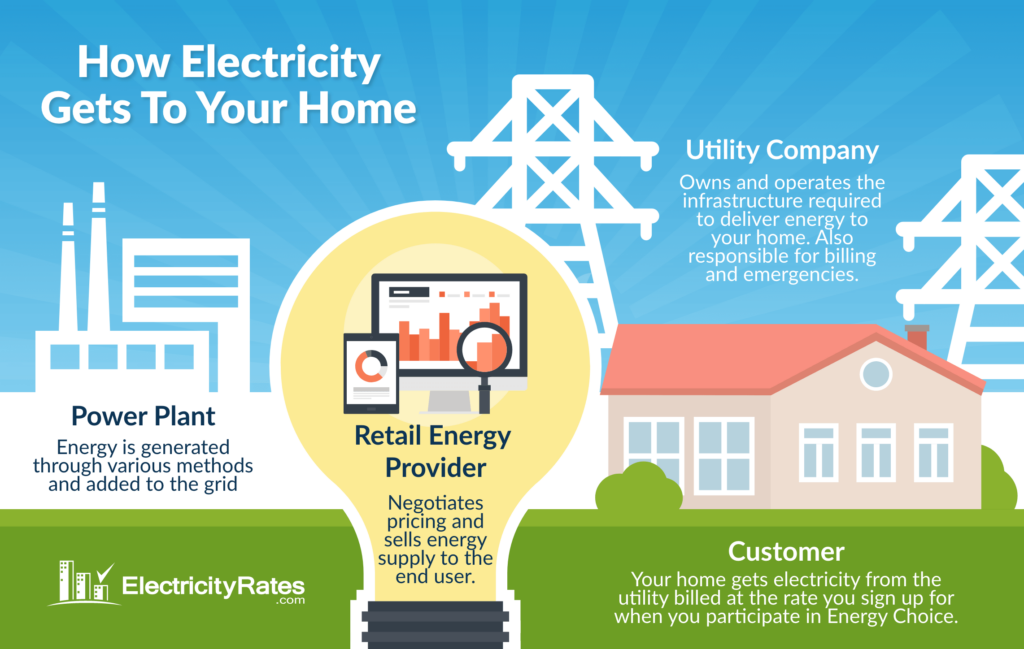
In a deregulated energy market, there's often a separation between the company that owns the poles and wires (the "delivery utility" or "TDU") and the company that actually sells you the electricity (the "retail electricity provider" or "REP"). The TDU keeps the lights on and fixes outages, while the REP sets your rates and handles billing. It's a bit like your local internet provider owning the cables, but you choose your favorite streaming service.
Navigating the Options: Your Inner Energy Detective
So, how do you even begin to untangle the web of options? Don't worry, it's not as complex as deciphering ancient hieroglyphs. Here’s your game plan:
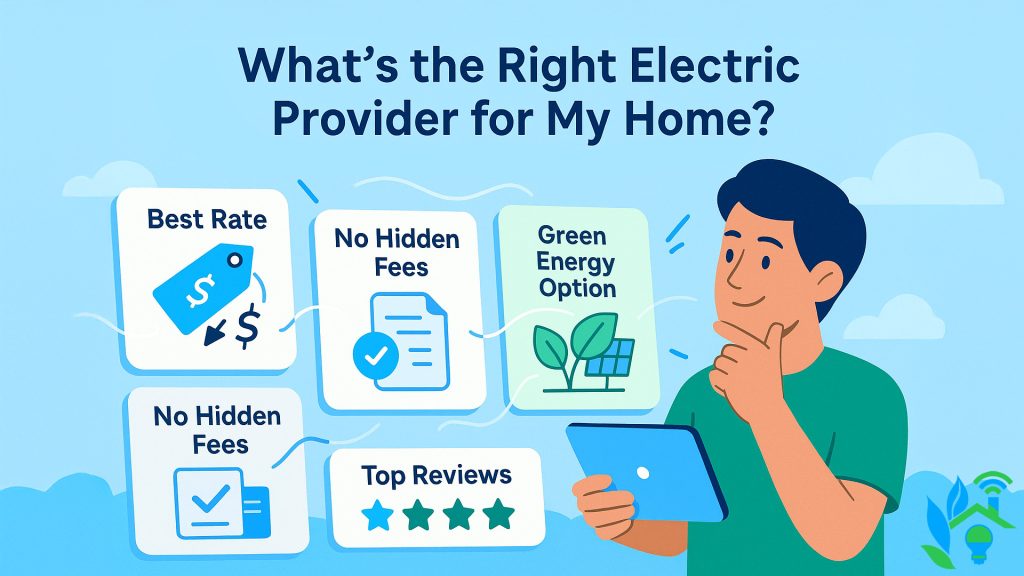
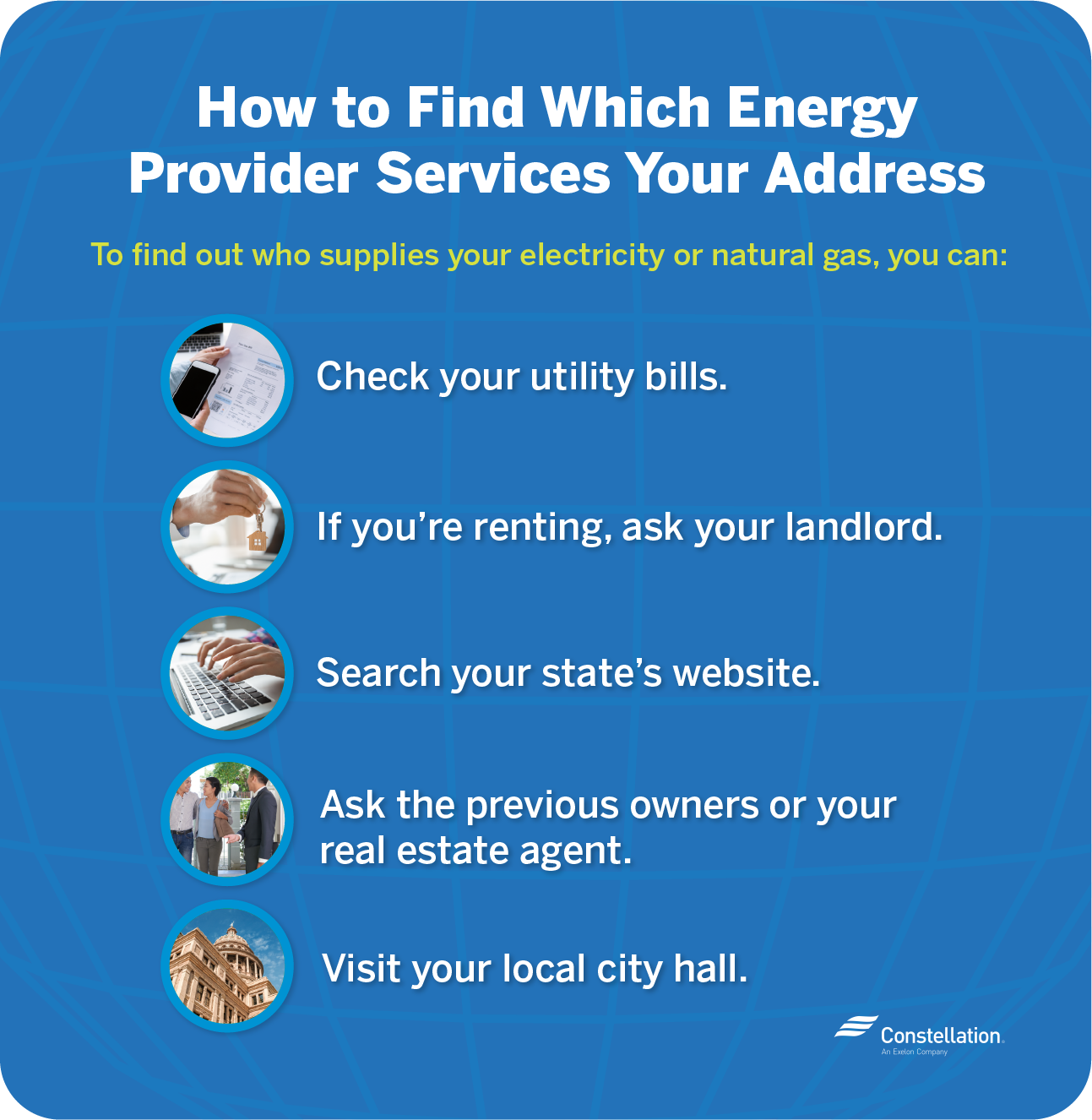
1. Identify Your Local Players: A quick online search for "electricity providers [your city/state]" or checking your existing bill will usually show you who's operating in your area. Websites dedicated to comparing energy plans (often run by the state's public utility commission or independent aggregators) are your best friends here.
2. Know Your Usage: Grab a recent electricity bill. See your average monthly kilowatt-hour (kWh) usage. This number is crucial because many plans are structured differently based on how much power you consume. For instance, a plan might look cheap at 500 kWh but get pricey if you hit 2000 kWh.
Fun Fact: The term "kilowatt-hour" was coined by a Hungarian electrical engineer named Károly Zipernowsky in the late 19th century. Bet he didn't imagine us using it to compare Netflix bills!
What to Look For in a Plan: Your Checklist
When you're sifting through plans, keep these key points in mind:
- Rates: Are they fixed or variable? Fixed-rate plans offer price stability, great for budgeting. Variable rates can go up or down with the market, potentially saving you money but also carrying more risk.
- Contract Length: Are you signing up for 3 months, 12 months, or 24 months? Longer contracts might offer better rates but come with early termination fees if you switch.
- Renewable Energy Options: Want to go green? Many providers offer plans sourced partly or entirely from renewable energy (solar, wind). Look for labels like "100% Green Energy" or "Renewable Energy Credits (RECs)". It's a fantastic way to support sustainability from your sofa!
- Fees & Charges: Beyond the kWh rate, check for monthly service charges, base charges, or any hidden fees. Transparency is key!
- Customer Service & Reviews: A good deal isn't just about price. Check online reviews (Yelp, Google, or even state utility commission complaint forums) to gauge customer satisfaction. A provider with great support can save you headaches down the line.
- Sign-Up Bonuses: Some providers offer incentives like bill credits, smart thermostats, or gift cards. Sweeten the deal if you can!
Cultural Nudge: In some European countries, comparing energy providers is as common as comparing phone plans. It's a normal part of being a savvy consumer, and we're seeing that trend grow here too!
Beyond the Provider: Smart Energy Habits
Even with the best provider, your energy habits play a huge role. Simple actions can lead to big savings and a lighter environmental touch:
- Unplug "Energy Vampires": Those chargers and appliances drawing power even when not in use? Unplug them!
- Embrace Natural Light: Open those blinds! Maximize daylight hours.
- Smart Thermostat: Invest in a smart thermostat that learns your routine and optimizes heating/cooling.
- LED Everything: If you haven't switched to LEDs yet, now's the time. They use a fraction of the power and last ages.
Choosing an electricity provider might feel like a chore, but it’s actually an empowering step towards taking control of your household budget and supporting the kind of energy future you believe in. It’s about more than just keeping the lights on; it’s about making an informed decision for your home and the planet. So go forth, compare, and feel good about the power flowing into your life!